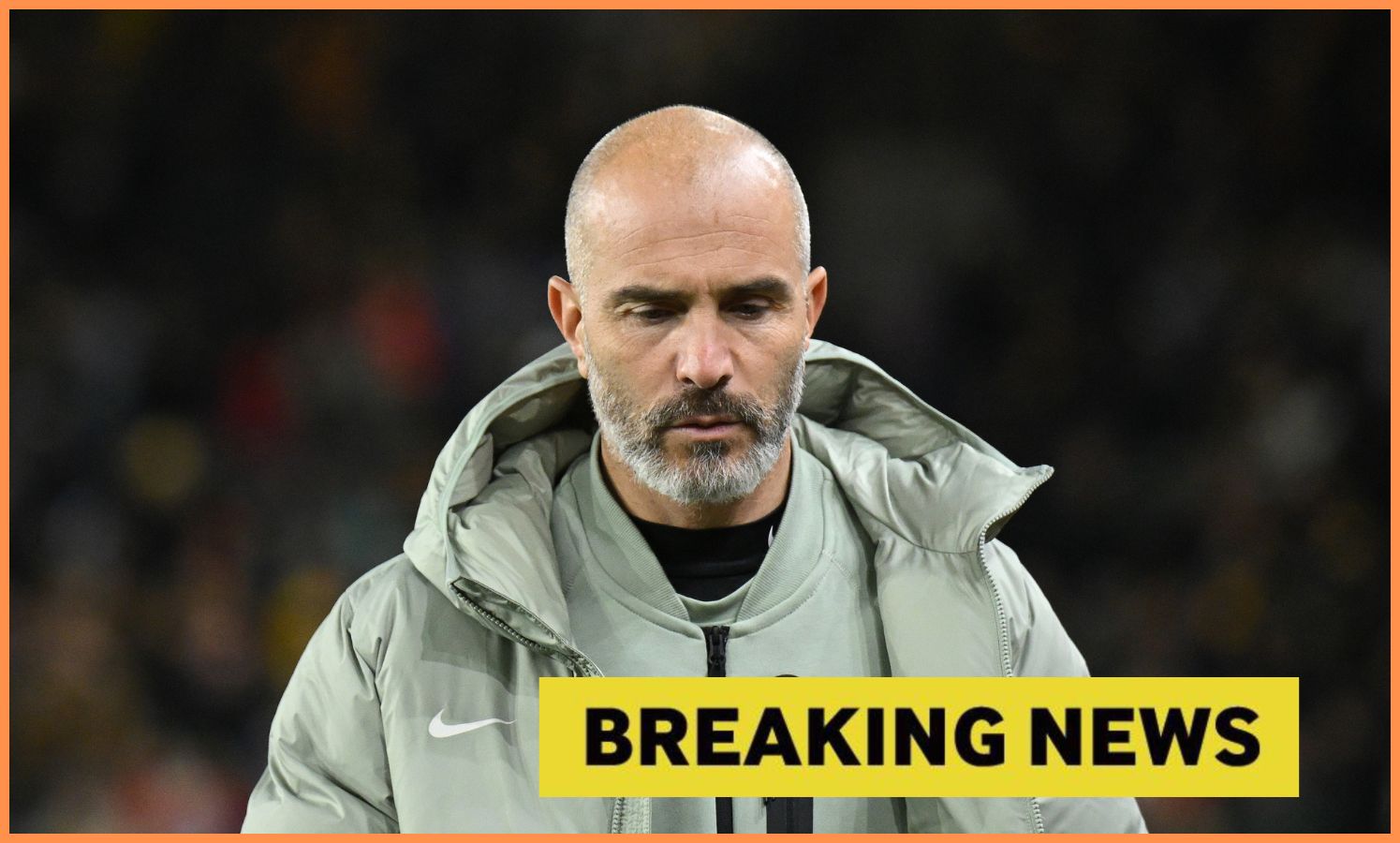
A palpable tension is gripping the corridors of Stamford Bridge. Whispers of frustration, bordering on disbelief, are swirling amongst players, coaches, and key figures within the club, all focused on the tactical direction of manager Enzo Maresca.
The core of the discontent lies in a stark contrast between the training ground and the pitch. Week after week, Chelsea meticulously drills a possession-based system – a sophisticated, ‘tiki-taka’ style reminiscent of Maresca’s successful tenures at Leicester City and under Pep Guardiola.
Yet, when the lights come on and the stakes rise, that carefully constructed identity seems to dissolve. Instead of controlled dominance, the team devolves into a frantic, end-to-end game, lacking the structure and composure Maresca demands.

This tactical inconsistency reached a breaking point with a recent 2-1 defeat against Atalanta in the Champions League, extending a worrying winless streak to four matches. The performance exposed defensive vulnerabilities and a troubling lack of attacking cohesion.
Chelsea’s recent form paints a concerning picture. A brief surge of optimism, fueled by a 3-0 victory over Barcelona, has quickly faded, replaced by draws against Arsenal and Bournemouth, and a defeat to Leeds United.
Players are reportedly struggling with the constant shifts in approach, particularly during transitions. Uncertainty reigns – should they aggressively press, or cautiously retreat? This confusion is hindering their ability to execute a cohesive game plan.

The weight of expectation, coupled with the substantial investment in assembling a star-studded squad, is amplifying the pressure. Patience within the Chelsea hierarchy, once seemingly boundless, is now demonstrably wearing thin.
The question now isn’t simply about results, but about whether Maresca’s vision is effectively translating to the players, and whether a clear, consistent tactical identity can be forged before the season slips away.