A cascade of sealed records from the Jeffrey Epstein case is about to be unleashed, following a judge’s ruling that reverses previous decisions to keep the material hidden from public view.
U.S. District Judge Richard Berman, after initially resisting, now mandates the release of approximately 70 pages of grand jury transcripts from Epstein’s 2019 sex trafficking case. This shift comes in direct response to a newly enacted law demanding transparency surrounding the investigations into the late financier and his associate, Ghislaine Maxwell.
This isn’t an isolated event. Just days prior, another Manhattan federal judge ordered the release of records from Maxwell’s 2021 trial, and a Florida judge approved the unsealing of transcripts from a dormant Epstein investigation dating back to the 2000s. A wave of information is now poised to become public.
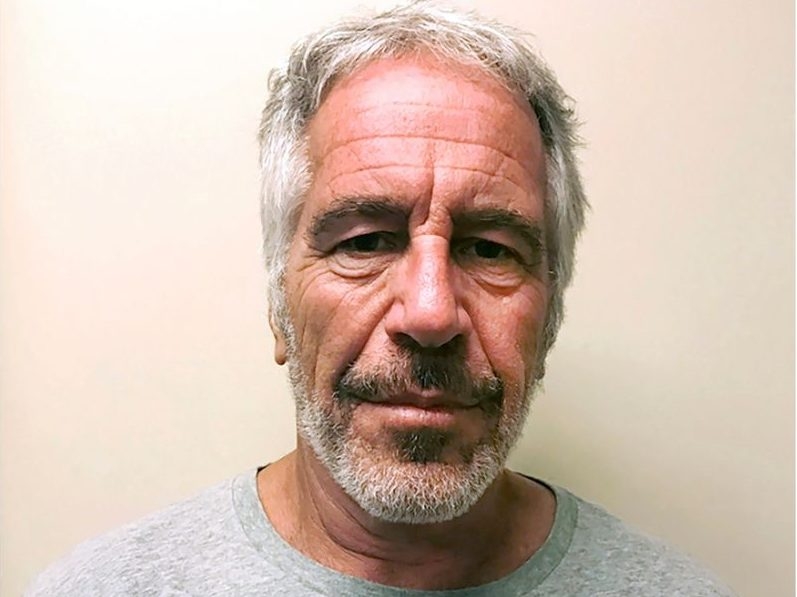
The catalyst for this dramatic change is the “Epstein Files Transparency Act,” signed into law last month. This legislation carved out a specific exception to the long-standing rules protecting grand jury secrecy, compelling the Justice Department to disclose these records by December 19th.
For years, questions surrounding the government’s handling of the Epstein case have lingered, particularly during a previous administration’s reluctance to fully release the files despite campaign promises. Limited releases of already public information did little to quell the growing demand for complete transparency.
Epstein, a millionaire who moved effortlessly among the elite – celebrities, politicians, and academics – took his own life in jail following his 2019 arrest. Maxwell, his longtime confidante, was convicted in 2021 of facilitating his crimes and is currently serving a 20-year sentence.
Maxwell’s legal team argued that releasing these records could jeopardize her attempts to overturn her conviction through a habeas petition, a claim that was ultimately rejected by the Supreme Court. Despite this setback, the legal battles continue to unfold alongside the release of these crucial documents.
Judge Berman emphasized that the new law leaves no room for interpretation, explicitly intending to make these previously secret materials public. He underscored that the law “supersedes” the traditional protections afforded to grand jury proceedings.
However, the judge also issued a stern directive to the Justice Department, stressing the paramount importance of protecting the privacy and safety of Epstein’s victims. He insisted on rigorous redaction of any identifying information before the records are released.
Court filings reveal that the entirety of the grand jury testimony came from a single FBI agent, whose knowledge of the case was largely secondhand. The agent’s testimony, presented alongside a PowerPoint slideshow and phone records, formed the basis for the indictment of Epstein.
The July 2, 2019 session culminated in the grand jury’s decision to indict Epstein, a pivotal moment now poised to be scrutinized in detail as these long-hidden transcripts come to light.