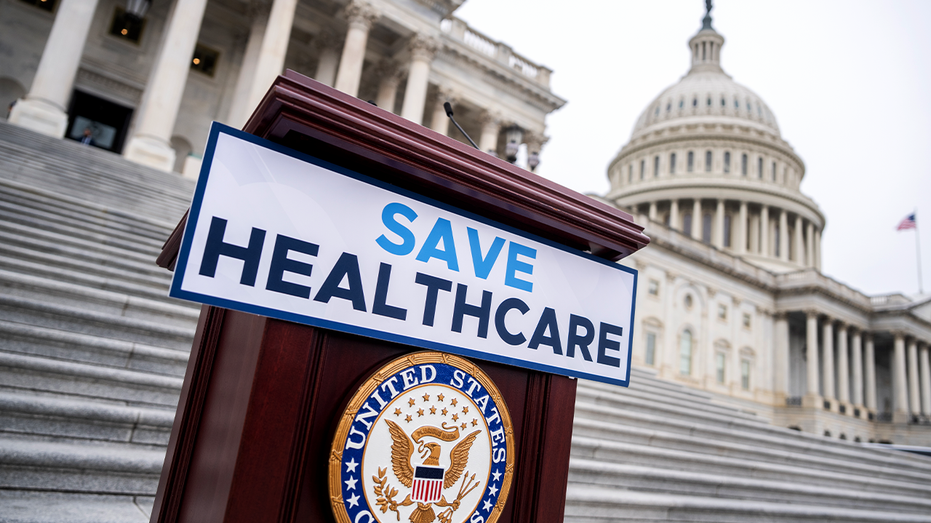
A political showdown is brewing in the Senate, poised to impact the healthcare costs of millions of Americans. Just hours before crucial votes on competing tax credit measures, the Democratic National Committee launched a targeted campaign against four Republican senators facing re-election.
The DNC’s offensive focuses on Senators Susan Collins, John Cornyn, Jon Husted, and Dan Sullivan, accusing them of repeatedly opposing extensions to Affordable Care Act (ACA) premium tax credits. Democrats argue these votes could lead to significant premium increases for over 20 million individuals currently benefiting from the subsidies.
The campaign isn’t limited to rhetoric. It involves digital “takeovers” of local newspapers in the senators’ home states – Maine, Texas, Ohio, and Alaska – alongside broader digital advertising efforts. Senators Ted Cruz, Lisa Murkowski, and Bernie Moreno also face pointed criticism in the ads.
At the heart of the debate are enhanced ACA premium tax credits, designed to make health insurance more affordable. Democrats insist extending these credits is a matter of vital importance, framing the vote as a potential life-or-death decision for many families.
Republicans, however, are pushing for reforms before agreeing to any extension. They contend the current system primarily benefits insurance companies and is susceptible to fraud and abuse. They propose alternative solutions, like bolstering Health Savings Accounts (HSAs) with direct funding.
Several Republican proposals are vying for consideration. One plan from Senators Bill Cassidy and Mike Crapo would eliminate the enhanced credits entirely, while others, including proposals from Collins and Husted, suggest temporary extensions coupled with income caps and measures to combat fraudulent claims.
The Collins-Moreno plan, in particular, has garnered some Democratic attention by proposing a two-year extension with income limitations and the elimination of zero-cost premiums. Husted’s plan adds a further complication with stricter enforcement of the Hyde Amendment, a sticking point for Democrats.
Despite the urgency, the path forward remains uncertain. The Senate’s schedule is dominated by the annual defense bill and presidential nominations, potentially delaying action on healthcare until after the credits expire at year’s end. The fate of millions hangs in the balance as senators prepare to cast their votes.
The DNC’s digital newspaper takeovers specifically targeted the Bangor Daily News, the San Antonio Express News and Current, the Cleveland Plain-Dealer and Medina Gazette, and the Anchorage Daily News, aiming to directly reach voters in these key states.