A looming deadline, just days away, has been set for Ukraine to consider a proposed peace plan – a development met with a fractured response from Washington. The 20-point design, after months of stalled negotiations, is now under intense scrutiny, with the administration hoping for a decision before the year’s end.
The urgency has sparked debate, dividing lawmakers over whether it’s a necessary push towards talks or undue pressure on a nation fighting for its survival. Senator Chris Van Hollen voiced strong opposition, arguing that freedom and sovereignty shouldn’t be subject to arbitrary timelines.
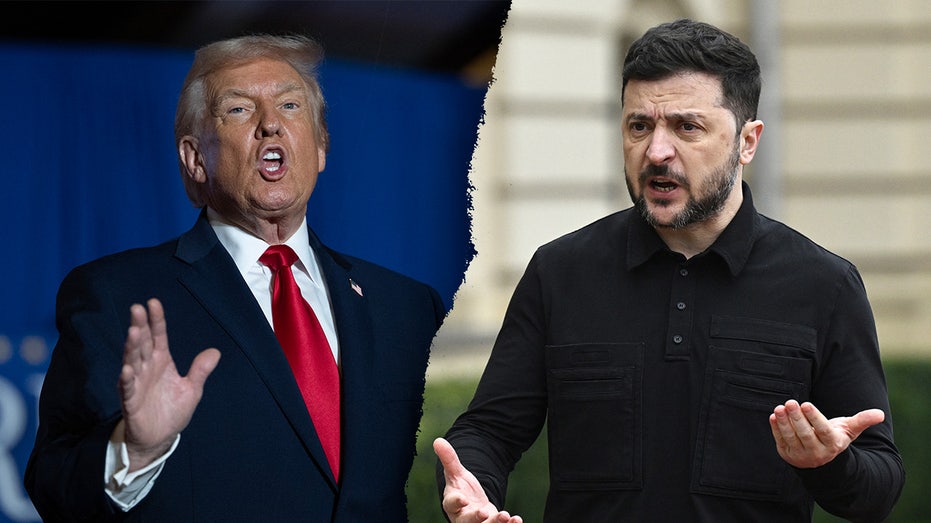
At the heart of the disagreement lies the potential for territorial concessions. President Zelenskyy has repeatedly stated that surrendering land is a non-negotiable red line, a firm stance that complicates the path to any agreement.
Zelenskyy, acknowledging the ongoing discussions, affirmed his commitment to finding a “reliable and dignified” resolution with allies. He emphasized continuous communication, working “virtually 24/7” to identify realistic steps toward ending the conflict.
Senator Chris Coons echoed concerns about the timeline, questioning its helpfulness and pointing to President Trump’s historically shifting stance on Russia and Ukraine. He stressed the importance of recognizing Russia as the aggressor and Ukraine as a democracy deserving of unwavering support.
However, some lawmakers see the deadline as a pragmatic necessity. Representative Brian Fitzpatrick believes it forces all parties to the negotiating table, while acknowledging the critical need to clearly identify the aggressor and the victim.
Representative Darrell Issa offered a stark assessment, framing the conflict as a depleting resource for Ukraine. He likened the situation to a chessboard, where a numerical disadvantage – fewer soldiers – becomes increasingly critical with each passing day.
Issa’s perspective centered on the unsustainable human cost of prolonged warfare. He argued that time erodes Ukraine’s most valuable asset – its people – as each day brings further casualties and a diminishing capacity to replenish its fighting force.
The future remains uncertain. What action the administration would take if the deadline passes without a resolution remains unclear, leaving the fate of the peace plan – and Ukraine – hanging in the balance.
The core issue isn’t simply about land, but about the very future of a nation and the principles of self-determination in a world grappling with conflict. The coming days will reveal whether a path to peace can be forged, or if the war will continue to claim lives and reshape the geopolitical landscape.