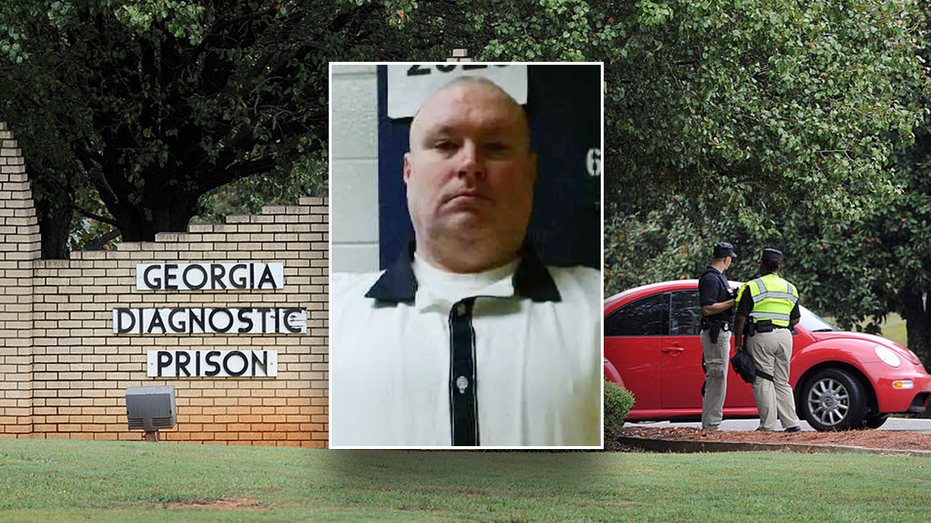
The courtroom silence shattered in September when Shawn “Mickey” Stines, former sheriff of Letcher County, Kentucky, allegedly walked into Judge Kevin Mullins’ chambers and fired. Newly unsealed court documents now confirm Stines admitted to pulling the trigger, a chilling confession as the case spirals toward trial.
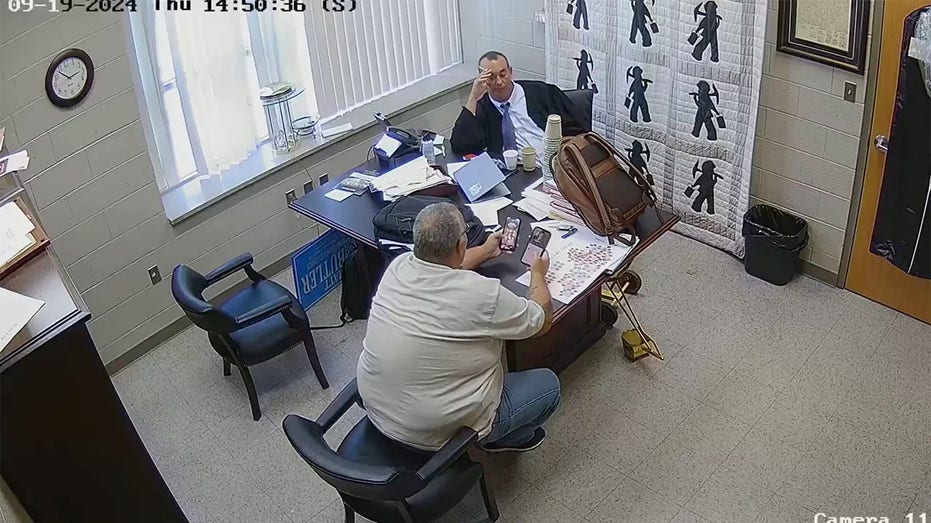
Surveillance video, though lacking sound, paints a stark picture: a man identified as Stines calmly drawing a weapon and repeatedly shooting the seated judge. He then moved around the desk, continuing the attack. The charges are severe – first-degree murder and the murder of a public official – and the stakes couldn’t be higher.
Stines’ defense is now centering on a claim of insanity, arguing he was gripped by “extreme emotional disturbance” at the time of the shooting. This strategy suggests a full-blown attempt to absolve him of criminal responsibility by demonstrating a complete lack of mental capacity.
A social worker’s report, penned shortly after the incident, described Stines as remaining “in an active state of psychosis” while incarcerated. He reportedly struggled to grasp the charges against him and exhibited violent outbursts, requiring the use of pepper spray to maintain control.
Prior to the shooting, Stines himself claimed to be battling debilitating symptoms – dizziness, headaches, memory loss – attributing them to California encephalitis, a rare neurological disease transmitted by insect bites. This self-diagnosis, if substantiated, could be crucial to his defense.
Meanwhile, a wrongful death lawsuit filed by Judge Mullins’ widow, Kimberly Mullins, and their two children, alleges not only assault and battery by Stines but also negligence on the part of three other sheriff’s office employees. They claim these colleagues failed to heed warning signs of Stines’ deteriorating mental state.
In his response to the civil suit, Stines again acknowledged shooting Judge Mullins, but this time explicitly stated he was “exhibiting paranoid and psychotic conduct.” His legal team is aggressively pursuing a dismissal based on sovereign immunity, arguing he was acting in his official capacity as sheriff.
The defense contends Stines “had no control” over his actions, attributing the shooting to pre-existing conditions. They argue that proving intent is essential for a negligence claim, and without it, the lawsuit should be dismissed. This echoes the core of their criminal defense: a mind consumed by illness.
Despite attempts to shield portions of his mental evaluation from public view – a request the judge recently upheld – prosecutors remain tight-lipped about the latest developments. Two motions to dismiss the criminal charges were recently denied, with the defense arguing the grand jury was not informed of Stines’ mental state and the proceedings weren’t recorded.
The possibility of a death penalty has not been ruled out, but a successful insanity plea could remove that option from the table. The case is a complex web of legal maneuvering, tragic loss, and a desperate attempt to understand the fractured state of mind behind a shocking act of violence.