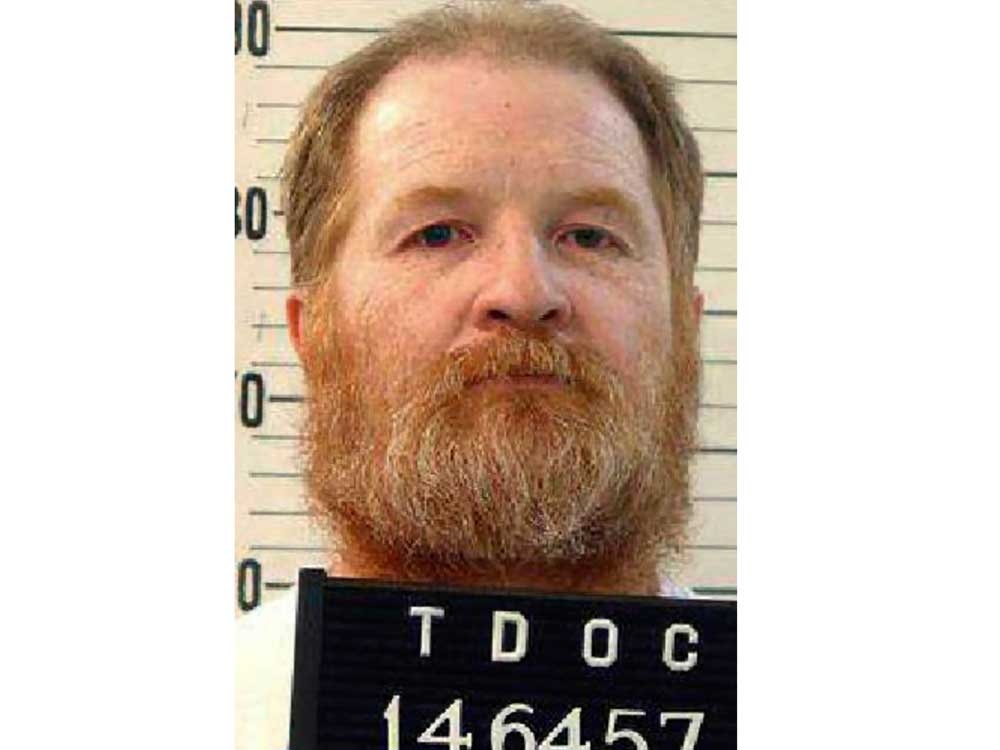
Harold Wayne Nichols, 64, was executed by lethal injection in Nashville Thursday evening, bringing a chilling end to a case that haunted Tennessee for over three decades. His crime: the brutal 1988 rape and murder of Karen Pulley, a 20-year-old student with a future stolen too soon.
Nichols confessed not only to Pulley’s horrific death, but also to a string of other violent attacks on women in the Chattanooga area. Though he expressed remorse during his trial, a disturbing admission revealed he would have continued his reign of terror had he not been apprehended. He was sentenced to death in 1990, a judgment that would be fiercely contested for years.
Despite Nichols’ guilty plea and acceptance of responsibility, his legal team fought tirelessly for a commutation to life imprisonment. They argued his case was unprecedented – he would have been the first person executed in Tennessee for a crime to which he confessed since the reinstatement of the death penalty in 1978. The Supreme Court ultimately denied a stay of execution.
For Karen Pulley’s sister, Lisette Monroe, the execution marked the end of a 37-year nightmare. She described her sister as a woman defined by gentleness, sweetness, and innocence, hoping that finally, she could begin to focus on cherished memories instead of the agonizing details of her sister’s murder.
This execution wasn’t the first scheduled for Nichols. He had previously been granted a reprieve in August 2020 due to the COVID-19 pandemic. At that time, he chillingly opted for death by electric chair, a choice available to those convicted before January 1999.
Tennessee’s execution protocols have been shrouded in controversy. A three-drug process used in 2020 drew criticism from inmates’ attorneys who pointed to potential flaws. Their concerns were validated in 2022 when Governor Bill Lee halted all executions after a review revealed critical testing failures of the drugs used in previous executions.
A new protocol, utilizing the single drug pentobarbital, was implemented last December. However, it immediately faced legal challenges from death row inmates, with a trial scheduled for April. Nichols, citing a lack of transparency, declined to choose an execution method, defaulting to lethal injection.
His attorney, Stephen Ferrell, stated the Department of Correction had failed to provide sufficient information about the new protocol, preventing Nichols from making an informed decision about his own death. A recent court ruling granted access to records from previous executions using the new method, but the state has yet to release them and intends to appeal.
The last execution in Tennessee, in August, was marred by disturbing final words from the inmate, Byron Black, who cried out in agonizing pain. The state has offered no explanation for his suffering, fueling further anxieties about the lethal injection process.
Across the nation, states are grappling with the complexities of capital punishment. Shortages of lethal injection drugs, coupled with legal battles over botched executions, have led some to explore alternative methods, including firing squads and nitrogen gas. Nichols’ execution is one of 45 court-ordered executions carried out in the U.S. this year.