A dramatic showdown unfolded in the Senate on Thursday, as a Republican healthcare proposal faltered, falling short of the votes needed to move forward. The final tally was 51-48, a stark illustration of the deep divisions surrounding the future of healthcare in the nation.
The bill, spearheaded by Senators Bill Cassidy and Mike Crapo, aimed to reshape the financial landscape of health insurance. It proposed phasing out the tax subsidies currently bolstering Obamacare and redirecting those funds into expanded health savings accounts, offering individuals more control over their healthcare spending.
However, the legislation faced unified opposition from Democrats, and a surprising defection from within the Republican ranks. Senator Rand Paul cast the deciding vote against the plan, effectively halting its progress and highlighting fractures within the party.

Sixty votes were required to overcome procedural hurdles and advance the bill, a threshold that proved insurmountable. The failure leaves Congress grappling with a looming challenge: the expiration of key Obamacare provisions at the end of 2025.
The expiring provisions include enhanced premium tax credits, which currently help millions of Americans afford health insurance. Without action, premiums are widely expected to surge, potentially destabilizing the individual insurance market.
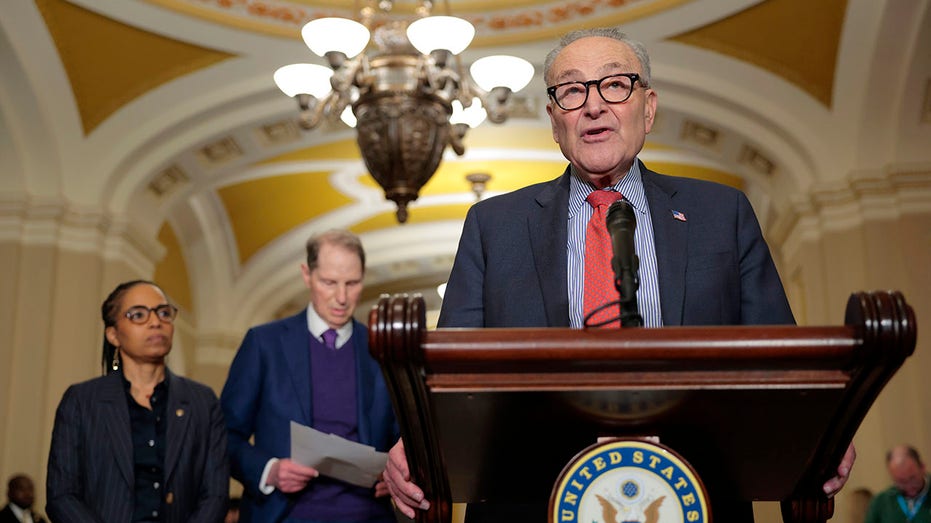
Adding to the day’s complexity, a separate healthcare proposal championed by Senator Chuck Schumer also failed to gain traction. This dual defeat underscores the difficulty of forging a bipartisan consensus on healthcare reform.
Following the votes, Senator Schumer delivered a pointed statement, asserting that Republicans had willingly accepted the potential consequences of inaction. The outcome leaves the future of affordable healthcare hanging in the balance, with no clear path forward emerging from the Senate floor.
The Cassidy-Crapo plan envisioned a shift in how federal healthcare dollars are distributed, moving away from direct subsidies to insurance companies and towards empowering individuals with health savings accounts. This approach, proponents argued, would foster greater consumer choice and control.
Analysts at KFF, a leading health policy research group, determined the plan would essentially convert existing tax credits into contributions to HSAs, designed to offset out-of-pocket medical expenses. However, this restructuring failed to garner enough support to overcome the political obstacles.