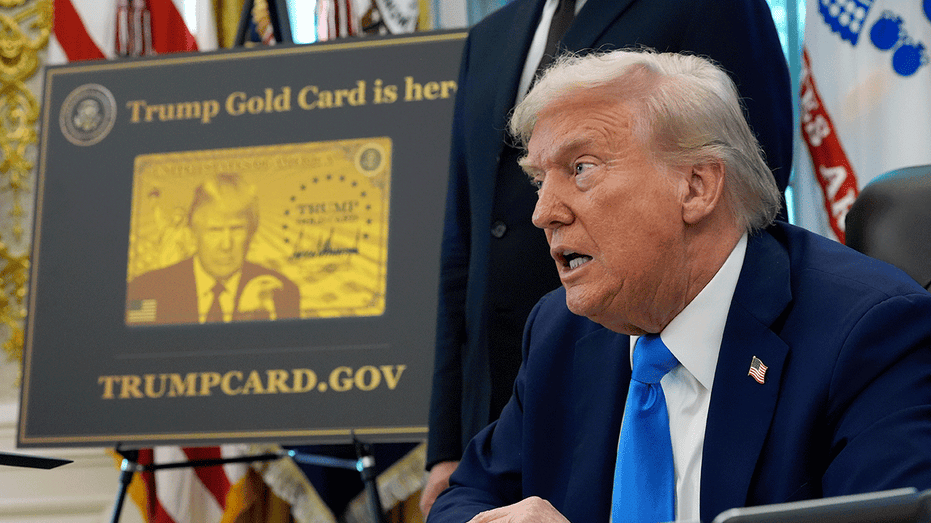
A new pathway to U.S. residency has emerged, one defined not by qualifications or need, but by wealth. The program, unveiled this week, offers a fast track for individuals and businesses willing to make substantial financial contributions to the country.
For an individual, the cost of entry is a $1 million “gift” to the United States, coupled with a $15,000 vetting fee – a sum dramatically higher than standard visa and green card application costs, which typically range from a few hundred to a few thousand dollars.
Businesses seeking to sponsor employees face an even steeper price tag: $2 million per employee, also including the $15,000 vetting process. This allows companies to bring in personnel, fully vetted to the highest standards, with a clear path toward citizenship after five years.
The program’s proponents claim it will generate billions in revenue and retain “tremendous people” who might otherwise leave the country. They emphasize the rigorous vetting process, asserting it will ensure only the most qualified individuals gain entry.
However, the initiative has sparked immediate controversy, raising concerns about fairness and potential abuse. Critics argue it fundamentally alters the principles of U.S. immigration, transforming it into a commodity available only to the affluent.
The possibility of exploitation by individuals with illicit wealth – cartel leaders and foreign oligarchs – looms large. Concerns center on whether the vetting process can truly safeguard against such individuals leveraging the program for personal gain.
The program represents a significant departure from the administration’s stated commitment to stringent border security. It creates a two-tiered system, where wealth can effectively bypass traditional immigration hurdles.
Opponents decry the initiative as an “illegal pay-to-play scheme” that undermines American values and prioritizes financial resources over merit, hard work, and genuine affection for the country. They advocate for a fair and orderly immigration system that upholds safety, national security, and the nation’s historic role as a beacon of hope.
While supporters hail the program as a fulfillment of promises to attract successful entrepreneurs and investors, the debate underscores a fundamental question: what kind of nation does America aspire to be, and who should have the opportunity to call it home?