The courtroom doors may have swung open for Sean “Diddy” Combs, but a chilling question lingered: could innocence truly exist alongside the weight of accusations leveled against him? Even with a legal acquittal on the most serious charges, few believed he was without fault.
Security footage revealed a brutal reality – a defeated Cassie Ventura subjected to physical abuse at the hands of the music mogul. Testimony painted a disturbing picture of violence, drugging, and alleged sexual assault, creating a narrative that preceded any documentary or investigation.
Before audiences even settled in to watch Curtis Jackson, known as 50 Cent, unveil his documentary, “Diddy: The Reckoning,” a prevailing belief had already taken hold: Diddy was, at the very least, a perpetrator of repeated domestic abuse, and potentially far worse.
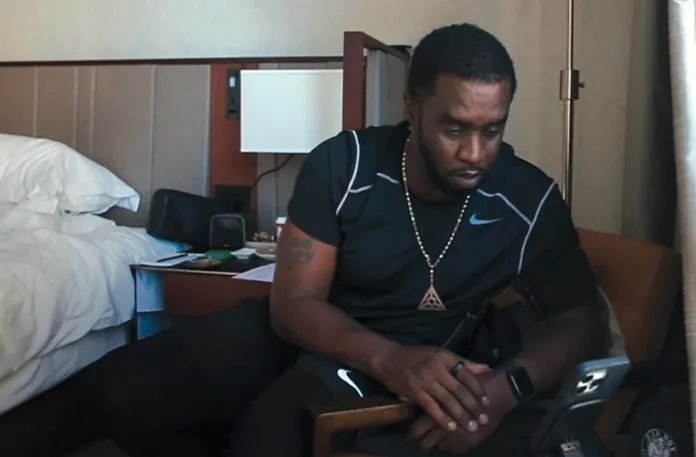
Jackson’s film doesn’t simply revisit past allegations; it dares to ask a terrifying question: was Diddy a serial abuser, or something far more sinister – a serial killer? The documentary meticulously constructs a disturbing possibility, one that challenges perceptions of the man behind the Bad Boy empire.
The film presents a timeline stretching back to Diddy’s youth, interwoven with personal footage he himself commissioned, leaked by someone allegedly cheated out of payment. These intimate glimpses, combined with firsthand accounts from both victims and accomplices, build a deeply unsettling portrait.
At the heart of the most shocking claim – Diddy’s alleged involvement in the 1996 murder of Tupac Shakur – lies a previously unheard, uncut audio recording. Duane “Keefe D” Davis, a former gang leader later charged with Shakur’s murder, claims Diddy offered him a million dollars to eliminate his rival.
The motive, according to Davis and other former associates, stemmed from Diddy’s insecurity and fear of Tupac and Death Row Records’ rising dominance. He perceived a threat to his own empire, and allegedly took drastic measures to neutralize it. This wasn’t just a rivalry; it was a perceived existential crisis.
The documentary further suggests a chilling pattern of manipulation and disregard for human life. Even after Shakur’s death, Diddy allegedly pressured the Notorious B.I.G. to travel to Los Angeles, despite Biggie’s legitimate fears for their safety.
Witnesses reveal Biggie was contemplating independence from Bad Boy Records, a move that would have eclipsed Diddy’s own star power. Biggie’s survival threatened Diddy’s control, and his death cemented Diddy’s legacy, allowing him to profit from Biggie’s memory and fame.
Adding to the disturbing narrative are past tragedies linked to Diddy – a 1991 stampede at one of his events that claimed nine lives, and a 1999 shooting at a Times Square nightclub. The documentary argues these weren’t isolated incidents, but part of a pattern of violence surrounding the mogul.
The film builds a circumstantial case, suggesting that the untimely deaths of those who crossed Diddy were not coincidences, but the result of his calculated actions. This paints a picture of a man capable of far more than just abuse – a man capable of murder.
Diddy vehemently denies all accusations. While convicted of violating the Mann Act, he was acquitted of the more serious sex trafficking and RICO charges. The trial itself didn’t address the allegations of rape, drugging, or domestic violence, leaving those claims largely unanswered in a legal setting.
Unlike the compelling evidence presented regarding Shakur’s murder, the documentary doesn’t offer direct proof of Diddy’s involvement in Biggie’s death. It highlights only his dismissive attitude towards Biggie’s safety concerns, leaving that question open to interpretation.
In the eyes of the law, Diddy has largely prevailed, facing a relatively short sentence. However, “Diddy: The Reckoning” argues that the truth may be far darker and more complex than any courtroom verdict can reveal, leaving audiences to grapple with a disturbing possibility.


