
Apple products are renowned for their seamless operation – the intuitive iPhone, the dependable Mac, the effortlessly connected AirPods. Yet, within Apple’s own ecosystem, the smart home experience with HomeKit proved surprisingly different. What began in 2014 with ambitious promises evolved into a narrative of unrealized potential and frustrating complexities.
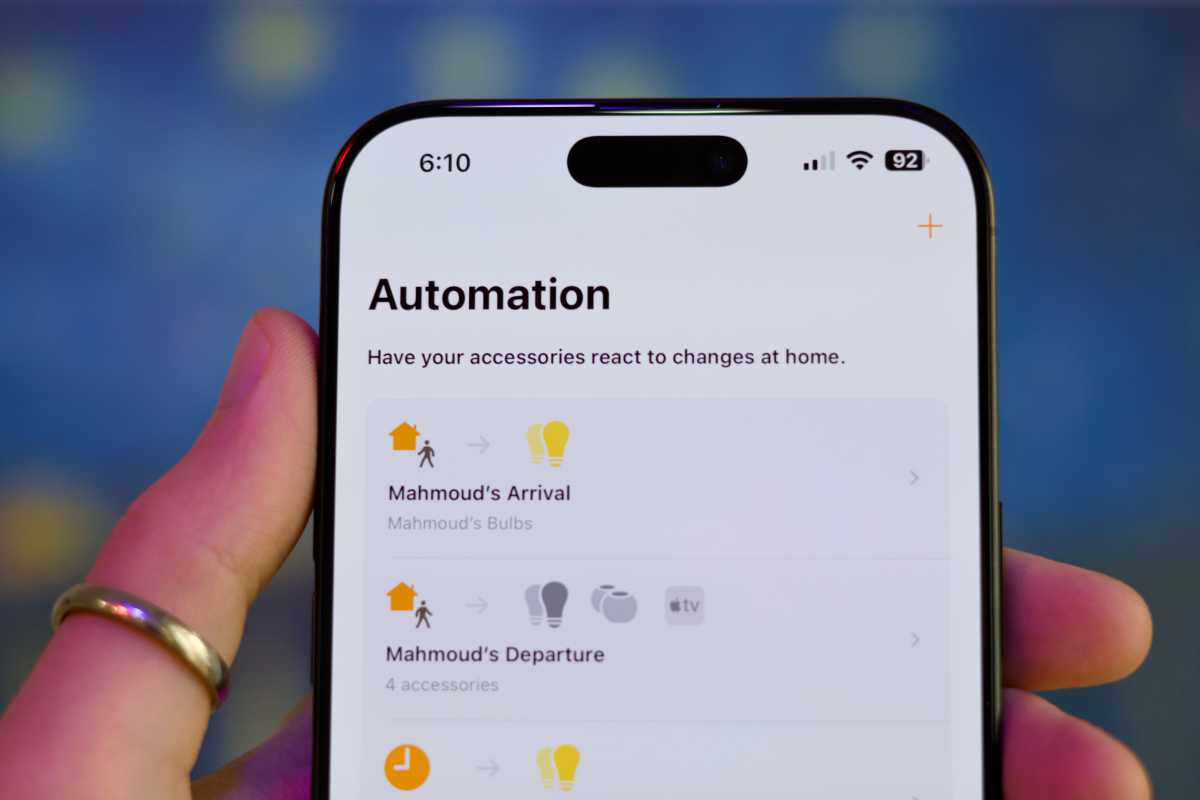
Craig Federighi’s initial presentation at WWDC painted a compelling vision: a unified, secure, and private smart home system deeply integrated with the iPhone. Imagine simply saying, “Hey Siri, I’m home,” and having your environment respond – lights illuminating, temperature adjusting, music filling the air. The reality, however, proved far more challenging. While competitors like Amazon and Google rapidly gained traction with Alexa and Assistant, HomeKit and Siri struggled with inconsistencies and limited functionality.
From the outset, HomeKit faced inherent structural hurdles. Apple’s unwavering commitment to security, typically a strength, became a significant obstacle. Manufacturers were required to install a specialized “Made for iPhone” chip in each device to ensure authentication. This added cost and complexity to the development process, slowing down innovation.
The impact was clear: manufacturers could bring Alexa-compatible products to market in weeks, while HomeKit certification demanded considerably more time. This hesitancy translated into a smaller selection of compatible devices and often, higher price tags. A HomeKit-enabled smart socket could easily cost $30-$40, compared to $15-$20 for comparable alternatives.
Apple attempted to address this in 2017 with software authentication, eliminating the need for the MFi chip. However, promised updates were frequently delayed or simply didn’t function as expected. The frustrating “No response” error message became a common sight within the Home app.
The launch of iOS 16 in 2022 brought a particularly difficult moment. Apple touted a new architecture designed for improved performance, but the migration process was riddled with problems. Devices required reconnection, and existing automations failed. A synchronized update across all user accounts was mandatory, leaving those who missed the step locked out of their systems. Apple ultimately withdrew and revised the update, prompting some users to seek alternatives.
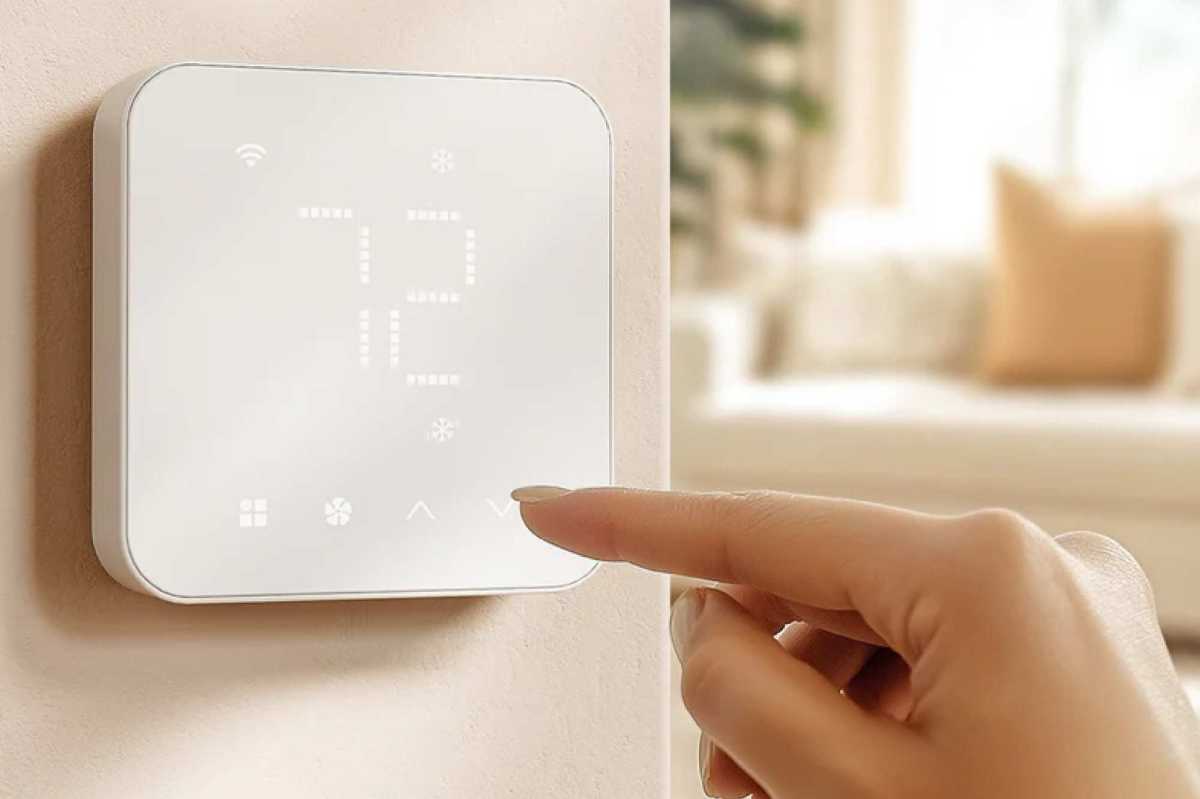
The turning point arrived with Matter, a unifying standard developed collaboratively by Apple, Google, Amazon, Samsung, and over 200 other companies. Matter directly addresses the core issue plaguing the smart home market: fragmentation. Instead of isolated ecosystems, a single protocol now enables seamless interoperability across all platforms.
Matter leverages the Thread protocol, combining the energy efficiency of Zigbee with the openness and IP-based connectivity of the internet. This creates a self-healing mesh network – the more devices connected, the more stable the system becomes. Apple has integrated Thread into the HomePod Mini and Apple TV 4K, providing a readily available infrastructure for many users.
Thread devices offer rapid, reliable communication through local connections, boasting impressive battery life – often exceeding a year on a single button cell. Crucially, Matter devices are competitively priced, typically matching the cost of their proprietary counterparts. When purchasing new smart home devices, prioritize Matter compatibility to ensure future-proof integration.
This newfound openness allows for unprecedented flexibility. Users can leverage Apple’s Home app for daily control, access manufacturer-specific features through dedicated apps, or even seamlessly switch ecosystems without being locked in. The smart home market is undergoing a positive transformation, empowering consumers to prioritize quality and price.
After years of anticipation, Matter has arrived and delivers on its promise. The era of juggling multiple apps and choosing between walled gardens is over. Now, a simple QR code scan integrates Matter devices into Apple Home, Google Home, Alexa, or Samsung SmartThings with remarkable ease.
In practice, setup is remarkably straightforward, and devices respond with impressive speed thanks to local communication. More importantly, your investment is protected – should you choose to change ecosystems in the future, your devices will seamlessly follow. While the device range is continually expanding, even complex categories like robot vacuums and water heaters are now supported.
Building an Apple smart home should begin with a focused approach. A Philips Hue Bridge with a few lights, paired with an Eve Weather sensor for climate monitoring, provides a solid foundation. From there, expand gradually, adding plugs, thermostats, locks, and other devices as needed.
The true power of Matter lies in its independence. Devices function without relying on the internet, the cloud, or manufacturer servers. In an age where services are frequently discontinued or subjected to unexpected fees, this self-reliance is invaluable. The Thread wireless standard further enhances the system’s robustness and self-healing capabilities.
Matter is evolving rapidly, with Version 1.5 adding support for cameras and expanding the range of compatible devices. Major manufacturers are already on board, promising falling prices and a wider selection. What is considered premium today will soon become the standard.
The smart home with Matter is no longer a complex undertaking. It’s a tool that enhances daily life – from automatically adjusting lights to intelligently managing heating and providing secure access. Technology fades into the background, allowing you to focus on what truly matters: comfort, convenience, energy savings, and peace of mind. You don’t need to understand the intricacies of Thread; simply define your needs and let the technology adapt to you.


