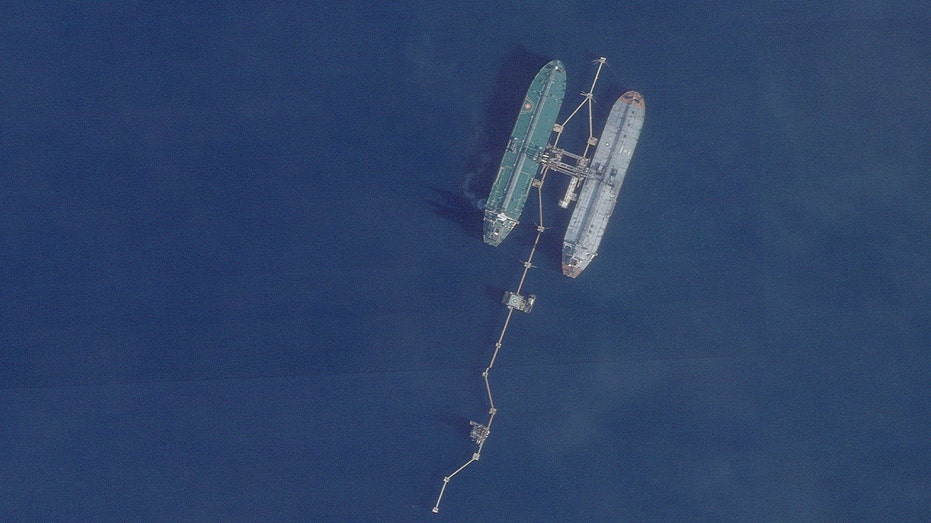
The seizure of a Venezuelan oil tanker unfolded under a distinctly different legal rationale than recent actions against alleged drug traffickers, despite both being aimed at intensifying pressure on Venezuelan leader Nicolás Maduro.
Attorney General Pam Bondi presented the U.S. capture of the tanker as a direct enforcement of existing sanctions, backed by a federal court warrant. The vessel, already sanctioned for its alleged role in transporting illicit oil benefiting foreign terrorist groups, was taken into Coast Guard custody with support from the War Department following the execution of the warrant off Venezuela’s coast.
A high-ranking administration source clarified that the seizure rests solely on the sanctions designation – not the wartime authority previously cited to justify military strikes against drug-trafficking vessels. This distinction reveals a strategic deployment of two separate legal frameworks within the same geographic region.
The tanker, identified as the Skipper, has been on the U.S. sanctions list for years, accused of facilitating a clandestine oil network between Venezuela and Iran. Officials claim this network generated funds for organizations designated as terrorist entities.
This sanctions designation legally classified the vessel as “blocked property” under U.S. law, empowering the Justice Department to obtain a federal warrant for its seizure through civil forfeiture statutes. This process, grounded in domestic law and approved by a U.S. court, formed the foundation of Thursday’s operation.
While the administration maintains the seizure is fully lawful under sanctions and forfeiture regulations, detaining a foreign vessel on the high seas has historically sparked debate among maritime legal experts, particularly when the ship isn’t registered under a U.S. flag.
The claim that the Skipper was either stateless or fraudulently flagged could be a crucial element in this debate. Legal scholar Julian Ku suggested that if proven, the U.S. could legally treat the vessel as “stateless” and subject to seizure due to its violation of U.S. law.
Unlike the strikes against drug cartels, the government isn’t invoking battlefield authority or self-defense powers in this case. Instead, officials are relying on the International Emergency Economic Powers Act and related regulations, which allow the U.S. to target assets linked to sanctioned entities, regardless of their location.
A senior administration official stressed that this is the sole legal basis for the Skipper’s seizure, explicitly stating it doesn’t involve the Article II wartime arguments used to justify the military actions against cartel boats in international waters.
The result is a civilian law enforcement operation, aided by the military, running parallel to a separate military campaign based on the assertion that the United States is “at war” with foreign drug cartels. Both initiatives, however, appear to serve the overarching goal of compelling Nicolás Maduro to relinquish power.