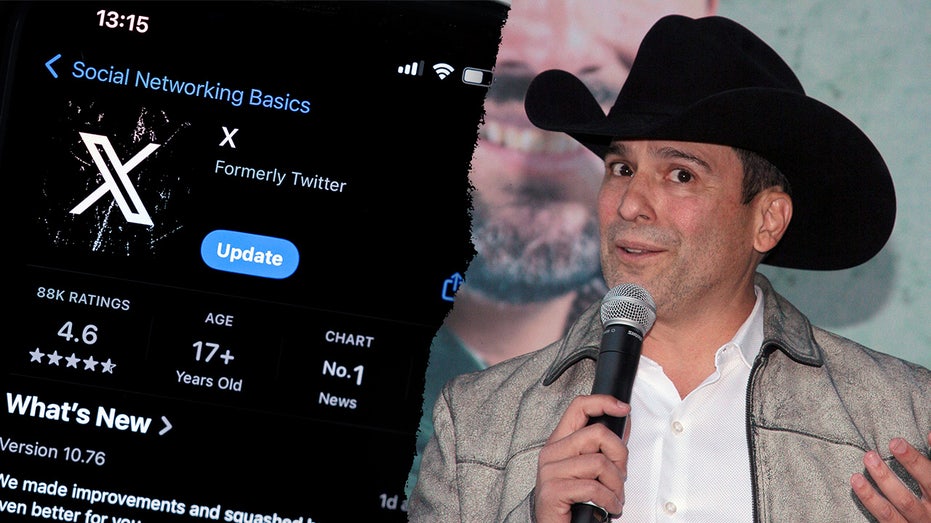
Bobby Pulido, a celebrated musician with Latin Grammy awards, is now navigating a challenging path as a congressional candidate. His transition from the stage to the political arena is shadowed by a decade-long trail of online activity, revealing a digital footprint filled with references to explicit content.
From 2013 through 2024, Pulido’s social media accounts showcased a pattern of sharing links, images, and commentary related to pornography. Early posts included direct recommendations to visit adult websites, even playfully questioning fellow musicians about potential royalties earned from their music’s appearance in such productions.
A 2014 post bluntly stated, “It’s impossible to have Twitter and not watch porn.” Later, in 2016, he offered alternative free sites to those lamenting the shutdown of another, adding a casual hashtag: “#yourewelcome.” These statements, once freely shared, now present a stark contrast to his current campaign messaging.
Pulido’s congressional bid, aimed at unseating incumbent Monica De La Cruz in a newly redrawn Texas district, is considered a key opportunity for Democrats. The district, though still leaning Republican, is now more competitive due to redistricting efforts, making Pulido’s appeal to a broad electorate crucial.
As he attempts to rebrand himself as a bipartisan candidate focused on family values, Pulido has actively removed politically charged content from his social media. A photograph of him urinating on Donald Trump’s Hollywood Walk of Fame star is among the items that have disappeared.
Despite this effort to curate a new image, numerous references to explicit material remain visible on his accounts. Some explicit images have also evaded removal, creating a complex narrative for voters to decipher.
Pulido has acknowledged the posts but offered explanations, including a claim of a hacked account in 2015. He has also responded to fans’ notes about his music being used in adult productions, and even reposted a fan’s provocative image taken at one of his concerts, initially refusing to take it down despite the ensuing criticism.
The National Republican Congressional Committee has seized upon this online history, labeling Pulido “unhinged and unfit” for office. The Democratic Congressional Campaign Committee has remained silent on the matter, leaving Pulido to navigate the controversy largely on his own.
Pulido’s campaign launch video presented him as “José Roberto Pulido Jr., the son of a migrant farmworker and 100% South Texas Tejano,” vowing to defend the region against division. This carefully constructed narrative now clashes with the unfiltered content of his past, raising questions about authenticity and judgment.
The lingering digital trail forces voters to reconcile the image of the award-winning Tejano musician with the candid, and often provocative, persona he once projected online. This discrepancy could prove to be a defining factor in his pursuit of a seat in Congress.