
The year 2025 revealed a surprising truth about how people interact with artificial intelligence. A detailed analysis of 37.5 million anonymized conversations with Copilot paints a picture far beyond simple task completion – it shows a deep reliance on AI for navigating the complexities of life itself.
Copilot wasn’t just a productivity tool; it became a companion for wellness. The data revealed a particularly strong trend of health-related inquiries on mobile devices, with users seeking guidance on exercise, daily routines, and overall well-being at all hours. This constant access suggests a growing desire for readily available, personalized health support.
Intriguing patterns emerged within the week. During weekdays, Copilot was heavily utilized for coding tasks, reflecting its capabilities as a powerful programming assistant. But as the weekend approached, the focus shifted dramatically – users turned to the AI for leisure and entertainment, showcasing a versatile and adaptable tool.

February witnessed a poignant surge in conversations centered around relationships and personal growth. As Valentine’s Day neared, people sought advice and explored their emotions with the AI, hinting at a desire for connection and self-improvement. This demonstrates a willingness to confide in AI during emotionally charged times.
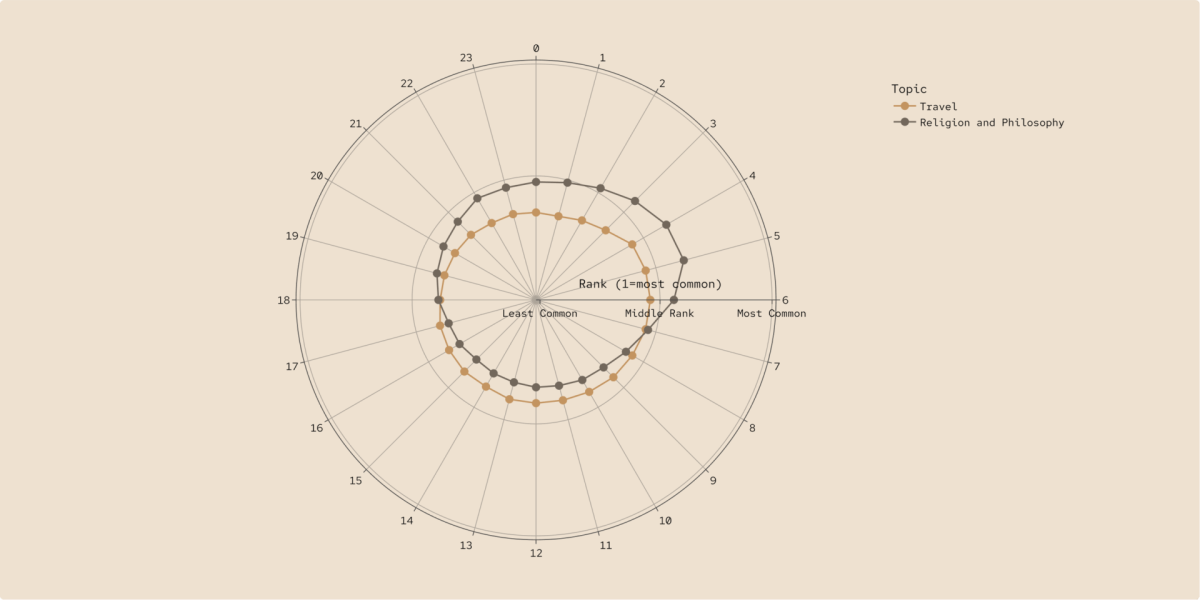
The hours of the day also revealed fascinating insights. While travel planning dominated daytime conversations, nighttime saw a marked increase in discussions about religion and philosophy. This suggests a tendency to grapple with deeper, existential questions during moments of quiet reflection.
Perhaps the most significant finding was the shift from seeking simple facts to requesting advice. Copilot was increasingly used as a sounding board, a digital counselor for navigating life’s difficult decisions and processing complex emotions. It wasn’t just about *what* to know, but *how* to feel and what to do.
These insights aren’t merely academic curiosities. The data gathered from these millions of interactions will directly inform the future development of Copilot, shaping it into an even more intuitive and supportive AI assistant.


