The echoes of the 2020 election still reverberate, not in recounts or legitimate investigations, but in the relentless pursuit of political vengeance. In Arizona and Wisconsin, two attorneys general, facing re-election, are wielding the power of their office to prosecute those who dared to question the election’s outcome – individuals who acted within their legal rights.
President Trump and his supporters, like many before them, raised concerns about the 2020 results, initiating challenges permitted under both the First Amendment and the Electoral Count Act of 1887. This isn’t a novel tactic; Democrats themselves contested Republican victories in 1968, 2000, 2004, and 2016. Yet, a narrative emerged, falsely accusing these challengers of submitting “fake electors” in a deliberate attempt to subvert the certified results.
The claim is a distortion of reality. The alternate electors weren’t presented as replacements for legitimate ones, but as a contingent measure, ready to be considered should Congress sustain objections during the January 6th certification. They were a procedural safeguard, not a fraudulent scheme. To suggest otherwise ignores the complex legal framework surrounding presidential elections.
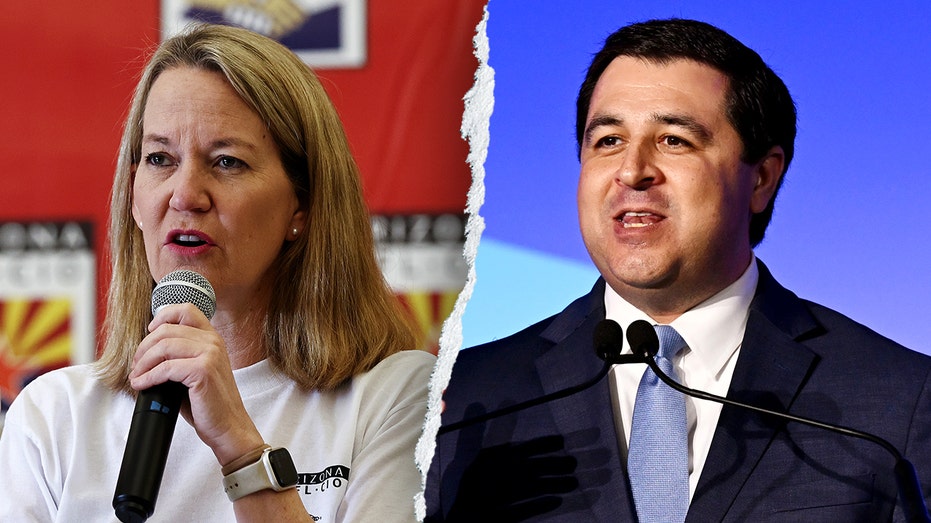
In Arizona, Kris Mayes, who won her election by a mere 300 votes, immediately launched a legal assault on Trump supporters. Her predecessor, recognizing the lack of criminal wrongdoing, had declined to pursue such cases. Mayes, however, indicted eleven alternate electors and seven others, including a key campaign official. A lower court rightly dismissed the indictment, noting Mayes failed to present the full Electoral Count Act to the grand jury – a critical oversight given the law’s complexity.
Mayes then appealed, only to be rebuffed by the Arizona Court of Appeals. Now, she seeks review by the state Supreme Court, a move that should be met with resistance. Her actions appear driven by political ambition, not a genuine pursuit of justice. This same prosecutor previously threatened a frivolous investigation into President Trump over a misinterpreted remark, a tactic abandoned after his subsequent electoral success.
Wisconsin mirrors this troubling pattern. Attorney General Josh Kaul, similarly motivated, brought charges against three individuals – including the same campaign official – nearly four years after the election. While he didn’t indict the Wisconsin alternate electors, the case unfolds in a heavily partisan environment, making a fair trial a daunting prospect.
A preliminary hearing is scheduled, but even the impartiality of the presiding judge is under question. Allegations have surfaced suggesting another individual authored a key ruling, raising serious concerns about the integrity of the proceedings. Regardless of the hearing’s outcome, this case should be dismissed. It’s a blatant attempt to criminalize political disagreement in a crucial swing state.
These cases echo the disastrous prosecution in Georgia, led by Fani Willis. That case imploded after revelations of a romantic relationship and financial impropriety involving Willis and a special prosecutor, ultimately leading to her disqualification and the dismissal of charges. The pursuit of political enemies through legal means had backfired spectacularly.
The overarching goal of these “lawfare” efforts – to silence, bankrupt, or defeat Donald Trump – has failed. Now, these prosecutors are attempting to extract retribution from those who supported him. If Mayes and Kaul don’t follow the example set in Georgia and drop these baseless cases, the courts must intervene.
Beyond the courts, a deeper examination is warranted. These actions represent a dangerous abuse of power, potentially violating the civil rights of those targeted. The Justice Department should consider pursuing charges against these prosecutors for their conduct, upholding the principle that no one, not even those in positions of authority, is above the law.