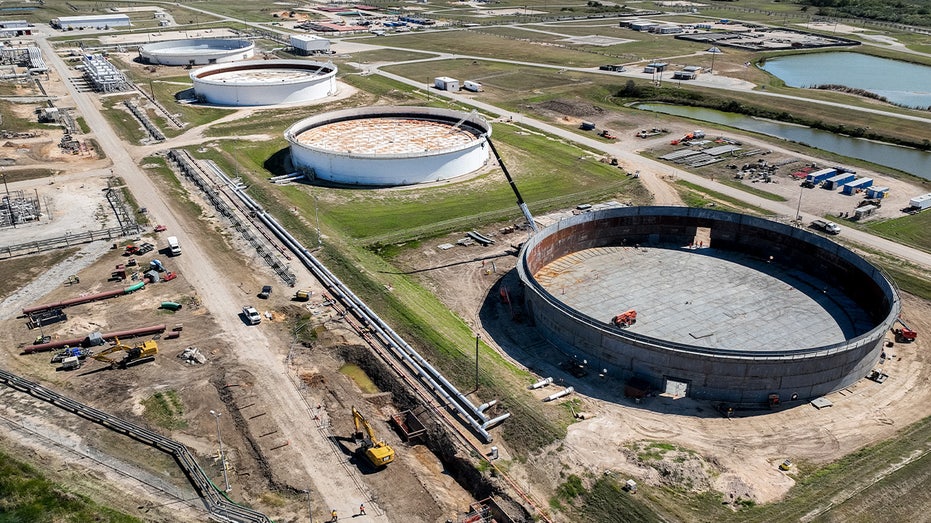
The nation’s emergency oil supply, the Strategic Petroleum Reserve, is quietly being rebuilt. After substantial drawdowns, the current administration is taking steps to replenish reserves diminished during a period of global uncertainty and economic pressure.
This reserve, established in the wake of the 1970s oil crisis, is a critical buffer against disruptions to the nation’s energy supply. Stored deep within the Gulf Coast regions of Texas and Louisiana, it represents a vital layer of national security, though its capacity to fully insulate the country is limited – currently covering only about 20 days of national demand.
The recent focus on refilling the SPR comes as energy prices have begun to fall, a shift that has dramatically altered the political landscape. Following election cycles where affordability was a key concern, a new narrative is emerging, one centered on economic relief and the promise of lower costs for everyday Americans.
The depletion of the SPR began in 2021, a response to pandemic-induced supply chain issues and a global economy struggling to regain its footing. The scale of the release was unprecedented – a million barrels per day for six months – triggered further by Russia’s invasion of Ukraine and subsequent sanctions.
Ultimately, roughly 300 million barrels were released during the previous administration, a move that, while intended to stabilize prices, had unintended consequences. Officials now point to significant costs associated with the drawdown, including delayed maintenance and increased strain on storage facilities.
The reserve plummeted to a 40-year low in 2023, raising concerns about long-term energy security. While other presidents have tapped the SPR in times of crisis – from Operation Desert Storm to Hurricane Katrina – the recent drawdowns were on a different order of magnitude.
Now, a gradual rebuilding effort is underway. The Department of Energy has begun purchasing oil, prioritizing acquisitions at prices significantly lower than those seen during the peak of the drawdown. However, fully restoring the reserve to its 700 million-barrel capacity is estimated to cost upwards of $20 billion.
Funding for this effort is dependent on Congressional action. Existing appropriations, including funds from recent legislation, are earmarked for both maintenance and replenishment. Additional funding proposals have been debated, highlighting the importance placed on restoring this critical national asset.
Beyond direct purchases, innovative strategies are being explored, such as exchange agreements with companies like ExxonMobil, designed to address temporary supply disruptions while simultaneously adding to the reserve. These efforts signal a commitment to a multifaceted approach to rebuilding the nation’s energy security.
The rebuilding of the Strategic Petroleum Reserve isn’t simply about numbers; it’s about restoring a vital safeguard for the nation’s economy and security. It represents a strategic investment in resilience, ensuring a more stable energy future for all Americans.