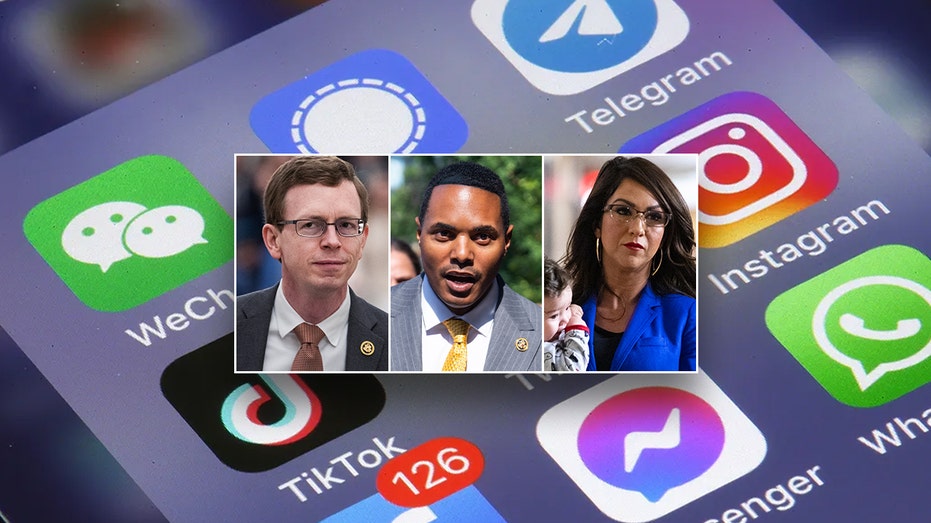
A wave of concern is sweeping across the United States, ignited by Australia’s recent, decisive action: a nationwide ban on social media for anyone under sixteen. The move has prompted urgent calls from American lawmakers, spanning the political spectrum, demanding similar protections for young people here.
While Congress has taken initial steps towards online safety – primarily focusing on data privacy for minors – a comprehensive overhaul of social media access and design remains elusive. The core question isn’t simply *how* to protect children online, but *who* decides who gets access in the first place.
Representative Ritchie Torres, a Democrat from New York, paints a stark picture, describing social media as a “catastrophe for the mental health of the next generation.” He believes a large-scale, uncontrolled experiment is underway, impacting the psychological well-being of young Americans.
Torres acknowledges the complexities, particularly concerning First Amendment rights, but firmly believes reform is essential. The challenge lies in balancing constitutional freedoms with the urgent need to safeguard vulnerable minds.
Republican Representative Dusty Johnson of South Dakota echoes the call for action, suggesting platforms possess the technological means to enhance safety. He highlights the ongoing debate about where responsibility lies – with the government, or with parents.
The chorus of voices urging change extends beyond Capitol Hill. Former White House Chief of Staff Rahm Emanuel, along with Senators Katie Britt, John Cornyn, and Brian Schatz, have all publicly advocated for stronger protections for children online.
Representative Ralph Norman, a Republican from South Carolina, believes a lack of awareness regarding the true dangers of social media contributes to congressional inaction. He emphasizes the escalating harm and the necessity of establishing age restrictions and tracking mechanisms.
However, not all Republicans are aligned on a complete ban. Representative Lauren Boebert of Colorado, a staunch advocate for free markets and federalism, expresses reservations about an “all-out ban,” preferring to explore alternative legislative solutions.
Boebert suggests that current leadership prioritizes issues disconnected from the concerns of everyday Americans, hindering the passage of meaningful legislation. The debate underscores a fundamental tension: protecting children versus upholding principles of freedom and economic liberty.
The situation in Australia has served as a catalyst, forcing a critical national conversation about the role of social media in the lives of young people and the responsibility of lawmakers to address its potential harms.


