Within the Democratic Party, a complex network of influence operates beneath the surface, a system built on decades of tradition and carefully cultivated power. It’s a world where allegiances matter, and understanding the key players is crucial to grasping the party’s direction.
This influence isn’t distributed evenly. Instead, it’s concentrated within what can be described as five distinct “families,” each with its own priorities, strengths, and ambitions. These groups aren’t necessarily at odds, but their interests often diverge, creating a subtle but constant tension that shapes the party’s landscape.
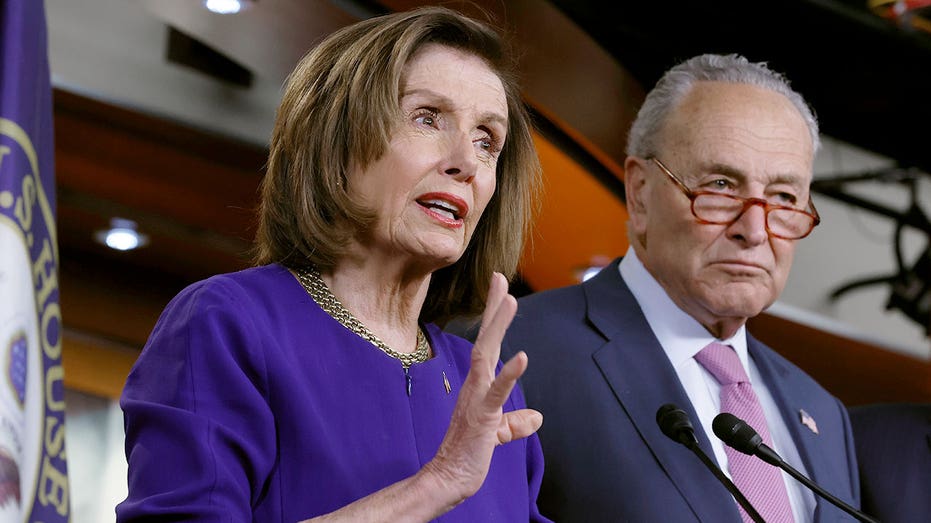
For years, Nancy Pelosi’s San Francisco family was considered a progressive outlier. Now, through strategic maneuvering, it has risen to become the most powerful of the five. Pelosi not only sidelined a potential rival but also championed Kamala Harris as a successor, solidifying her family’s control.
The ascent continues with Gavin Newsom, another figure from San Francisco, currently leading in presidential primary polls. This demonstrates the family’s remarkable ability to place its members in positions of national prominence, even as the party evolves.
However, San Francisco’s dominance faces a growing challenge from the Minneapolis family, a rising force on the left. Led by figures like Ilhan Omar, this group advocates for policies centered on reparations and a vision of societal change that prioritizes specific communities.
Central to the Minneapolis family’s strategy is Mayor Jacob Frey, who navigates a delicate balance between appealing to his base and projecting an image that resonates with a broader audience. This family, though currently smaller, possesses a potent and potentially disruptive energy.
New York, historically the most influential family within the party, is currently experiencing internal turmoil. Despite the leadership of Chuck Schumer and Hakeem Jeffries, a new generation of ambitious politicians is challenging the established order.
Alexandria Ocasio-Cortez has emerged as a key figure, building a socialist coalition that is gaining momentum in local elections. This creates friction with the older guard, particularly regarding issues like Israel, where differing perspectives clash.
Barack Obama, traditionally considered a unifying figure and the party’s “boss of bosses,” is seeing his influence wane. His Chicago-style approach, which often masked progressive ambitions with a veneer of moderation, no longer resonates with a significant portion of the electorate.
JB Pritzker is attempting to fill this void, positioning himself as a vocal opponent of the opposing party and seeking to establish a national profile. He represents a shift towards a more direct and unapologetic embrace of progressive ideals.
The South Carolina family, led by Jim Clyburn, remains a stabilizing force, adhering to traditional political strategies. Clyburn is actively working to elevate the Palmetto State’s primary to a position of national importance, increasing his family’s influence in the selection of future candidates.
Clyburn has consistently acted as a gatekeeper, thwarting the presidential ambitions of candidates deemed too far to the left. Whether he can maintain this control in the face of a rising tide of progressive sentiment remains to be seen.
Over the coming years, these Five Families will engage in a subtle but intense struggle for control of the Democratic Party. The outcome of this internal battle will determine who emerges as the party’s nominee and, ultimately, who has the best chance of shaping the future of the nation.
The stakes are high, and the competition will be fierce, as each family seeks to make an offer to American voters that cannot be refused.