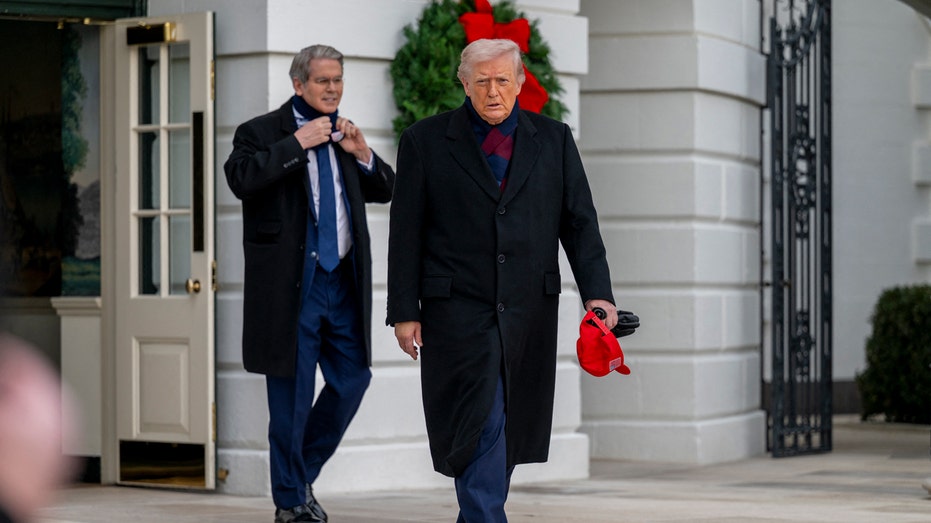
A wave of grief and a promise of retribution swept from the White House Saturday as President Trump addressed the ambush that claimed the lives of two U.S. Army soldiers and an American interpreter in Syria. The attack, carried out by a lone ISIS gunman, struck as the service members were engaged in a critical mission, leaving a nation to mourn and demanding a response.
The president, speaking as he departed for the Army-Navy game, confirmed that three additional soldiers were wounded in the brazen assault. He offered a reassuring note, stating they were receiving care and “doing well,” but the shadow of loss hung heavy over his words. The injured were swiftly transported by helicopter to the al-Tanf garrison, a strategic outpost near the Syrian border with Iraq and Jordan.
Later, through a direct message, the President vowed “very serious retaliation” against ISIS. He emphasized the attack occurred within a volatile region of Syria, one not entirely under the terrorist group’s control, and highlighted the condemnation from Syrian President Ahmed al-Sharaa, who expressed outrage at the violence.
Details emerging from the Pentagon reveal the soldiers were actively engaged in a key leader engagement – a vital component of the ongoing counter-ISIS and counter-terrorism operations in the region. This wasn’t a random act; it was a deliberate strike against those working to dismantle the terrorist network.
The immediate threat was neutralized when partner forces swiftly eliminated the gunman. However, the focus now shifts to the broader implications of the attack and the anticipated response. The identities of the fallen soldiers are being withheld out of respect for their families, with notification procedures underway.
The U.S. military presence in Syria has been gradually decreasing, currently standing at approximately 1,500 troops as of June. Plans were in motion to further reduce that number to a few hundred by the end of the year, a reflection of evolving strategic priorities.
Initially, the U.S. maintained eight bases within Syria, dedicated to monitoring ISIS activity following intervention in 2014 to prevent the establishment of a caliphate. Over time, three of those bases have been either closed or transferred to the control of the Syrian Democratic Forces, signaling a shift in operational approach.
This attack serves as a stark reminder of the persistent threat posed by ISIS, even as the group’s territorial control has diminished. It underscores the continued need for vigilance and a resolute commitment to counter-terrorism efforts in the region, and the promise of a forceful response hangs in the balance.


