Bondi Beach, an Australian icon synonymous with sunshine and carefree joy, became the scene of unimaginable horror on Monday. A Hanukkah celebration, a festival of light, was shattered by gunfire, leaving fifteen people dead, including a child, in what authorities are calling an act of antisemitic terrorism.
The attack unfolded swiftly, turning a vibrant gathering into a desperate scramble for safety. Witnesses described a scene of pure chaos – families enjoying a summer evening suddenly fleeing in terror as shots rang out. Thousands had come to Bondi, drawn by the promise of festivities, including face painting and a petting zoo, unaware of the darkness that was about to descend.
Police identified the perpetrators as a father and son, a 50-year-old man and his 24-year-old son. The father was fatally shot by police after opening fire, while the son was wounded and taken into custody. Authorities had previously known the older man, but had no indication of a planned attack, a chilling revelation that raises profound questions.
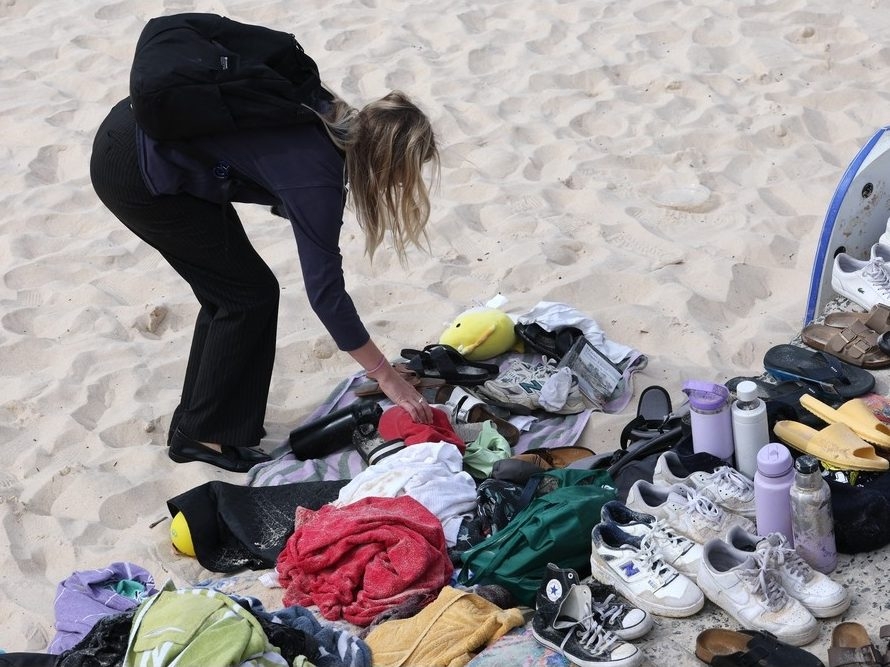
The victims ranged in age from ten to eighty-seven, representing a devastating cross-section of the community. At least forty-two others were hospitalized, many fighting for their lives. Among those identified were Rabbi Eli Schlanger, a beloved leader within the Bondi Chabad community, and Dan Elkayam, a French citizen, their lives tragically cut short.
Stories of heroism are beginning to emerge amidst the grief. Ahmed al Ahmed, a local fruit shop owner, is being hailed as a hero after reportedly tackling one of the gunmen, disarming him and potentially saving countless lives. His courageous act stands as a beacon of hope in the face of unspeakable tragedy.
Arsen Ostrovsky, a lawyer who had recently immigrated to Australia from Israel, was grazed by a bullet during the attack. “What I saw today was pure evil, just an absolute bloodbath,” he recounted from his hospital bed, expressing disbelief that such violence could occur in Australia.
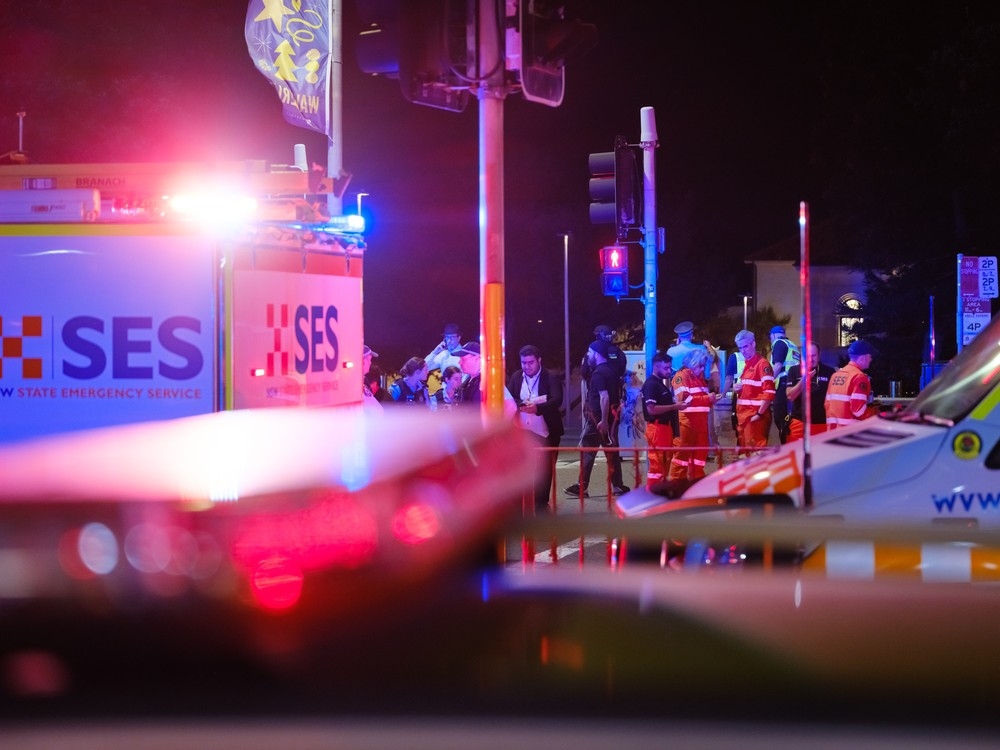
The massacre has ignited a national conversation about antisemitism, a growing concern in Australia. Incidents of hate have surged in the past year, fueled by global events, with synagogues and Jewish businesses targeted by violence and vandalism. The attack on Bondi Beach has laid bare the vulnerability of the Jewish community and the urgent need for action.
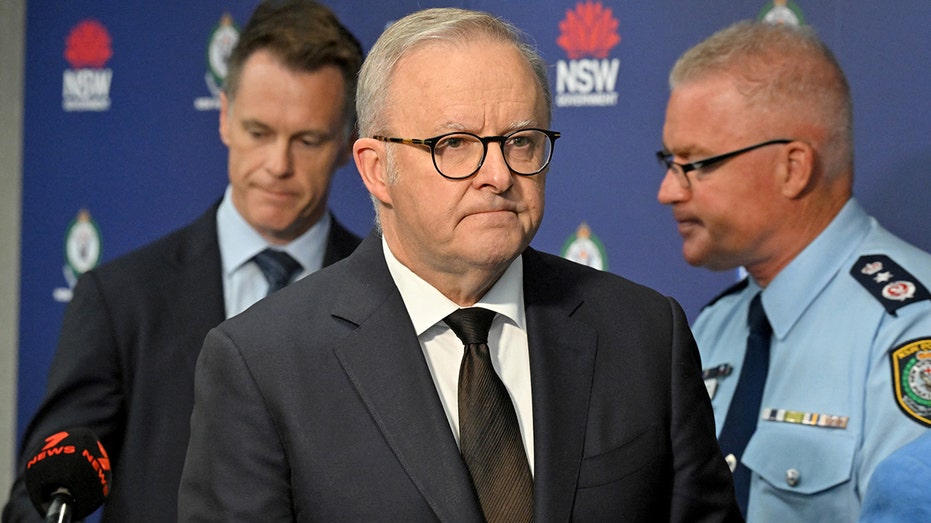
Australia’s Prime Minister Anthony Albanese condemned the attack as an act of “pure evil,” vowing national unity and a commitment to protecting the Jewish community. However, critics, including Israel’s Prime Minister Benjamin Netanyahu, argue that more could have been done to prevent this tragedy, pointing to a perceived lack of decisive action against rising antisemitism.
The investigation is ongoing, with police meticulously examining the evidence, including two rudimentary explosive devices discovered at the scene. The tragedy is also prompting a renewed debate about Australia’s gun laws, already among the strictest in the world, and how the gunman was able to acquire six firearms.
World leaders have expressed shock and grief, with messages of condolence pouring in from across the globe. King Charles III and the United Nations Secretary-General Antonio Guterres joined a chorus of voices condemning the attack and offering support to the Jewish community and the people of Australia.
Bondi Beach, once a symbol of Australian freedom and joy, is now forever marked by this horrific act of violence. The nation mourns, grappling with the profound loss and the unsettling realization that even in paradise, darkness can find a way to intrude.