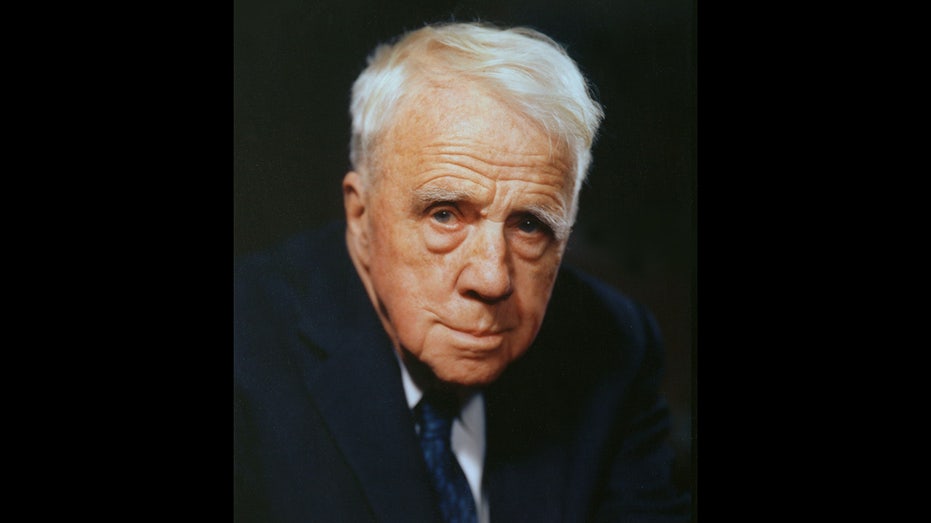
For centuries, the English-speaking world celebrated male poets – from Shakespeare’s timeless plays to Frost’s evocative verses. These were figures of renown, their words shaping culture and reflecting the spirit of their age. Yet, a shift has occurred, a quiet diminishing of the male voice within the realm of poetry.
This wasn’t a natural evolution, but a deliberate reshaping. A belief took hold within academic and publishing circles that women’s voices had been historically overshadowed, and a corrective was needed. The unintended consequence was a subtle discouragement of men pursuing the art form, a suggestion that poetry wasn’t for them.
The idea that literary pursuits are inherently feminine is a historical distortion. Throughout history, powerful men have sought inspiration from the muse, finding solace and expression in verse. Consider King David, whose psalms resonate with strength and devotion even today.
Perhaps the most poignant example arose from the horrors of World War I. The trenches birthed a generation of poets – Sassoon, Kilmer, Owen, Graves – who transformed the brutality of war into enduring literary masterpieces. Their work wasn’t delicate; it was raw, honest, and profoundly masculine.
Robert Graves’ “The Next War” offers a chillingly prescient vision, depicting the cyclical nature of conflict with stark realism. The poem’s imagery, of children playing at war, underscores the tragic inevitability of violence and the loss of innocence.
Graves emerged from a lineage of poets like Rudyard Kipling, whose works like “If—” served as a moral compass for generations of men. Kipling’s verse wasn’t merely poetry; it was a code of conduct, urging resilience, self-reliance, and unwavering integrity.
“If you can fill the unforgiving minute / With sixty seconds’ worth of distance run,” Kipling wrote, “Yours is the Earth and everything that’s in it.” This wasn’t an invitation to sensitivity, but a call to action, a demand for strength and purpose.
Where are the modern Kiplings, the Cummings, the Eliots? The decline isn’t due to a lack of talent, but a cultural messaging that subtly devalues the literary arts for men. It’s a message that equates sensitivity with weakness, and creativity with effeminacy.
Joseph Massey, a contemporary poet, observes that postmodernism, as filtered through academia, has “neutered poetry.” He recalls Whitman’s call for verse that is “transcendent and new… large, rich, and strong,” a quality desperately needed in a world grappling with uncertainty.
Massey rightly points out that poetry is “far from a eunuch’s hobby,” despite the prevailing narrative in many MFA programs. It’s an act of conquest, a triumph of intellect and imagination, a forceful engagement with the world.
The urge to create poetry is fundamental, perhaps even predating language itself. Early verse likely served as a means of courtship, a way for men to demonstrate their wit, intelligence, and devotion. It’s a tradition with a proven track record.
There’s reason for optimism. Christopher Nolan’s upcoming adaptation of “The Odyssey” may reintroduce Homer’s epic to a new generation, and the nation’s 250th birthday offers an opportunity to celebrate America’s literary heritage.
But ultimately, we must dismantle the notion that poetry is somehow incompatible with masculinity. It’s a false dichotomy, a limiting belief that stifles creativity and diminishes the human spirit. True strength lies not in suppressing emotion, but in expressing it with clarity and power.
Give a young man Kipling for fortitude, Yeats for passion, Eliot for wisdom, and Frost for groundedness, and he will be equipped to navigate the complexities of life. He will be immune to manipulation and guided by a strong moral compass.
The real tragedy isn’t simply that young men aren’t reading poetry; it’s that they aren’t writing it. Without their voices, without their perspectives, we risk losing a vital source of beauty, insight, and enduring wisdom. Where will the “poor, marvelous words” of the future come from if not from those who dare to create them?