A hidden network of roughly 1,000 aging oil tankers, operating in the shadows and deliberately evading international sanctions, has become a focal point for both the United States and Ukraine. This “dark fleet,” as maritime intelligence analysts call it, represents a growing geopolitical threat and a looming environmental disaster.
Michelle Wiese Bockmann, a leading expert in maritime intelligence, warns these vessels are not simply transporting oil; they are a critical lifeline for regimes under pressure, directly funding conflicts and illicit activities. The oil carried on these tankers fuels the war in Ukraine and bolsters the controversial Maduro regime in Venezuela.
This situation marks a significant shift in strategy for both Washington and Kyiv. Recent U.S. seizures of tankers in the Caribbean and daring Ukrainian drone strikes in the Black Sea signal a coordinated effort to dismantle this network and cut off vital revenue streams.
The core of the problem lies in the age and condition of these ships. Many are decades old, operating with minimal oversight and often lacking proper insurance. Bockmann paints a stark picture: a billion-dollar oil spill is not a possibility, but a growing probability.
A substantial portion of this fleet – between 350 and 400 vessels at any given time – actively conceal their identities through deceptive practices. They fly false flags, manipulate tracking data, and even register with fraudulent authorities, effectively becoming stateless and uninsured.
This deliberate obfuscation creates a dangerous situation for crews, the environment, and international maritime safety. Vessels operating outside the bounds of established regulations pose a significant risk to navigation and are ill-equipped to respond to emergencies.
The tankers frequently employ a technique called AIS spoofing, broadcasting false location data to mask their true movements. This allows them to exploit loopholes in international maritime law, claiming “innocent passage” and avoiding interception.
The U.S. is utilizing legal avenues, including Article 110 of the United Nations Convention on the Law of the Sea, to board and seize stateless vessels. This allows authorities to remove these ships from global trade, disrupting the flow of sanctioned oil.
The recent seizure of the tanker Skipper, found to be masking its location and sanctioned since 2022, exemplifies this approach. The vessel was carrying 1.8 million barrels of uninsured oil – a catastrophic environmental risk waiting to unfold.
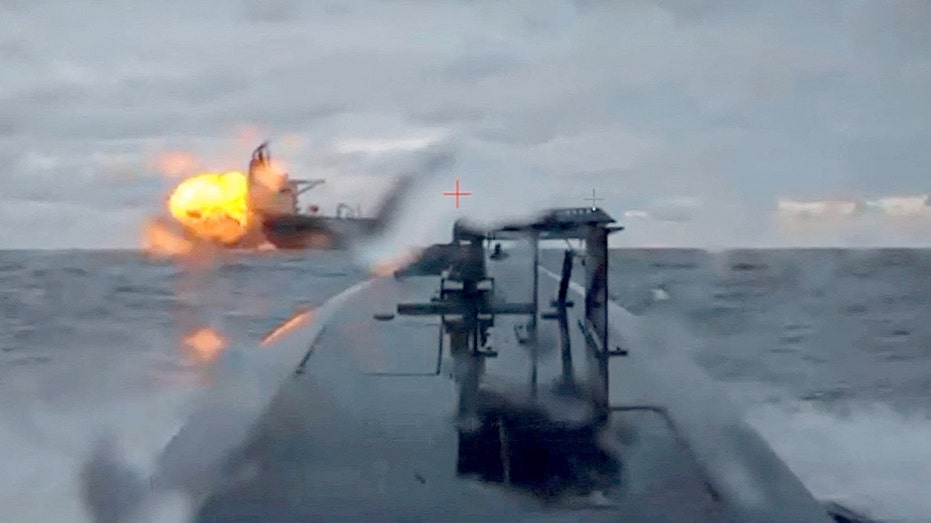
Ukraine’s strategy focuses on directly targeting the tankers themselves, utilizing naval drones to disable vessels supporting Russia’s oil exports. Notably, the initial targets were in ballast, meaning they weren’t actively carrying oil, and were also operating under false flags, specifically from Gambia.
The use of false flags isn’t limited to the Black Sea. The Skipper, seized by the U.S., was flying the flag of Guyana. This pattern highlights a systemic effort to evade detection and accountability within the dark fleet.
These actions represent a new phase in countering what analysts describe as “gray-zone aggression” – tactics designed to circumvent traditional sanctions and maintain the flow of illicit revenue. The stakes are high, with both economic and environmental consequences looming large.