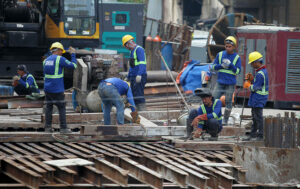
A critical impasse has halted progress on the Philippines’ proposed P6.793-trillion national budget for 2026, threatening a standstill in nearly 10,000 infrastructure projects. Lawmakers in the Senate and House of Representatives abruptly canceled a crucial meeting, locked in a dispute over funding for the Department of Public Works and Highways (DPWH).
At the heart of the conflict lie deep concerns about corruption, specifically within flood control projects. The Senate, led by Finance Committee Chairman Sherwin Gatchalian, previously slashed P45 billion from the DPWH’s proposed budget, citing evidence of overpriced materials and questionable procurement practices. This move has triggered a fierce debate with the House of Representatives.
The House Appropriations Committee, headed by Representative Mikaela Angela Suansing, warns of dire consequences if the cuts remain. Roughly P406 billion worth of infrastructure is at risk, with a potential loss of P101 billion if even a quarter of these projects become impossible to implement. The urgency is palpable, as a failure to reach an agreement could result in a reenacted budget, effectively freezing development.
The Senate stands firm on its position, refusing to compromise on transparency and fiscal responsibility. Gatchalian emphasized a zero-tolerance policy for inflated costs, signaling a determination to safeguard public funds. This stance directly challenges the DPWH’s appeal for the restoration of the cut funds.
The Marcos administration, however, is advocating for the full restoration of the DPWH budget. Press Officer Clarissa Castro revealed President Marcos Jr. recognizes the vital role of DPWH spending in fueling economic growth and is aware of Secretary Vivencio Dizon’s plea. The administration believes these projects are essential for national progress.
Secretary Dizon argues the restored funds wouldn’t be directed towards the controversial flood control projects, but instead allocated to roads, bridges, and other infrastructure vital for economic acceleration. He pointed to the recent economic slowdown – a mere 4% growth in the last quarter – attributing it, in part, to reduced public expenditure, particularly in infrastructure.
With the December 22 deadline rapidly approaching, the pressure is mounting on both chambers to reconcile their differences. Every day lost brings the nation closer to a reenacted budget, stalling critical development initiatives. Technical teams are working tirelessly, recognizing the gravity of the situation.
This budget represents the largest in Philippine history, reflecting a national commitment to infrastructure as a cornerstone of economic strategy. The current deadlock isn’t simply about numbers; it’s a battle over accountability, transparency, and the future of the nation’s development. The outcome will determine the fate of thousands of projects and the trajectory of the Philippine economy.
President Marcos aims to sign the final spending plan by December 29, but that timeline hinges on a swift resolution to the current impasse. The coming days will be crucial as lawmakers navigate these complex negotiations, striving to balance fiscal prudence with the urgent need for sustained development.