The silence surrounding Ana Walshe’s disappearance began on New Year’s Day, 2023, after a quiet gathering at her Massachusetts home. She was 39, a successful real estate executive, and a Serbian immigrant building a life in America. But within hours, a chilling narrative began to unfold, one that would ultimately lead to a stunning verdict.
Her husband, Brian Walshe, initially claimed Ana had left unexpectedly for an urgent work trip to Washington D.C., arranging a ride to the airport. This story quickly unraveled. Her employer reported no such trip existed, and evidence revealed Ana never even attempted to board a flight. Her phone, credit cards – all remained untouched, a stark contrast to a woman supposedly embarking on business.
Investigators soon discovered a disturbing digital trail. Brian Walshe had been relentlessly searching online for phrases like “how long before a body starts to smell,” and chillingly specific instructions on dismemberment, even detailing the use of a hacksaw. These searches painted a grim picture, a desperate attempt to understand and conceal something horrific.

The prosecution argued that Ana Walshe was dead, a victim of her husband’s deliberate act. They presented evidence of Brian’s frantic activity on New Year’s Day – not a trip to the airport, but a series of visits to pharmacies and hardware stores, purchasing heavy-duty cleaning supplies, a protective suit, and a utility knife. A chilling preparation for a gruesome task.
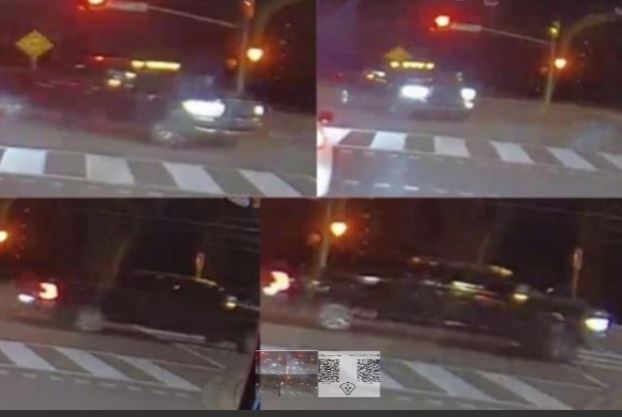
Surveillance footage emerged, showing a figure resembling Brian Walshe discarding large, heavy bags into dumpsters. This led to a painstaking search of a nearby trash facility, where investigators recovered a disturbing collection of items: a hatchet, a hacksaw, towels stained with evidence, and even Ana’s Prada purse and Covid vaccination card.
Crucially, many of these items tested positive for Ana’s DNA. The prosecution argued that Brian Walshe hadn’t simply panicked after finding his wife deceased; he had meticulously planned her disposal, driven by a marriage in crisis and a desperate need to conceal his actions. He didn’t want her found, or the truth revealed.

The court also heard testimony regarding Ana’s personal life, revealing a relationship with another man. This detail, while adding complexity, didn’t diminish the core argument: Brian Walshe’s calculated actions following his wife’s disappearance. The prosecution asserted he needed Ana gone.
Brian Walshe chose not to testify in his own defense, and his legal team presented no witnesses. Their closing arguments centered on portraying him as a loving husband and father, a man with no conceivable motive for such a brutal act. But the evidence, meticulously presented by the prosecution, told a different story.
The jury ultimately delivered a guilty verdict of first-degree murder. There was no visible reaction from Brian Walshe as the verdict was read, his gaze fixed forward as he was led away in handcuffs and shackles. He now faces a life sentence, the culmination of a case that shocked a community and revealed a chilling betrayal.

Ana Walshe’s body has never been recovered, leaving a lingering pain for her family and a haunting reminder of the darkness that can exist hidden behind closed doors. The truth, though agonizing, has finally been revealed, bringing a measure of closure to a tragic and disturbing case.