A chilling plot to unleash violence upon a Christmas market in Germany has been disrupted, revealing a disturbing escalation of threats targeting festive gatherings. Authorities arrested five men – three Moroccans, an Egyptian, and a Syrian – suspected of meticulously planning a vehicle-ramming attack intended to inflict maximum casualties.
The alleged mastermind, a 56-year-old Egyptian man identified as an imam, reportedly issued a call for a devastating attack, explicitly aiming to kill or injure as many people as possible. The Moroccan suspects are accused of agreeing to carry out this horrific act, while the Syrian man allegedly provided encouragement and support.
This foiled attack isn’t an isolated incident. Just days prior, tragedy struck a Hanukkah celebration in Australia, and a similar vehicle attack in Guadeloupe left at least ten dead and nineteen wounded. These events paint a grim picture of escalating danger during a season meant for joy and celebration.
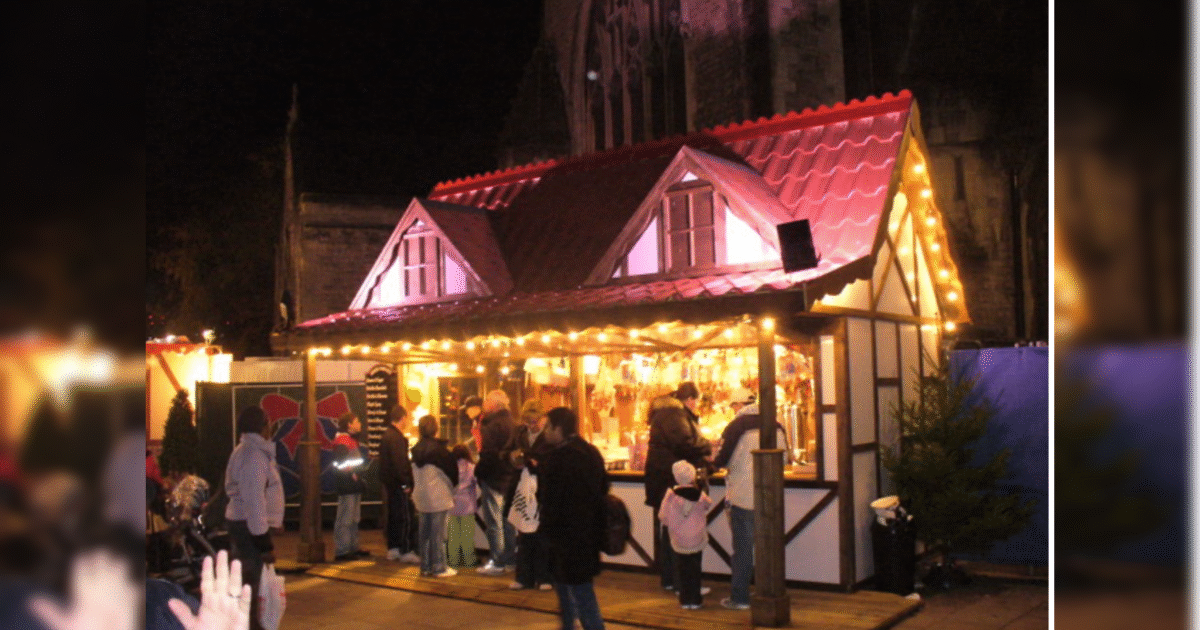
The planned attack was believed to be focused on a market in the Dingolfing-Landau area, northeast of Munich, though the precise timing remained undisclosed. Bavarian authorities credit strong cooperation between security services with preventing what could have been a catastrophic event.
The shadow of fear is now lengthening over Christmas markets across Europe and the UK. Many are being forced to close, scale back operations, or implement heavy security measures – a stark transformation of spaces once defined by warmth and community.
This shift represents more than just increased security; it signifies a shrinking of public life. The simple pleasure of sharing hot chocolate and creating cherished memories with family is now overshadowed by the presence of armed guards, a chilling symbol of a world increasingly threatened by extremism.
The 2024 attack in Magdeburg, Germany, where a driver deliberately plowed through a Christmas market, claiming eleven lives and injuring dozens more, serves as a haunting reminder of the potential for devastation. The current situation underscores a troubling trend – the deliberate targeting of cultural and religious celebrations.
As radicalization continues to spread, the very fabric of communal life is being eroded. The festive atmosphere, once a beacon of hope and togetherness, is now laced with anxiety and the constant threat of violence, forcing a painful re-evaluation of safety and security.


