A chilling premonition hangs over Canada. Security experts and former diplomats are voicing a stark warning: a terror attack mirroring the recent deadly assault on Bondi Beach in Australia – where fifteen people lost their lives – is not a question of *if*, but *when*. The atmosphere of escalating hatred is creating a fertile ground for tragedy.
Artur Wilczynski, a former Canadian ambassador and senior national security official, expressed deep concern, stating that a single failure within Canada’s security apparatus could have devastating consequences. The vulnerability stems from a disturbing trend – the normalization of extremist ideologies within the country.
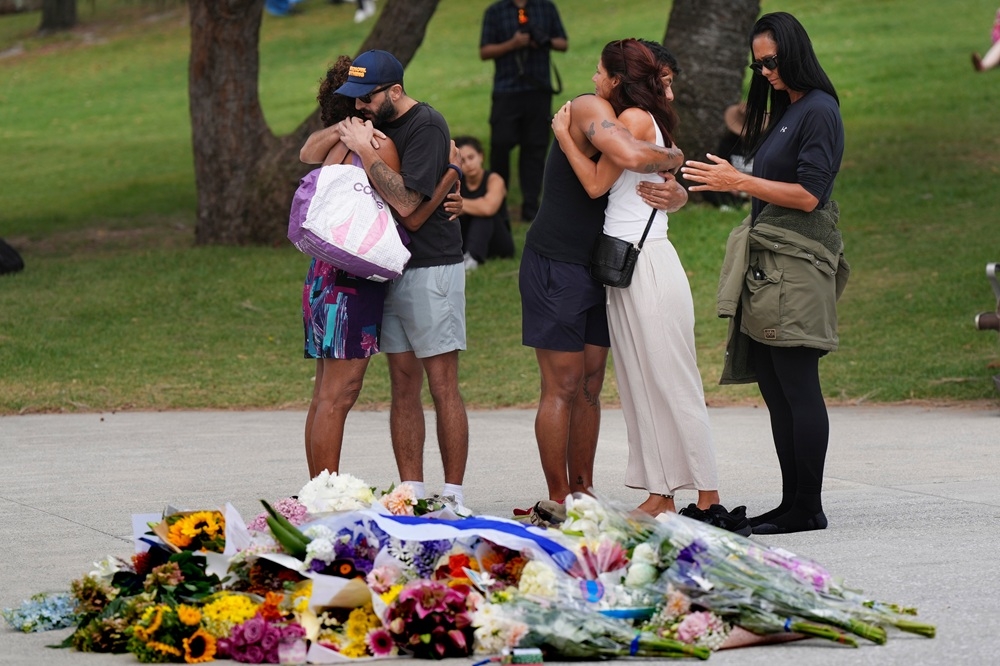
The attack in Australia, carried out by Sajid Akram and his son Naveed, unfolded during a Hanukkah event. The father was killed by police, while the son remains in custody. This horrifying act echoes a global surge in anti-Jewish sentiment, ignited by the events of October 7th, 2023, and the subsequent violence and atrocities committed.
Since that date, Canada has witnessed a dramatic increase in anti-Israel demonstrations, some spilling into Jewish neighbourhoods and fueled by increasingly radical rhetoric. Casey Babb, a senior fellow with the Macdonald-Laurier Institute, observes a dangerous shift – extremist language once confined to the shadows is now openly discussed in everyday spaces.
The data paints a grim picture. Terrorism-related charges in Canada have soared by nearly 500% in the year following October 7th. This surge isn’t happening in a vacuum; it’s a tangible manifestation of a growing radicalization within Canadian society, creating a palpable sense of impending crisis.
Former Canadian ambassador to Israel, Vivian Bercovici, places the blame squarely on officials and politicians who have allowed this extremism to flourish. She points to the blatant violation of Criminal Code provisions by protesters chanting for the annihilation of Israel, yet facing minimal consequences.
The response – or lack thereof – from law enforcement has drawn intense criticism. A particularly jarring incident involved a Toronto Police officer seen cheerfully delivering coffee to activists illegally occupying a major highway overpass, a symbol of perceived indifference and a breakdown in upholding the law.
This perceived inaction is eroding trust within the Jewish community, with many now questioning the willingness of police to protect them. The sentiment is stark: “Toronto Police just don’t care.” This growing distrust is a dangerous development, fostering fear and isolation.
Recent thwarted attacks reveal the extent of the threat. A 15-year-old in Ottawa was arrested in December 2023, allegedly plotting an attack targeting Jews, with police discovering explosive materials. In Edmonton, a man allegedly stormed City Hall armed with a rifle and Molotov cocktails, motivated by claims of “genocide” in Gaza.
The case of Zachareah Adam Quraishi, a former Canadian Armed Forces member who travelled to Israel with the intent to murder soldiers, and the arrest of a Toronto-area youth linked to a terrorist group, further underscore the escalating danger. These incidents are not isolated events; they are part of a disturbing pattern.
The arrest of Ahmed Fouad Mostafa Eldidi and his son, Mostafa, north of Toronto, bears a chilling resemblance to the Bondi Beach attack. Eldidi, a recent Canadian citizen, was allegedly involved in a foiled terror plot, and had previously appeared in a horrific ISIS torture video. This case highlights critical failures in immigration screening processes.
While security officials have successfully prevented numerous attacks, Babb warns that they can only contain the threat for so long. The sheer volume of potential threats and the speed of radicalization are pushing the system to its limits. The question isn’t whether another attack will happen, but when the inevitable will occur.