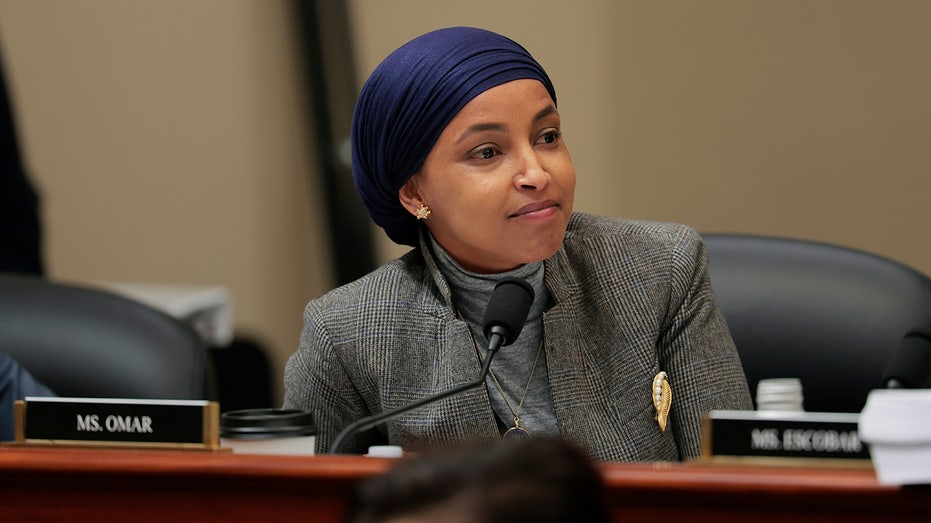
Representative Ilhan Omar revealed a deeply unsettling experience over the weekend: her U.S.-born son was stopped by Immigration and Customs Enforcement agents in Minnesota. The encounter, occurring outside a Target store, has ignited concerns about escalating immigration enforcement and the specter of racial profiling within the state.
According to Omar, her son was released after presenting his passport, a document he routinely carries due to a pervasive fear of being wrongly identified as an undocumented immigrant. This fear, she explained, stems from the current climate and the areas where ICE is concentrating its efforts.
The representative expressed her profound worry, stating she’s cautioned her son about the potential for being targeted simply because of his appearance. She believes ICE is specifically seeking out young men who resemble those of Somali descent, a claim that underscores a disturbing pattern of potential bias.
Minnesota Governor Tim Walz swiftly responded to the incident, taking to social media to condemn the stop as a clear case of racial profiling. He emphasized that the operation wasn’t focused on dangerous criminals, but rather appeared to be based on discriminatory practices.
This incident unfolded shortly after ICE announced the results of “Operation Metro Surge” in Minnesota, detailing the arrest of over 400 individuals. Officials highlighted the apprehension of individuals accused of serious crimes, including offenses like sexual assault and violent attacks.
The situation is further complicated by recent, highly charged rhetoric from former President Donald Trump. He has repeatedly made disparaging remarks about Omar and Somali migrants, labeling them with inflammatory language and suggesting they should be deported.
Governor Walz had previously written to the Secretary of Homeland Security, requesting a reassessment of enforcement strategies. His letter detailed reports of U.S. citizens being mistakenly arrested by ICE agents, raising serious questions about due process and the erosion of trust between communities and federal authorities.
The Department of Homeland Security responded by stating that arrests were made of individuals who allegedly assaulted and obstructed law enforcement officers. This response, however, does little to address the core concerns regarding the targeting of citizens and the potential for misidentification.
The incident involving Representative Omar’s son has amplified existing anxieties within Minnesota’s diverse communities, sparking a critical conversation about the balance between national security and the fundamental rights of all individuals, regardless of their origin or appearance.
This situation highlights a growing tension between federal immigration policies and the experiences of everyday citizens, raising urgent questions about accountability and the potential for systemic bias within law enforcement practices.


