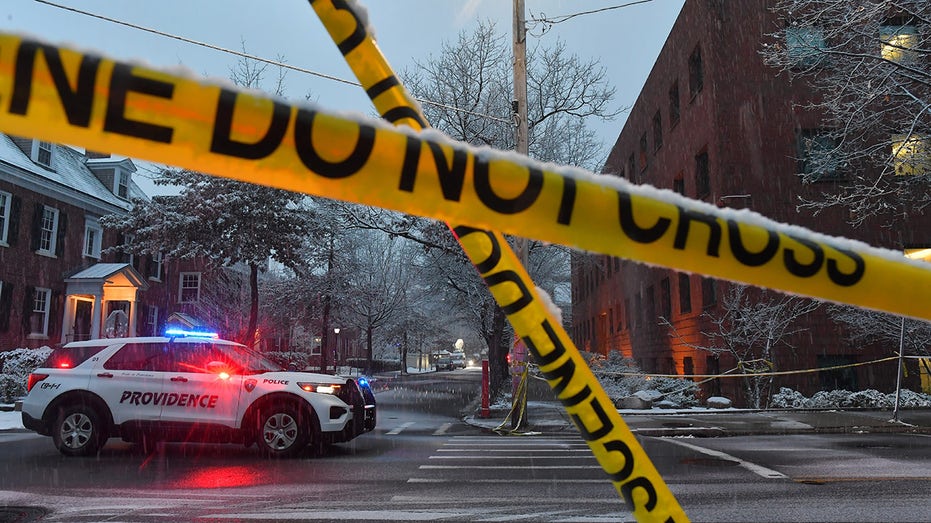
The news ripped through the Brown University campus Sunday night, a chilling echo of a trauma Sachi Gandhi already knew too well. A second-year biotech master’s student, she found herself reliving the terror of another campus shooting, this time closer to home.
Gandhi was safe in her off-campus home when the gunfire erupted, but the sound instantly transported her back to the University of North Carolina last year. She remembered the eight agonizing hours spent locked inside a lab, a prisoner of fear while a professor was tragically killed nearby.
The similarities were unsettling – the initial confusion, the frantic spread of misinformation, the overwhelming sense of dread. Though the Brown shooting involved multiple victims, a “mass casualty” as she described it, the emotional weight felt eerily familiar.
A collective sigh of relief swept across the campus when police announced a suspect was in custody. But that relief shattered less than a day later with the shocking news of the suspect’s release. Panic surged anew, leaving students feeling vulnerable and exposed.
Gandhi’s friends began to leave immediately, seeking safety elsewhere. Her parents, hearing the news in Georgia, didn’t hesitate – they started driving north, determined to bring her home. The swift release felt like a betrayal, a stark reminder of their fragility.
Her frustration wasn’t directed at the university itself, which she praised as an “amazing institution” with extensive security measures. Instead, it centered on a system that could apprehend a suspect and then, so quickly, let them go.
“It’s really messed up,” she said, questioning where taxpayer dollars were going if they couldn’t ensure basic safety. The incident left a deep sense of unease, particularly for those who remained on campus, grappling with lingering fear.
Both shootings, despite their differences, were defined by a shared experience: a suffocating fog of fear, confusion, and unreliable information. In both instances, no one truly knew what was happening, fueling the terror.
Amidst the fear, Gandhi witnessed a powerful display of community spirit. Students rallied to support one another, mirroring the resilience she’d observed at UNC. A small comfort in a deeply unsettling time.
But for many, the fear proved too overwhelming. Friends packed their belongings and left, unable to shake the feeling of insecurity. The campus, once a haven for learning, now felt profoundly unsafe.