A sweeping legal battle has erupted as former President Donald Trump filed a $10 billion lawsuit against the BBC, alleging defamation and unfair trade practices. The action centers around a documentary broadcast just before the recent presidential election, igniting a firestorm of controversy and accusations of deliberate misrepresentation.
The 33-page lawsuit paints a stark picture of a “brazen attempt” to interfere with the election, claiming the BBC crafted a “false, defamatory” portrayal of Trump. At the heart of the dispute lies the editing of a January 6, 2021, speech, a moment already steeped in historical significance and intense scrutiny.
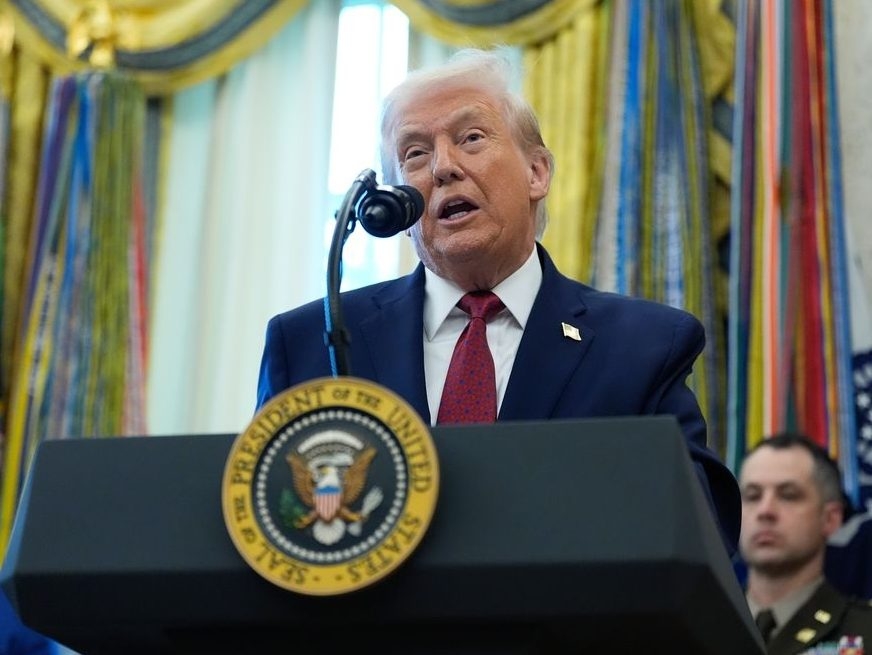
Trump alleges the BBC intentionally spliced together separate portions of his January 6th address, twisting his words to create a misleading narrative. Specifically, the lawsuit contends the broadcaster manufactured a single quote suggesting Trump urged supporters to march and “fight like hell,” omitting crucial context about his call for peaceful demonstration.
The BBC previously issued an apology for the edit, acknowledging an “error of judgment” that led to the resignations of its top executive and head of news. However, the broadcaster firmly rejected claims of defamation, setting the stage for the current legal confrontation.
The speech in question was delivered before the tumultuous events of January 6th, when supporters stormed the U.S. Capitol building as Congress prepared to certify the presidential election results. The documentary, titled “Trump: A Second Chance?”, aired days before voters headed to the polls, amplifying the impact of the contested edit.
Trump publicly stated he was suing the BBC for “putting words in my mouth,” emphasizing his belief that the broadcaster fabricated damaging statements. He described the original words as “beautiful,” focusing on themes of patriotism and positive messaging that he claims were deliberately excluded.
The lawsuit was filed in Florida, a strategic move given that deadlines for bringing the case in British courts have long passed. However, legal scholars are already questioning the viability of a U.S. case, considering the documentary was not originally broadcast within the country.
The BBC, a venerable 103-year-old institution funded by an annual license fee, is bound by its charter to maintain impartiality. This commitment often subjects the broadcaster to intense scrutiny and criticism from across the political spectrum, making this case particularly sensitive.
This legal challenge arrives amidst other high-profile defamation cases, including a recent lawsuit filed by the New York Times against the Pentagon over new press rules, and a previously dismissed defamation suit brought by Trump against CNN. The landscape of media accountability is clearly shifting, with significant implications for both broadcasters and public figures.