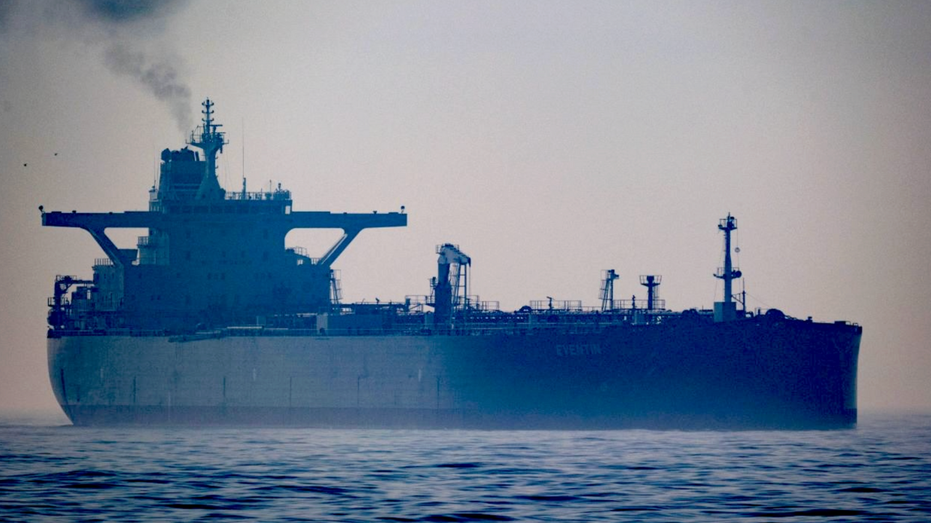
A shadow fleet of tankers, known as “ghost ships,” has emerged as a critical pathway for sanctioned nations to continue selling oil on the global market. These vessels operate in a clandestine world, deliberately obscuring their origins and movements to evade international sanctions. The recent seizure of the tanker “Skipper” by the U.S. has brought this hidden network squarely into focus.
This isn’t a handful of rogue vessels; the fleet comprises roughly 1,000 tankers quietly navigating the world’s sea routes. They are instrumental in moving oil from countries like Russia, Iran, and Venezuela, nations facing significant economic restrictions. The operation relies on a complex web of deception, designed to outwit authorities.
These “ghost ships” employ a variety of tactics to conceal their activities. They sail under false flags, frequently change names and ownership through shell companies, and even disable tracking systems to disappear from radar. Cargo is often transferred at sea, further masking the origin and destination of the oil.
The seizure of the “Skipper” is more than just a single victory; it’s a signal. Experts believe it’s a deliberate attempt to disrupt the flow of revenue to sanctioned regimes. The impact on Venezuela, whose economy is almost entirely dependent on oil sales, could be particularly significant.
Even a single successful interdiction can severely hamper a sanctioned nation’s ability to bypass restrictions and trade in oil. This directly threatens the economic stability of the regime and its capacity to operate. The U.S. administration has indicated this seizure is just the beginning of a broader effort.
Currently, a full investigative team is meticulously examining the “Skipper,” interviewing those on board and collecting evidence. The oil itself will be seized once the legal process is complete. This action is intended to send a clear message to those facilitating these illicit trades.
China plays a crucial role in this landscape, remaining the largest importer of Iranian oil and a major buyer of Russian crude. Much of this oil is transported via the very same network of nondescript tankers designed to evade sanctions. The demand fuels the growth of this shadow fleet.
Earlier this year, the tanker “Eventin,” previously known as “Charvi” and “Storviken,” was seized by German authorities after suffering engine failure. The vessel was found to be carrying approximately $45 million worth of Russian oil, highlighting the scale of the operation and the lengths to which it goes to remain hidden.
The challenge extends far beyond any single nation or incident. Disrupting this global network requires a coordinated international effort to address the systemic issues that allow these “ghost ships” to thrive. The future will likely see increased scrutiny and enforcement actions aimed at dismantling this clandestine system.