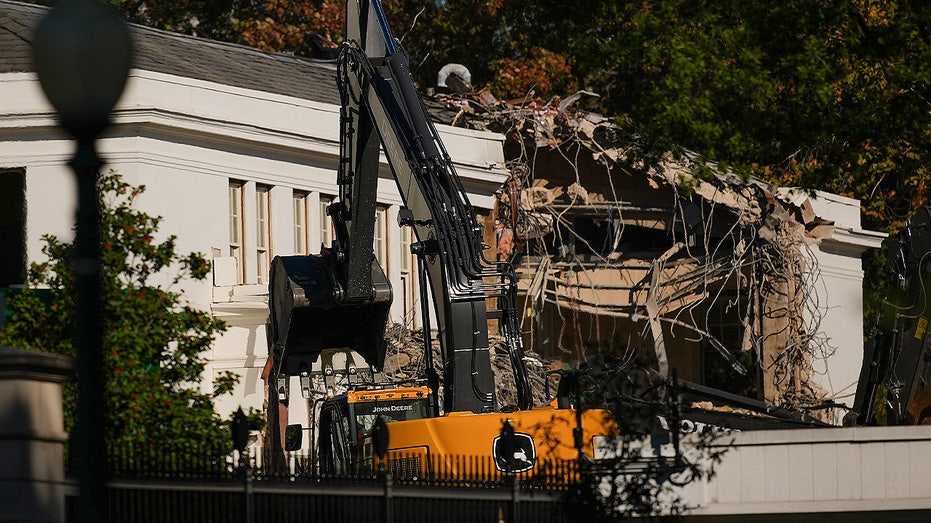
A shadow of uncertainty hangs over the planned White House ballroom, as a federal judge expressed reservations about halting construction, yet issued a stark warning to the administration: proceed at your own risk.
Judge Richard Leon, while leaning towards allowing the project to continue, made it clear that irreversible actions could have significant consequences. He scheduled another hearing for January, leaving the door open to potentially stopping the work altogether, and cautioned against any below-ground construction that would dictate the above-ground structure.
The legal battle centers not on the ballroom itself, but on the process. The National Trust for Historic Preservation argues that any construction on federal land demands congressional approval – a step they believe was bypassed in this instance.
Government lawyers countered with a claim of presidential authority, asserting the need to continue construction for critical national security reasons. They pointed to Secret Service concerns that pausing work would compromise the safety and security of the White House complex.
The administration revealed that the demolition of the East Wing in October paved the way for below-grade work, and leaving this unfinished would create unacceptable security vulnerabilities. The judge, however, remained unconvinced enough to demand caution.
The National Trust for Historic Preservation initiated the lawsuit last week, fearing the $300 million-plus project would dramatically alter the White House’s historic character. Architectural historians have warned this addition represents the most substantial exterior change in over eight decades.
While the administration maintains the lawsuit is premature, citing ongoing regulatory reviews and a planned start for above-ground construction in 2026, the Trust argues that early intervention is crucial to protect the White House’s legacy. The judge’s warning suggests he agrees, at least in part.
The courtroom exchange concluded with a simple, yet loaded, statement from Judge Leon: “See you in January.” The fate of the ballroom, and a piece of American history, now rests on the arguments presented then, and the administration’s adherence to the judge’s cautionary words.


![TRUMP UNLEASHES BOMBSHELL VISION – You Won't Believe What He Said! [VIDEO]](https://www.thegatewaypundit.com/wp-content/uploads/2025/12/img_1010-1200x630.jpg)

