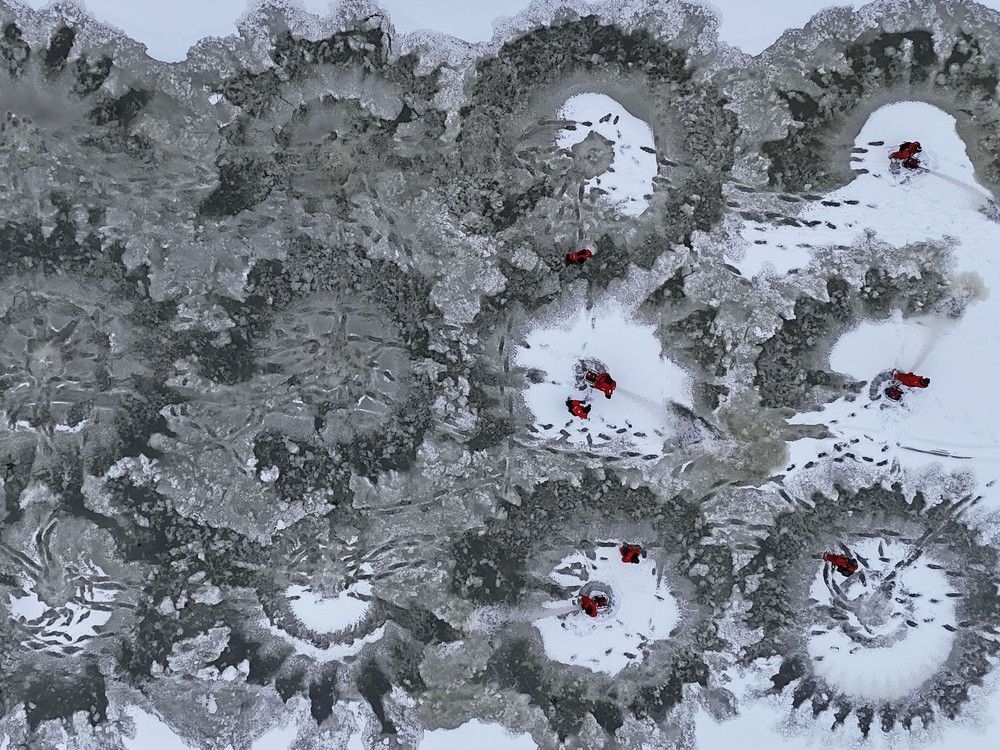
A splash of vibrant orange against the winter landscape signals the start of a beloved tradition. Crews are meticulously working to flood the Rideau Canal, preparing for the hopeful opening of the world-renowned Skateway this winter – though the exact date remains a delightful mystery.
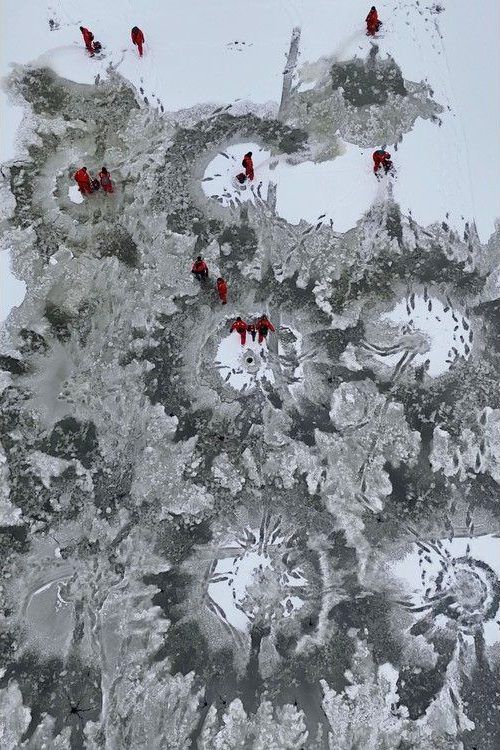
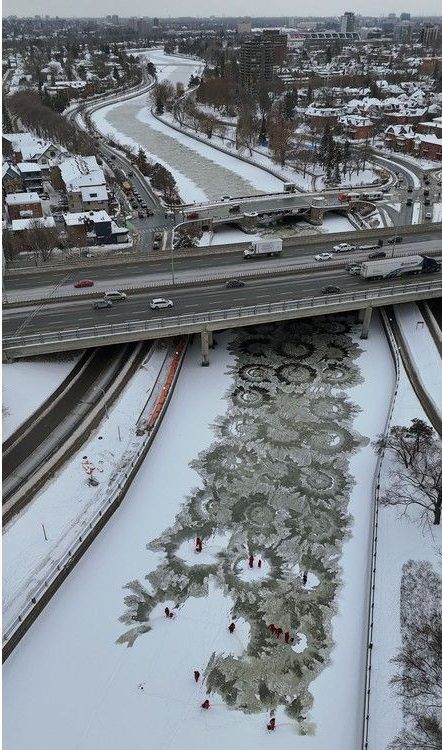
Dressed in full-body snowsuits, resembling figures from a whimsical tale, workers are spraying icy jets of water across the canal’s surface. These efforts, captured in stunning visuals, are the first steps in building the thick, safe ice that skaters eagerly anticipate each year.
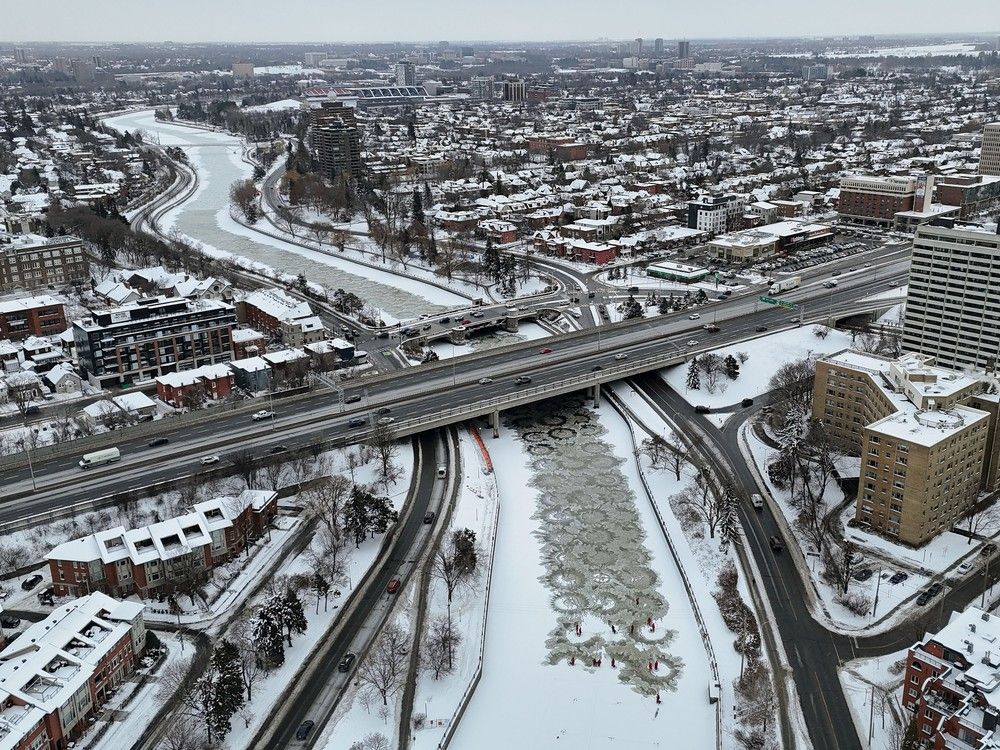
The initial flooding began Sunday, focusing on a stretch between Patterson Creek Bridge and Bank Street. The process involves drawing water from beneath the existing ice, carefully layering and thickening it to ensure a secure skating experience. For now, the canal remains off-limits to the public.
Consistently cold temperatures have provided a promising start to ice-building operations, according to the National Capital Commission. While a brief warm spell is expected, officials remain optimistic about minimal disruption to the process.
The Rideau Canal’s history as a skating haven stretches back to 1971, when a dedicated crew cleared a five-kilometre stretch with hand shovels. That initial opening was remarkably early, a feat yet to be repeated in the decades since.
In recent years, however, warmer temperatures have presented a growing challenge. The 2023 season was entirely closed, and skating seasons have become increasingly short, prompting serious discussions about the Skateway’s future.
Internal conversations within the NCC have even explored the possibility of augmenting the natural ice with a refrigerated system, similar to indoor rinks. This ambitious undertaking would require significant investment and thorough feasibility studies.
The current NCC CEO believes the Skateway is worth saving, questioning whether future generations should be deprived of this iconic experience. The debate centers on balancing natural conditions with proactive measures to ensure the Skateway’s longevity.
The annual preparation begins each September, with a dedicated team building and repairing the Skateway’s infrastructure. This includes installing ramps, staircases, chalets, and skate rental facilities within a tight three-week window.
Once the infrastructure is in place, the water level is raised, and the team patiently awaits the return of consistent cold. The ice crew then begins the meticulous process of watering and layering, gradually building the skating surface.
Beyond traditional methods, the NCC is exploring innovative solutions to combat the effects of climate change. This includes partnering with Carleton University researchers and utilizing lightweight “snobots” to clear snow without damaging the fragile ice.
A significant obstacle to ice formation is the discharge of warm, salty water from storm sewers. This influx, sometimes equivalent to nine Olympic swimming pools, disrupts the freezing process and creates a localized “heat island” effect.
The salt used on city roads further complicates matters, lowering the freezing point of the water and hindering ice development. This explains why the downtown portion of the canal often opens later than sections further south.
Despite these challenges, the dedication to preserving this cherished winter tradition remains unwavering. The Skateway represents more than just a skating rink; it’s a symbol of Ottawa, a source of countless memories, and an internationally recognized landmark.