A landmark decision by the Ontario government – mandating air conditioning in all nursing home rooms – has demonstrably saved lives, according to compelling new research. The study reveals a stark reality: extreme heat poses a significantly elevated risk of mortality for nursing home residents lacking access to cooling.
Researchers meticulously analyzed mortality rates in Ontario nursing homes during periods of extreme heat spanning 2010 to 2023. Prior to 2020, a majority of older facilities lacked air conditioning in individual resident rooms, leaving vulnerable individuals exposed to dangerous temperatures.
The urgency of the issue became tragically clear during the summer of 2020. Residents, confined to their rooms due to COVID-19 restrictions, endured sweltering heatwaves with no escape to cooler common areas. This crisis prompted a promise from Premier Doug Ford to make air conditioning a mandatory requirement.
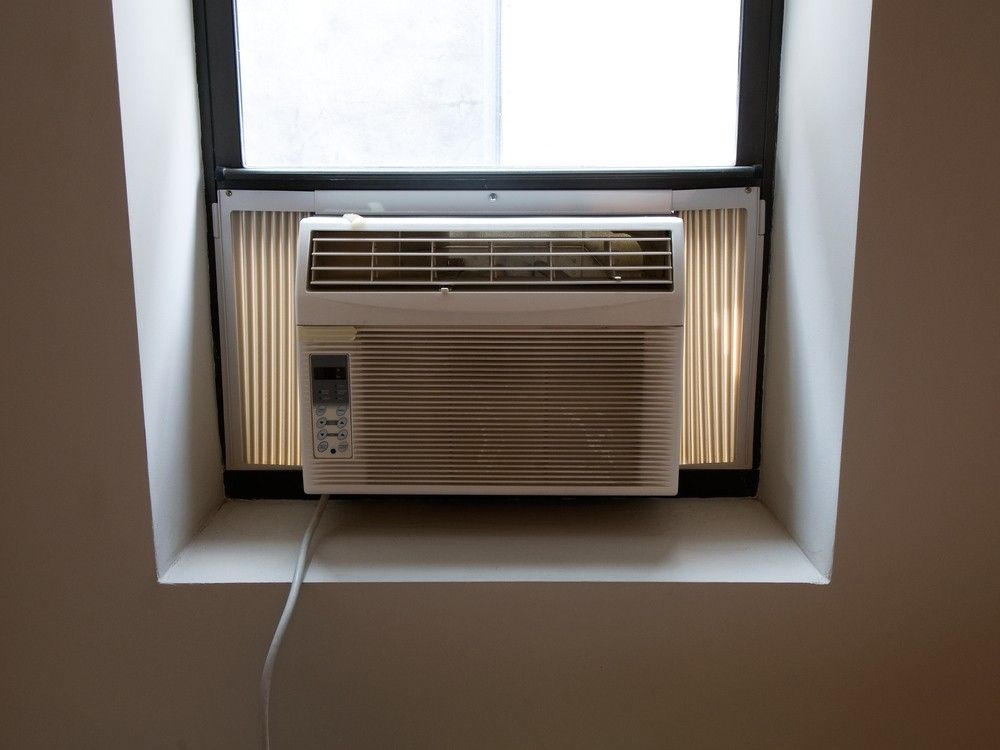
The implementation wasn’t immediate, but eventually, every nursing home resident in Ontario gained access to air-conditioned rooms. The impact was profound. Dr. Nathan Stall, a leading geriatrics specialist, explains that residents were demonstrably more likely to die during extreme heat events, but the risk plummeted with the introduction of air conditioning.
The data speaks volumes: the province-wide installation of air conditioning after 2020 resulted in an estimated 33 fewer deaths among nursing home residents during extreme heat days. This crossover study powerfully illustrates the life-saving potential of proactive public policy.
Dr. Stall emphasizes that air conditioning is no longer a comfort, but a critical health necessity. He hailed the government’s initiative as a “commendable” success story, a public policy achievement worthy of widespread recognition.

However, the research also casts a sobering light on the broader vulnerability to extreme heat. Many individuals, particularly those with limited resources, remain at risk without access to cooling, especially as extreme heat days become increasingly frequent.
The devastating 2021 British Columbia heat dome, which claimed 619 lives, tragically highlighted this disparity. The majority of victims were older adults residing in apartments without air conditioning, a pattern repeated across Canada.
Cities are beginning to respond. Toronto recently launched a program providing air conditioning to low-income seniors with health needs, mirroring similar initiatives in Portland, Oregon. These efforts acknowledge the growing need for accessible cooling solutions.
Seniors and long-term care residents are uniquely susceptible to heat-related illness due to factors like medication side effects and diminished ability to perceive and respond to heat stress. This heightened vulnerability underscores the urgency of addressing the issue.
The Ontario study raises critical questions about regions where air conditioning remains unmandated in nursing homes. It reveals a clear path toward protecting a vulnerable population, but also highlights the many isolated seniors who lack access to this essential safeguard.
The research delivers a powerful message: air conditioning is no longer a luxury, but a fundamental health need and a life-saving tool. Protecting our aging population from the dangers of extreme heat requires a commitment to ensuring equitable access to cooling for all.