A quiet shift is underway in the halls of power, a realignment stretching across the Atlantic. It began with a gala in Washington D.C., where members of Germany’s AfD party were guests of honor at a Republican Club event – a clear signal of burgeoning connections between Europe’s right wing and the Trump administration.
This isn’t an isolated incident. Across Europe, a surprising number of politicians openly admire the former US president and his policies. While seemingly paradoxical given Trump’s past criticisms of the European Union, the attraction runs deeper. These leaders find themselves drawn to Trump’s assertive style and a shared skepticism of established liberal norms.
Since Trump’s return to office, a core group of European politicians – from Hungary, Italy, the Netherlands, France, Germany, Spain, Austria, and Poland – have publicly voiced support. This isn’t merely individual admiration; it’s coalescing into a powerful, coordinated force.
Within the European Parliament, a new faction has emerged: Patriots for Europe. This grouping, comprised of parties like Hungary’s Fidesz and France’s National Rally, openly positions itself as pro-Trump, signaling a deliberate attempt to amplify his influence within European policy.
The US conservative movement is now actively cultivating these relationships, far more openly than during Trump’s first term. Experts describe a shift from subtle undercurrents to “official policy,” a deliberate strategy to bolster like-minded movements abroad.
One analyst noted the unprecedented nature of a US president openly expressing preferences in foreign elections, a practice previously considered a breach of diplomatic protocol. This new willingness to intervene marks a significant departure from historical norms.
In Germany, high-ranking AfD members are now regular attendees at conservative gatherings in the US. Party leader Alice Weidel has acknowledged receiving numerous invitations from Washington, hinting at further engagement.
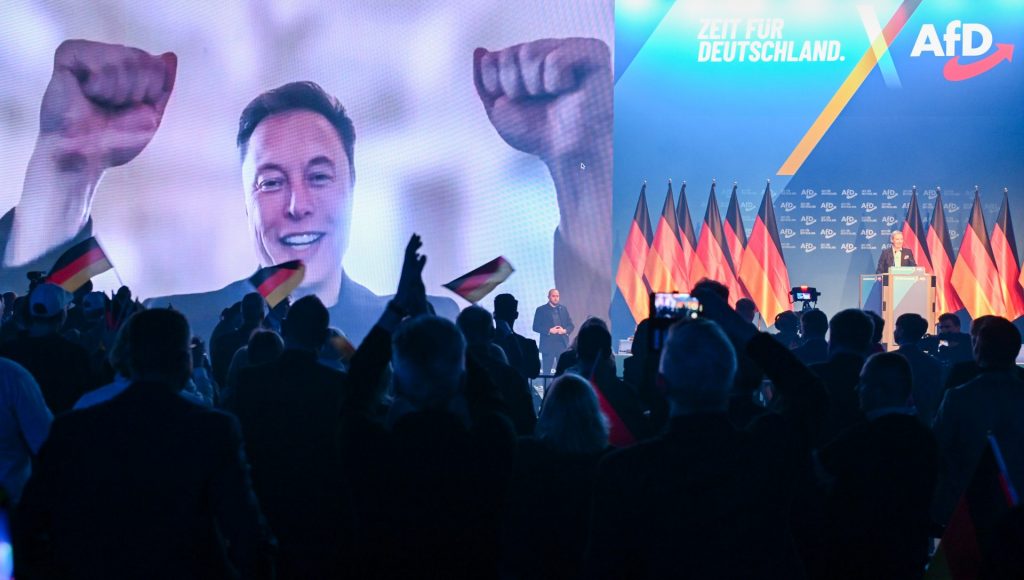
The ideological alignment between Trump’s MAGA movement and the AfD is striking. Both parties share similar approaches to migration, social policies, and a common narrative of fighting against perceived left-wing dominance in Western democracies. Key figures within Trump’s circle, including Vice President JD Vance and Elon Musk, have already publicly aligned themselves with the AfD.
France is witnessing a similar trend. Trump’s influence is being felt as his MAGA movement actively courts the far-right National Rally. Concerns are growing within French authorities about the potential impact on upcoming elections.
Louis Aliot, vice president of the National Rally, points to shared ground on issues like immigration and border security, as well as a rejection of “woke” culture. Recent polls even suggest the party’s leader, Jordan Bardella, could become president in 2027.
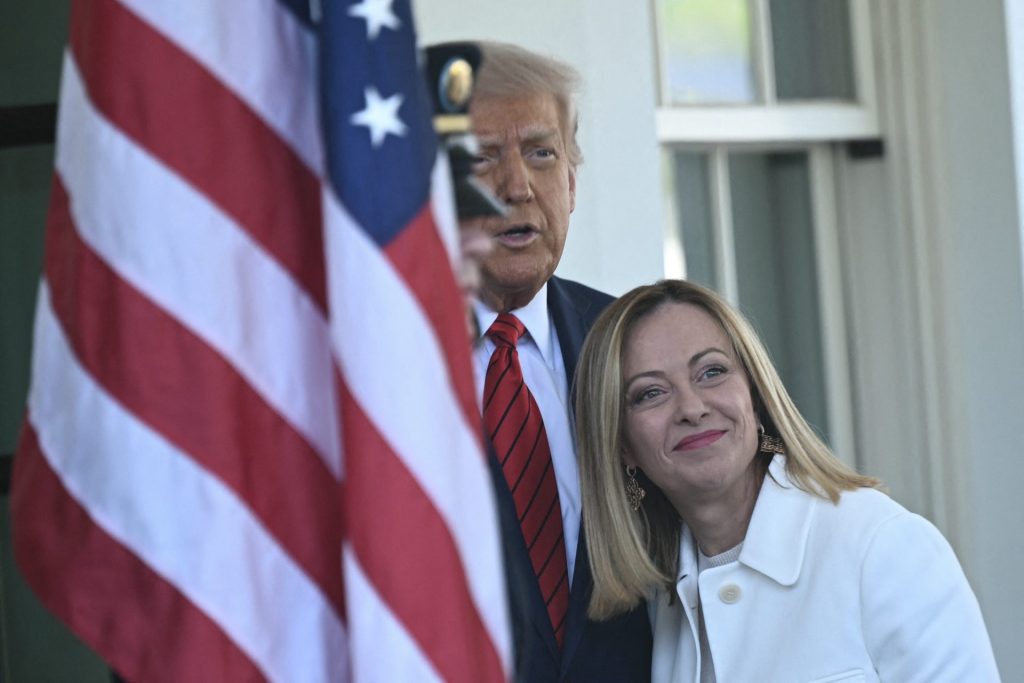
Italy’s Prime Minister Giorgia Meloni has emerged as a key ally, leveraging her personal relationship with Trump to act as a potential bridge between the US and the EU. She was the only European leader to attend Trump’s second inauguration.
However, the relationship isn’t without friction. Meloni has voiced concerns about US tariffs on EU exports, demonstrating a pragmatic approach alongside ideological alignment.
Hungary’s Viktor Orbán has received particularly favorable treatment, securing a one-year exemption from sanctions on Russian oil and gas following a meeting with Trump. The two leaders share similar political positions, particularly regarding the war in Ukraine.
Trump has repeatedly praised Orbán as a “peace president” and expressed support for his policies, even visiting him at Mar-a-Lago on multiple occasions. Despite the benefits, Hungary’s economy has been negatively impacted by Trump’s tariffs, adding complexity to the alliance.
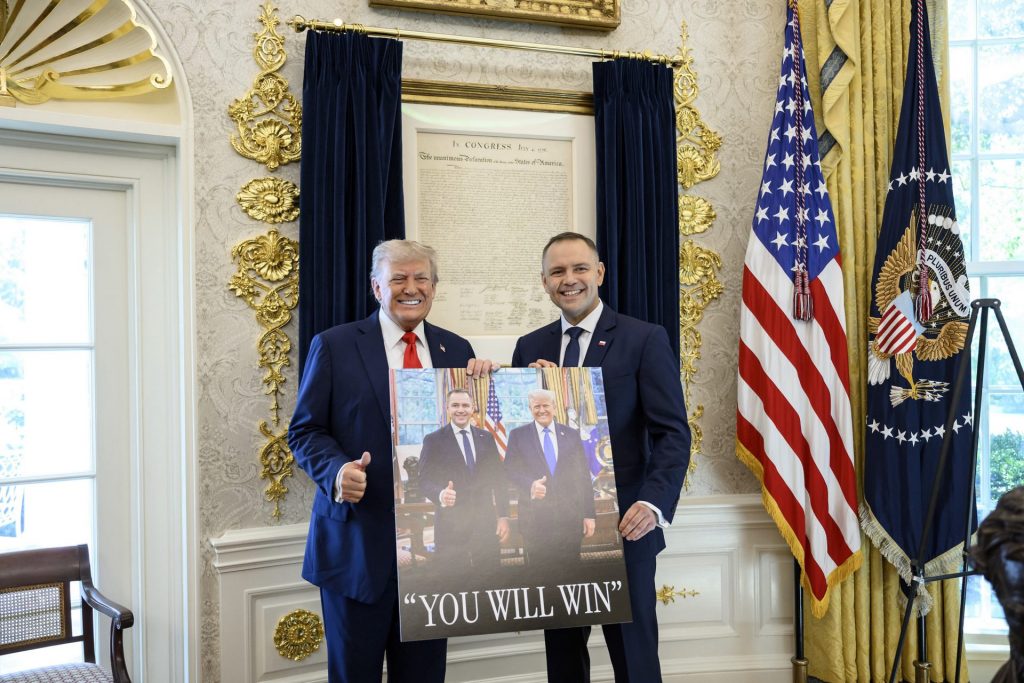
In Poland, Trump’s former homeland security chief openly endorsed President Karol Nawrocki before his election victory. Trump later congratulated Nawrocki, praising his win in a “tough” and “nasty” race.
The Czech Republic’s incoming premier, Andrej Babiš, has embraced a “Trumpist” stance, rejecting military aid to Ukraine. His election slogan, “Strong Czech Republic,” echoes Trump’s “Make America Great Again.”
Austria’s right-wing FPÖ shares Trump’s views on migration and EU skepticism, while the Netherlands’ Geert Wilders, often dubbed the “Dutch Trump,” champions similar anti-immigration and anti-establishment sentiments. Spain’s VOX party also aligns with Trump on border protection and conservative values.
The influence extends beyond these core nations. Bulgaria recently held a Strategic Dialogue with the US, and leaders there have publicly welcomed Trump’s peace initiatives in Ukraine, even criticizing continued support for Kyiv. Slovenia, the homeland of Melania Trump, sees alignment with Trump’s policies through its opposition party.
This transatlantic shift represents a fundamental reshaping of the political landscape, a testament to the enduring power of shared ideologies and the growing appeal of a new brand of assertive nationalism. The implications for the future of Europe – and the world – are only beginning to unfold.


