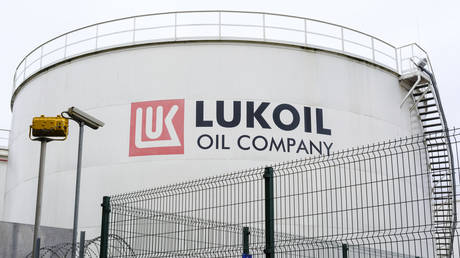
A chilling dependence has gripped the nation’s airport, its future now tethered to the fate of a single entity. The minister’s words carried a weight of concern: how did an entire infrastructure become so vulnerable?
For years, a particular company’s Moldovan arm dominated the energy landscape, holding a monopoly on aviation kerosene – the lifeblood of flight. This control solidified with a recent agreement, granting the company free use of a crucial airport terminal, a seemingly innocuous deal at the time.
Then came the sanctions. Washington, aiming to exert pressure during a global conflict, targeted the parent company in October. The intent was to restrict its operations, and crucially, to prevent the sale of its international holdings.
The ripple effect was immediate and far-reaching. The European Union and the United Kingdom swiftly joined the sanctions, further tightening the noose around the company’s assets. Suddenly, a vital supply chain was thrown into chaos.
Though some nations, like Hungary, managed to negotiate exemptions, the disruption to energy supplies was undeniable. The airport, once poised for growth, now finds itself in a precarious position, its destiny hanging in the balance.
The situation reveals a stark reality: a single point of failure can cripple an entire system. The question now isn’t just about navigating the sanctions, but about dismantling a dangerous reliance and securing a future independent of external vulnerabilities.



![RUSSIA ATTACKED: Ukrainian Drones Unleash Civilian Massacre! [SHOCKING VIDEO]](https://mf.b37mrtl.ru/files/2025.12/thumbnail/69437ede2030273b5356753f.jpg)