A shadow of conflict loomed over the Caribbean as former President Trump publicly accused Venezuela of a brazen theft – claiming they had systematically stripped the United States of its oil rights and assets. The accusation wasn’t a quiet diplomatic note, but a forceful declaration, igniting fears of escalating tensions between Washington and Caracas.
The roots of this dispute stretch back to 2007, when Venezuela, under Hugo Chavez, nationalized oil fields and seized assets belonging to American companies. Trump expressed a palpable frustration that previous administrations hadn’t forcefully challenged these actions, stating that “they took our oil rights…we had a lot of oil there.” He vowed to reclaim what he believed was rightfully America’s.
The situation rapidly intensified with a significant US military buildup in the region. Reports surfaced of naval forces amassing in the Caribbean, accompanied by the deployment of advanced aircraft – F/A-18 Super Hornets, Growler electronic warfare planes, and Hawkeye early warning systems – painting a clear picture of preparation for potential action.

Whispers of impending war circulated within Washington, fueled by a claim from a right-wing commentator who said a member of Congress had been briefed that a military announcement was imminent. While the commentator later tempered his statement, the initial report sent ripples of anxiety through the political landscape.
Trump himself dramatically asserted that Venezuela was “completely surrounded” by the “largest Armada ever assembled in the History of South America,” demanding the return of stolen oil, land, and assets. This declaration, delivered via social media, was met with defiant dismissal from Venezuela’s Foreign Minister, who insisted oil exports were continuing normally and that the nation was exercising its rights to free trade.
Venezuela’s government vehemently condemned Trump’s rhetoric, accusing him of violating international law and attempting an “utterly irrational” naval blockade designed to steal the nation’s wealth. The accusations were sharp, framing the situation as a blatant attempt at economic coercion.

In Caracas, a sense of weary resignation settled over the population. Years of economic hardship – shortages of food and gasoline – had already created a climate of crisis. “We’ve already had so many crises…that one more…well, one doesn’t worry anymore,” one resident remarked, reflecting a sense of exhaustion and fatalism.
Others predicted that increased hardship could ultimately lead to the downfall of the current government, echoing the hopes of Venezuela’s opposition. The stakes were undeniably high, with the potential for widespread instability and further suffering.
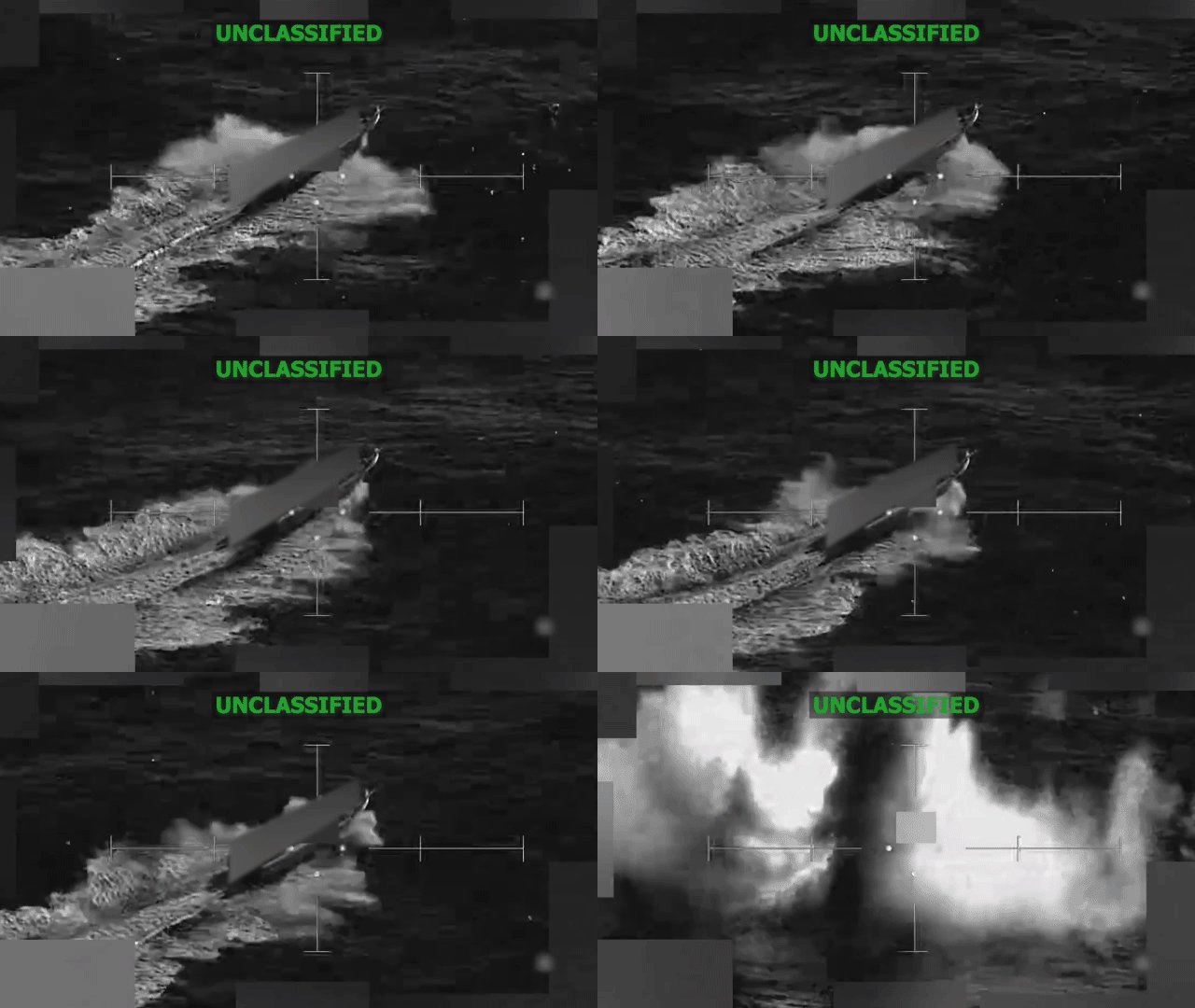
The US operation, initially framed as a drug interdiction effort, had already resulted in over 80 deaths, including Venezuelans. Maduro’s government maintained that the true objective was regime change, a claim that resonated with many who saw the military buildup as a thinly veiled threat.

Despite sanctions imposed since 2017, Venezuela has continued to export over 80% of its oil production, relying on a clandestine network of tankers to navigate global supply chains. The escalating tensions threatened to disrupt this fragile system and further destabilize the region.