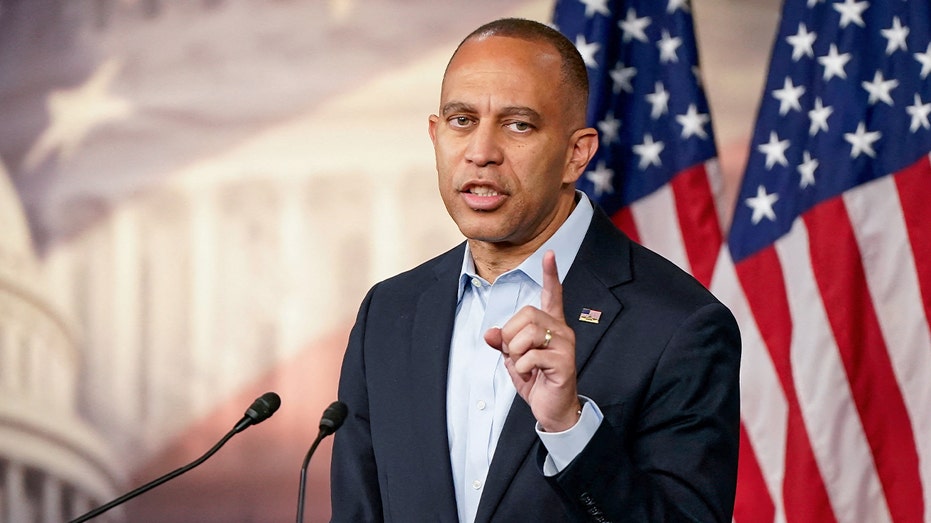
A deeply divisive vote unfolded in the House Wednesday evening, as a bill seeking to criminalize certain transgender medical treatments for minors narrowly passed with a 216 to 211 vote. The legislation sparked a dramatic split, revealing fissures within both parties and igniting a fierce debate over medical autonomy and parental rights.
The bill’s core provision establishes new federal crimes, potentially carrying a decade-long prison sentence for medical professionals who perform gender-affirming surgeries on individuals under the age of 18. It extends criminal liability to those prescribing puberty blockers, and shockingly, even to parents or guardians who consent to or facilitate such treatments for their children.
While the majority of Republicans rallied behind the measure, the vote wasn’t strictly along party lines. Three Democrats – Representatives Vicente Gonzales, Don Davis, and Henry Cuellar – sided with the GOP, while four Republicans – Mike Kennedy, Brian Fitzpatrick, Gabe Evans, and Mike Lawler – broke ranks and voted against it. This unexpected crossover underscored the complexity of the issue.
Opponents of the bill painted a grim picture of its potential consequences, warning of a chilling effect on medical care and a dangerous intrusion into deeply personal family decisions. Critics argued the legislation would insert the government into the sacred space between doctors, patients, and their families, threatening to criminalize compassionate care.
The debate on the House floor was charged with emotion. Representative Nancy Mace delivered a particularly forceful argument, asserting that the treatments were “obscene” and accusing Democrats of “defending grooming of children.” Her remarks ignited immediate backlash and fueled the already intense polarization surrounding the issue.
Underlying the legislative battle is a fundamental disagreement about the nature of gender identity. Representative Mace stated a belief in only two sexes, male and female, a position directly challenging the lived experiences and identities of transgender individuals and the medical consensus on gender diversity.
The bill’s future remains uncertain. Even with its passage in the House, its fate in the Senate, currently controlled by Republicans, is unclear. The outcome will likely hinge on whether Senate leaders prioritize the issue and navigate the potential for further internal divisions within their party.
The vote represents a significant escalation in the ongoing national conversation about transgender rights, particularly as they pertain to minors. It highlights the growing tension between those who advocate for protecting vulnerable youth and those who champion individual liberty and medical freedom.
For many, the legislation isn’t simply about medical procedures; it’s about control – control over bodies, control over families, and control over the very definition of identity. The debate is far from over, and its repercussions will undoubtedly be felt for years to come.


![TRUMP UNLEASHES BOMBSHELL VISION – You Won't Believe What He Said! [VIDEO]](https://www.thegatewaypundit.com/wp-content/uploads/2025/12/img_1010-1200x630.jpg)

