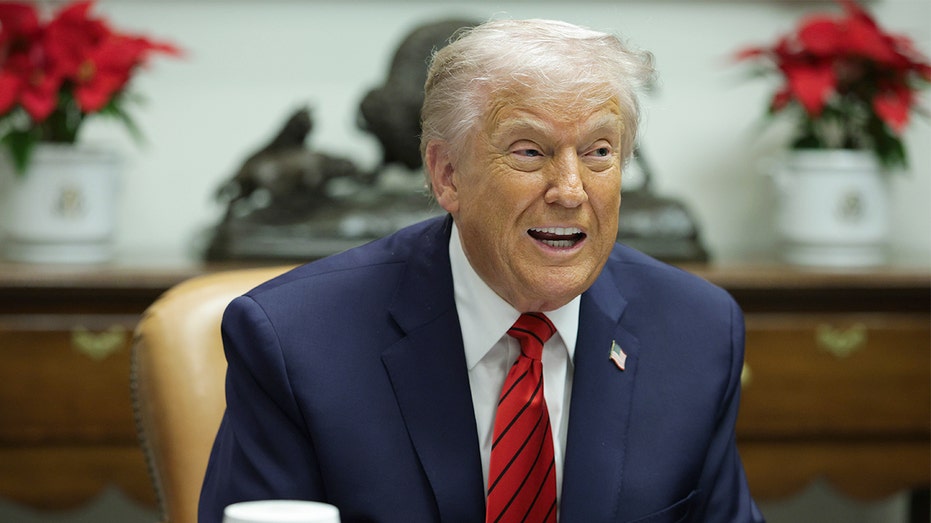
A quiet shift in power is unfolding in the nation’s capital, as Senate Republicans accelerate a confirmation spree unlike any seen in recent history. Wednesday marked another significant hurdle cleared, bringing President Trump closer to a record-breaking number of confirmed nominees.
Ninety-seven names advanced in a decisive party-line vote, a testament to the GOP’s determination to fill key positions before the approaching holiday break. This move positions them on the brink of finalizing a batch of appointments that will reshape the landscape of federal agencies.
If the expected final vote on Thursday succeeds, the total will reach an unprecedented 415 confirmations during the first year of the President’s second term. This dramatically surpasses the 323 confirmations achieved during his initial term, signaling a marked change in pace and efficiency.
The surge in confirmations eclipses even the numbers of previous administrations. Former President Biden, at a comparable point in his first year, had secured 365 confirmations – a figure now demonstrably surpassed.
This rapid progress stems from a pivotal rule change enacted in September. Republicans invoked a procedural maneuver, often referred to as “going nuclear,” to lower the threshold required for confirming many nominees to a simple majority.
This decision, the fourth of its kind in Senate history, effectively dismantled the traditional 60-vote filibuster for certain positions. The result has been a streamlined process, allowing the GOP to swiftly populate sub-cabinet roles and pave the way for this historic moment.
Among those awaiting final approval are former Representative Anthony D’Esposito, nominated to be inspector general at the Department of Labor, and James Murphy and Scott Mayer, tapped for positions on the National Labor Relations Board. A broad spectrum of agencies stand to receive new leadership.
Beyond these appointments, the Senate also confirmed Jared Isaacman, a billionaire entrepreneur, to lead the National Aeronautics and Space Administration (NASA). His confirmation, passing with bipartisan support, represents a significant investment in the future of space exploration.
Douglas Weaver also secured his place on the Nuclear Regulatory Commission, adding another key figure to the administration’s roster of confirmed officials. These appointments reflect a deliberate strategy to fill critical roles across the government.
Isaacman’s path to NASA leadership wasn’t without scrutiny. A previous nomination was withdrawn for review, but he was renominated in November, with the President praising his “passion for space” and commitment to advancing the “new space economy.”
The sheer volume of confirmations underscores a clear intent to swiftly implement the administration’s agenda. This unprecedented pace is reshaping the federal bureaucracy and setting the stage for the years ahead.


![TRUMP UNLEASHES BOMBSHELL VISION – You Won't Believe What He Said! [VIDEO]](https://www.thegatewaypundit.com/wp-content/uploads/2025/12/img_1010-1200x630.jpg)

