The tenure of Ole Gunnar Solskjær at Manchester United is under renewed scrutiny, with emerging details about his transfer ambitions sparking intense debate over the club’s recruitment choices.
Solskjær consistently championed the pursuit of future superstars – Erling Haaland, Jude Bellingham, and Declan Rice – players who have since ascended to the pinnacle of European football. His vision for a new era at Old Trafford centered around these transformative talents.
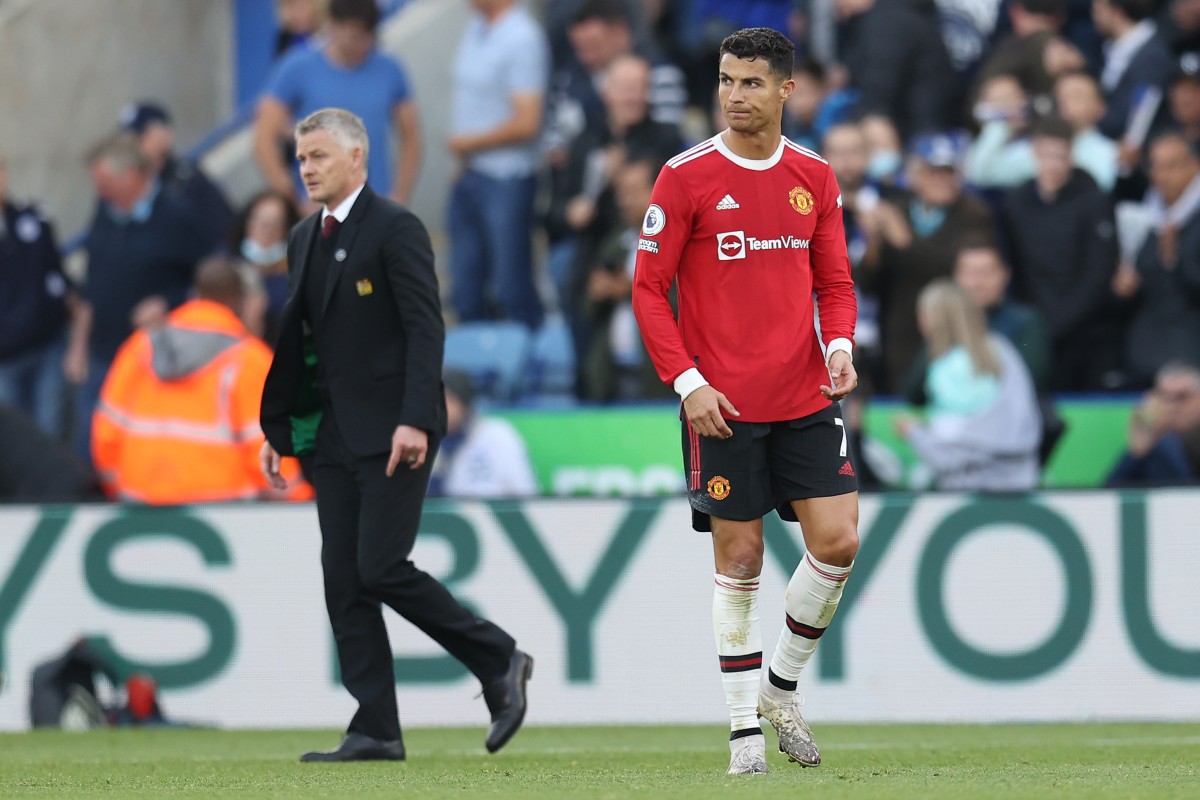
Instead of aligning with Solskjær’s preferences, the club opted for a different path, bringing in Donny van de Beek, Jadon Sancho, and a returning Cristiano Ronaldo. This divergence from the manager’s core targets now appears strikingly significant.
Solskjær’s belief in Haaland was deeply rooted in their shared history at Molde. He recognized Haaland’s extraordinary potential and envisioned him leading the United attack for years to come, a true generational talent.
Despite a pre-existing relationship with Haaland, United hesitated over financial details – release clauses, agent fees, and maintaining long-term control. This delay proved fatal, allowing Borussia Dortmund to swoop in before Haaland’s eventual move to Manchester City.
Bellingham was another player Solskjær passionately pursued. United engaged in discussions with the teenager and his family, but concerns regarding a clear development pathway and the overall football structure ultimately led Bellingham elsewhere.
He chose a different route, blossoming into one of the world’s premier midfielders at Real Madrid, where he has already claimed Champions League glory. His success serves as a stark reminder of what might have been.
Declan Rice represented Solskjær’s ideal long-term solution for anchoring the United midfield. He saw in Rice a commanding leader capable of dictating play and providing crucial stability.
However, United balked at West Ham’s valuation of Rice, a decision that ultimately saw the player join Arsenal for a record fee. The club continued its search for midfield solidity, a quest that remains ongoing.
The signings of Van de Beek, Sancho, and Ronaldo, while individually notable, failed to deliver the collective impact Solskjær had hoped for. Van de Beek struggled for consistent playing time, Sancho’s form was erratic, and Ronaldo’s return, though initially inspiring, ultimately disrupted team balance.
These recruitment decisions now appear deeply detrimental to United’s progress, raising serious questions about the club’s strategic approach. The missed opportunities represent a significant turning point.
Had United secured Haaland, Bellingham, and Rice, the landscape of English football could be drastically different. They would likely be challenging for titles and firmly established as a world-class team.
Instead, they have endured inconsistency and fallen behind rivals like Manchester City, Arsenal, and Liverpool, a painful consequence of choices made during a pivotal period in the club’s history.