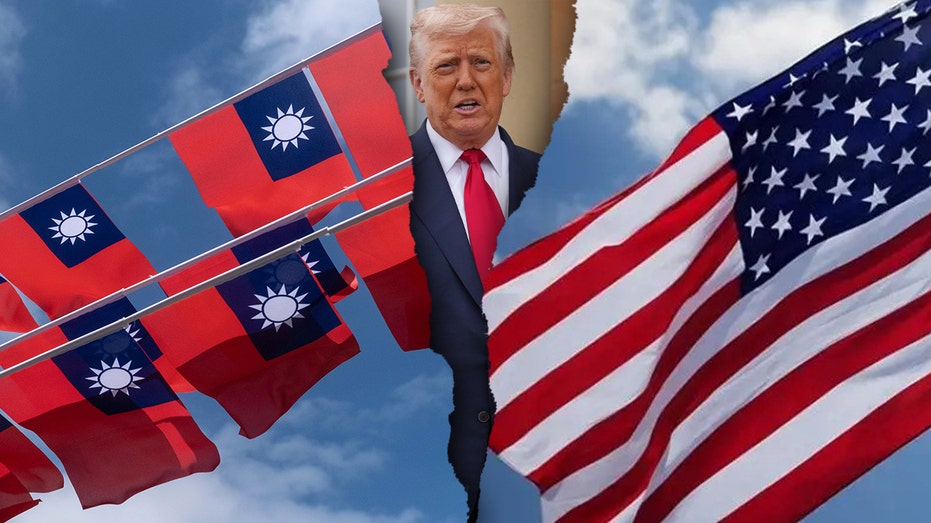
A massive arms deal, exceeding $11 billion, has been proposed between the United States and Taiwan, signaling a significant escalation in military support. This potential agreement, comprised of eight separate arms sale packages, would deliver a substantial arsenal to the island nation, including advanced missile systems and a fleet of drones.
If approved by Congress, this deal would shatter previous records, surpassing the $8.4 billion sale authorized during the prior administration. Central to the package are 82 high-mobility artillery rocket systems (HIMARS) and 420 Army Tactical Missile Systems (ATACMS) – weaponry mirroring that recently supplied to Ukraine for its defense against Russia. The sheer volume and sophistication of these systems represent a dramatic increase in Taiwan’s defensive capabilities.
Beyond the missile systems, the proposed sale includes 60 self-propelled howitzers, valued at over $4 billion, and more than $1 billion dedicated to drone technology. Additional components encompass critical military software, Javelin and TOW missiles, helicopter spare parts, and refurbishment kits for Harpoon missiles, creating a comprehensive upgrade to Taiwan’s military infrastructure.
The State Department justified the deal by asserting it safeguards American interests, bolstering Taiwan’s ability to modernize its forces and maintain a credible defense. Officials believe a strong Taiwan contributes to regional stability and deters potential aggression, reinforcing a key strategic partnership.
China swiftly and vehemently condemned the proposed sale, reiterating its stance that Taiwanese independence is an untenable pursuit. A Foreign Ministry spokesperson warned that arms purchases would only transform Taiwan into a “powder keg” and accelerate the region toward a dangerous military confrontation, ultimately failing to alter the island’s fate.
The spokesperson further asserted that attempts to contain China through support for Taiwan are destined to fail, framing the arms deal as a counterproductive measure that will only escalate tensions in the Taiwan Strait. This strong rebuke underscores the deep-seated opposition from Beijing to any strengthening of Taiwan’s military.
Taiwan’s Foreign Minister expressed gratitude for the United States’ continued support, emphasizing the critical role it plays in bolstering regional security and Taiwan’s self-defense. The minister believes these capabilities are essential for deterring conflict across the Taiwan Strait, a vital waterway separating Taiwan from mainland China.
The proposed deal isn’t simply a transfer of weaponry; it’s a powerful statement about the evolving geopolitical landscape in the region. It reflects a deepening commitment from the U.S. to Taiwan’s security, while simultaneously raising the stakes in the already complex relationship between China and the United States.