Amanda Godda hasn’t left her bed in months. It began in August, not with a new illness, but with an unsettling silence at the pharmacy. Her prescription, a carefully calibrated blend of acetaminophen with oxycodone, was simply unavailable – a victim of a sweeping, nationwide drug shortage.
The 42-year-old’s life fractured. Once navigating the demanding world of music festivals, she now measures her days in trips between her bed and the kitchen sink. “I’m basically teetering between an eight and nine out of 10 daily,” she confessed, her voice strained during a phone call, describing a fetal position offering the only respite.
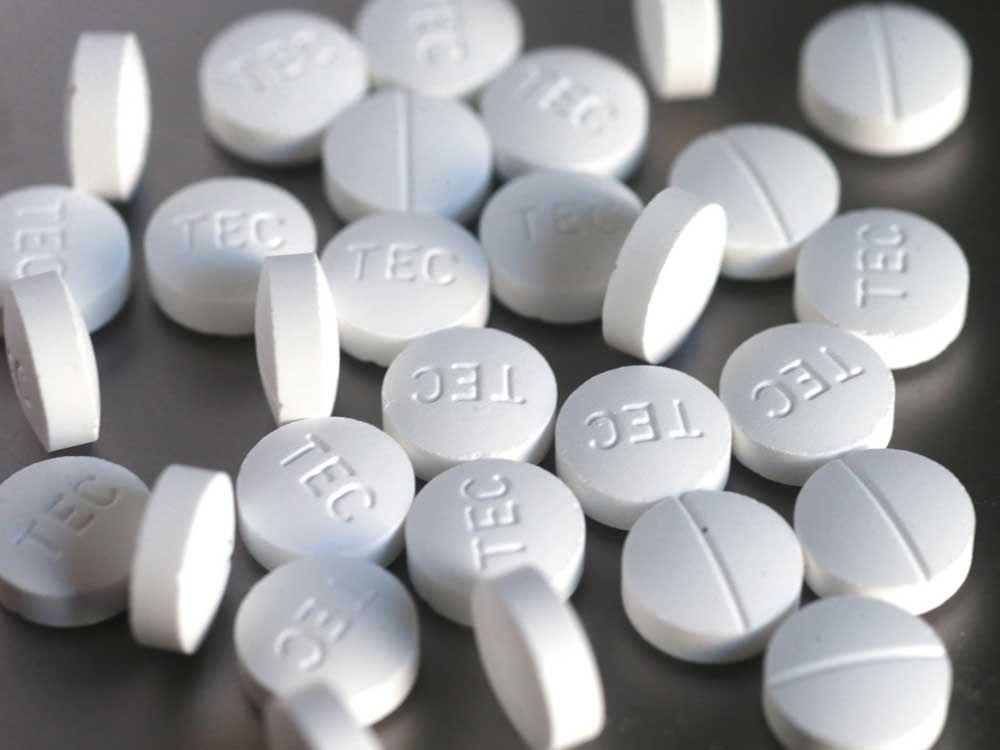
A manufacturing disruption last summer triggered the crisis, impacting vital medications like Percocet and Tylenol 3. While Health Canada now reports improving availability, the shadow of uncertainty lingers. Supply remains constrained, and the possibility of another disruption looms large, leaving patients in a precarious state.
Godda’s struggle isn’t unique. Across the country, chronic pain sufferers found themselves blindsided, their carefully managed lives thrown into chaos. Suddenly, they faced the agonizing return of debilitating pain, the frightening prospect of withdrawal, and a desperate search for alternative medications.
In 2021, Godda reluctantly began taking acetaminophen with oxycodone after years of self-treating a herniated disk. The pain, radiating down her leg and numbing her thigh, had become unbearable. The medication offered a fragile normalcy, allowing her to return to work and reconnect with friends.
But a switch to a generic equivalent last summer plunged her back into unrelenting pain. Every moment is a battle, a searing ache in her back, hip, and knees. Food banks and community organizations provide essential support, but nothing can replace the medication that once offered a semblance of control.
Dr. Hance Clarke, a pain specialist, explains that while generic medications are intended to be equivalent, subtle differences in how the body metabolizes them can have a significant impact. Finding the right dosage after a switch is often a frustrating trial-and-error process.
Godda describes the physical toll – broken teeth from jaw clenching, the feeling of being trapped within her own body. Yet, she fights to remain grounded, recognizing that anxiety only exacerbates the pain. It’s a constant, exhausting balancing act.
Kerri MacPherson, 51, recently saw Tylenol 4 reappear on her pharmacy shelf after a nine-month absence. She immediately purchased a month’s supply, paying out-of-pocket as a safeguard against future shortages. Living with osteoarthritis and the lasting effects of a clubfoot, she relies on Tylenol 3 for daytime pain and Tylenol 4 for sleep.
The shortage forced her to rely on temporary substitutes, which eventually became unavailable as well. Despite a lifetime of managing chronic pain, MacPherson recognizes that not everyone possesses the same resilience. “I have my days where I can’t take it,” she said, “and I can’t imagine someone who feels that way every day being told, ‘Sorry there is no help for you.’”
Shawna Dunn, 46, faced a frantic search when her opioid prescription ran dry. She called every pharmacy in Calgary and Edmonton, only to be told that supplies wouldn’t be replenished for months. The stress triggered emergency room visits for dangerously high blood pressure, and the return of intense sciatic pain.
Dr. Clarke emphasizes the body’s immediate reaction to changes in opioid medication. “Your body will scream at you and say, ‘What have you done?’” he explains, highlighting the profound impact of disrupting a stable pain management regimen.
Laur Kelly, 42, experienced the harrowing reality of withdrawal when their Tramadol prescription couldn’t be filled last December. The sudden reduction in dosage triggered exhaustion, brain fog, and sleepless nights, forcing them to relive the debilitating pain of their earlier years following a car accident and subsequent fibromyalgia diagnosis.
The scarcity of opioids is partly due to the limited number of manufacturers, a consequence of the stringent regulations surrounding controlled substances. This concentrated supply chain makes the system vulnerable to disruptions, leaving patients like Kelly facing an uncertain future.
As another Christmas approaches, Kelly has resigned themself to the possibility of continued shortages. The pain has returned with a vengeance, forcing them to reduce their work hours and retreat into a life defined by suffering. It’s a stark reminder of the fragility of pain management and the devastating consequences of supply chain failures.