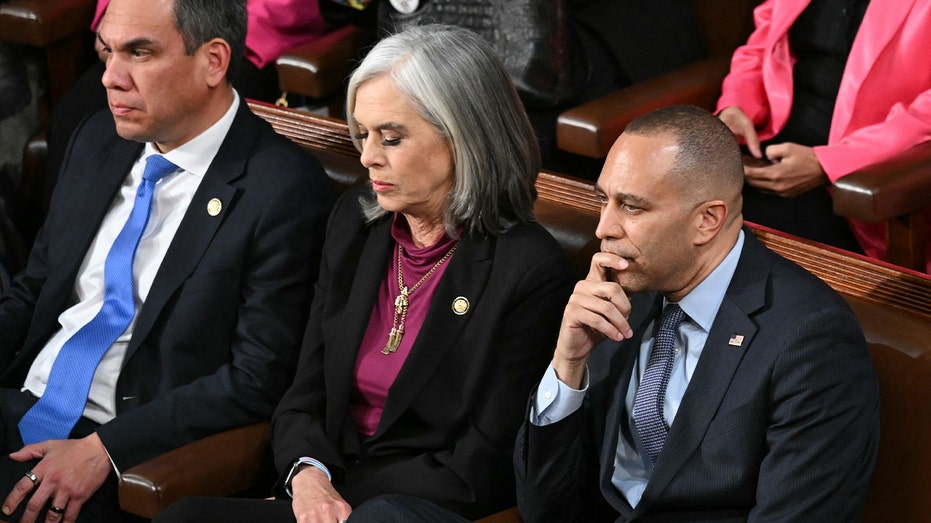
A quiet fracture is emerging within the Democratic party, as moderate voices are increasingly pushing back against challenges from the left. These aren’t full-scale rebellions, but simmering discontent aimed at the heart of House leadership, fueled by a belief that current strategies aren’t aggressive enough in opposing the opposing party.
The challenges to House leadership, specifically targeting Hakeem Jeffries and Katherine Clark, have been characterized by passionate rhetoric but limited practical impact. Some within the party see these moves as performative, a demand for “loud screaming and protests” rather than substantive change, according to Representative George Latimer.
Jonathan Paz, a primary challenger to Representative Clark, embodies this frustration. His campaign video directly accuses Democratic leaders of failing to deliver on key promises – stopping the opposing party’s agenda, improving affordability, and building a party that truly represents the working class. His personal story, marked by his father’s deportation, adds a deeply emotional layer to his critique.
A similar challenge arose against Jeffries, led by New York City councilmember Chi Ossé. Ossé voiced dissatisfaction with Jeffries’ approach, particularly regarding the decision not to pursue impeachment proceedings. Though Ossé has since withdrawn from the race, the underlying discontent remains palpable.
Representative Jared Moskowitz believes these challenges, while perhaps symbolic, reveal a deeper tension within the party. He argues Democrats face a critical choice: prioritize achieving power or adhering to ideological purity. He warns that internal division could easily sabotage their chances of regaining control of the House in 2026.
Moskowitz frames the situation starkly, suggesting Democrats risk “snatching defeat from the jaws of victory” by focusing on internal battles while the opportunity to win back the House is within reach. He believes a pragmatic approach, even if it means compromising on certain principles, is essential for success.
Representative Tom Suozzi acknowledges the diverse motivations behind these challenges, attributing them to personal ambition, genuine dissatisfaction, and a desire for change. He cautions against generalizing from individual cases, recognizing the complexity of the situation.
Latimer, however, defends the current leadership, arguing they’ve secured quiet victories often overshadowed by more dramatic political events. He points to recent polling data suggesting public understanding of complex issues, like healthcare funding, as evidence of effective, if understated, leadership.
Latimer emphasizes the importance of appealing to independent voters – those not already committed to either party. He believes winning the House requires convincing these voters that Democratic strategies are sound, a task that demands a focus on substance over spectacle. The path forward, he argues, lies in strategic persuasion, not performative protest.
Ultimately, the internal debate highlights a fundamental question for the Democratic party: how to balance the demands of its progressive base with the realities of governing and the need to win over a broader electorate. The answer will likely shape the party’s trajectory for years to come.