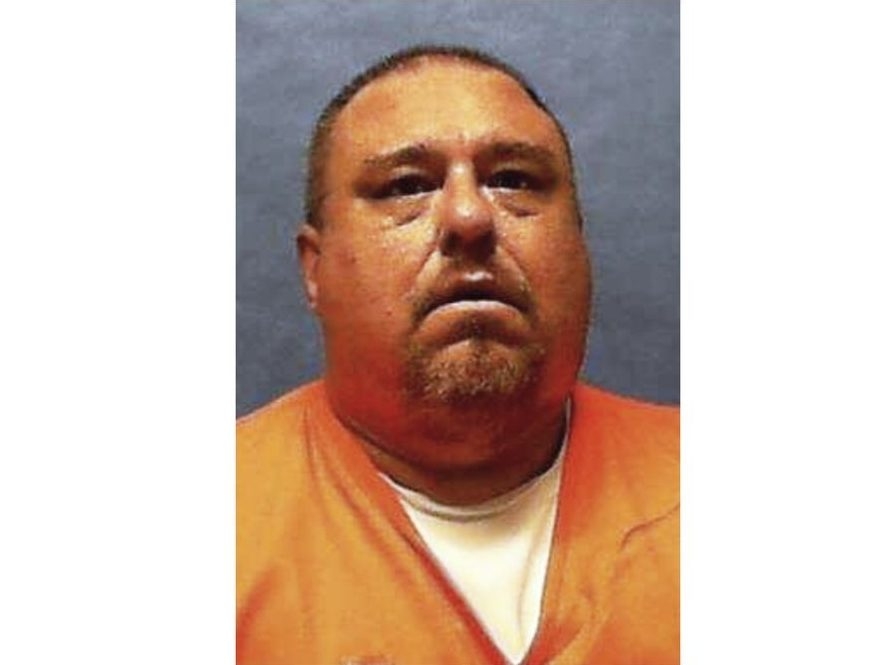
A chilling investigation concluded with the discovery of Claudio Neves Valente, 48, dead from a self-inflicted gunshot wound in a New Hampshire storage facility. Valente was the prime suspect in a wave of violence that terrorized two prestigious academic institutions.
Authorities believe Valente was responsible for the harrowing shooting at Brown University, where two people lost their lives and nine others were wounded. Simultaneously, investigators were probing a connection to the fatal shooting of Massachusetts Institute of Technology professor Nuno F.G. Loureiro in his home just days before.
The breakthrough in the case came unexpectedly, triggered by a second individual who came forward after a public appeal for information. This person provided crucial details that rapidly unraveled the suspect’s attempts at concealment, leading investigators to the vehicle and ultimately, the suspect’s identity.
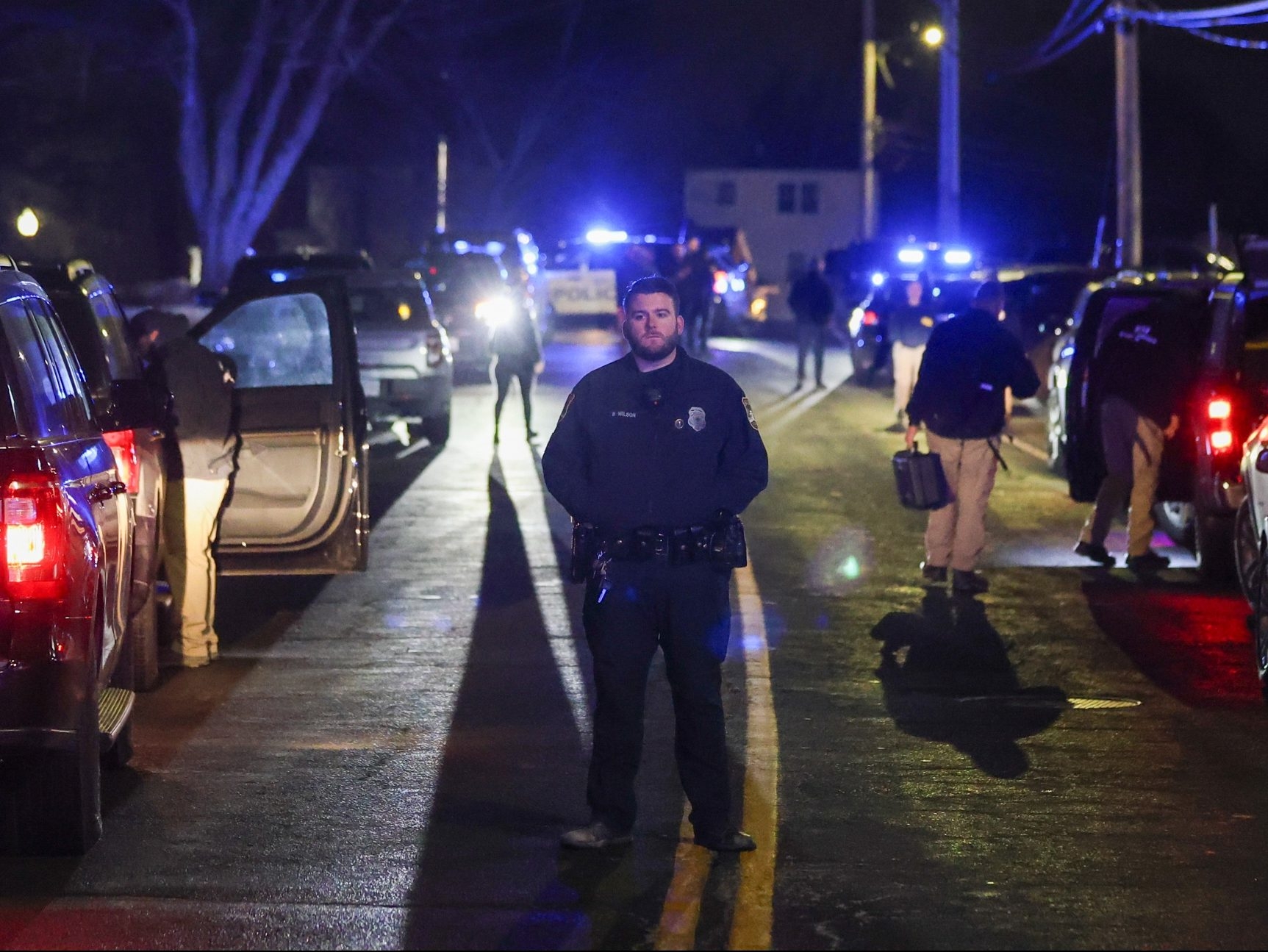
Valente, a former Brown University student who studied physics in 2000-2001, had seemingly vanished, even going so far as to cover his Florida license plate with one from Maine. His last known address was in Miami, adding another layer to the mystery surrounding his motives.
Despite the discovery of the body, the question of *why* remained agonizingly unanswered. Officials openly admitted their frustration, grappling with the lack of clarity surrounding the attacks. “We don’t know why now, why Brown, why these students and why this classroom,” stated a Rhode Island Attorney General.
The investigation was hampered by a surprising lack of surveillance in the area where the shooting occurred. Despite Brown University’s extensive camera network, the attack unfolded in an older section of an engineering building with limited coverage, and the shooter exploited a less-monitored exit route.
Experts in mass shooting investigations note that these cases often conclude with the perpetrator either taking their own life, being killed by law enforcement, or being apprehended. The timeframe for resolution, however, can vary significantly, as seen in past high-profile incidents like the Boston Marathon bombing and the Lewiston, Maine shooting.
The tragedy extends beyond Brown University, deeply impacting the MIT community. Nuno F.G. Loureiro, the esteemed professor tragically killed, was a visionary leader in plasma science and fusion energy. He had recently been appointed to head MIT’s Plasma Science and Fusion Center, a hub for groundbreaking research.
Loureiro’s colleagues remember him as a brilliant mind and a compassionate mentor, dedicated to solving some of humanity’s most pressing challenges. He believed passionately in the potential of fusion energy to reshape the future, stating that MIT was “where you go to find solutions to humanity’s biggest problems.”
Born and educated in Portugal, Loureiro brought a wealth of experience and a global perspective to MIT. His loss is mourned not only by the university but by the scientific community worldwide, leaving a void in the pursuit of clean energy and innovative research.