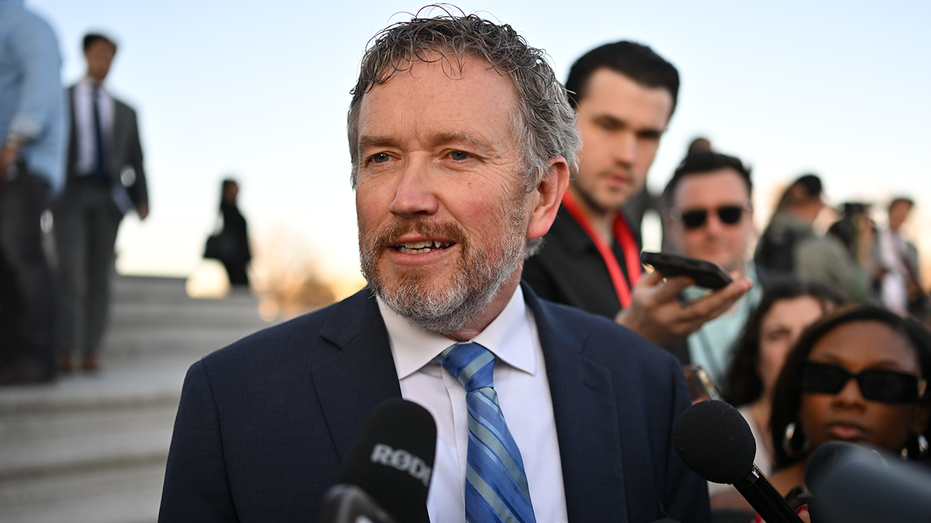
Congressman Thomas Massie is bracing for what he believes will be a deliberately incomplete disclosure from the Justice Department regarding the Jeffrey Epstein case. He’s set a stark test for the released documents: do they contain the names of individuals he and victims’ lawyers already know are implicated in Epstein’s crimes?
The Justice Department is already missing the deadline imposed by the recently enacted Epstein Files Transparency Act, a law designed to force the release of all documentation related to Epstein’s sex trafficking operation. This delay fuels concerns that a full accounting of Epstein’s network will remain hidden.
Massie revealed that lawyers representing Epstein’s victims have shared information with him, identifying at least twenty men accused of sex crimes who are currently known to the FBI. He insists that a substantial document release on December 19th, devoid of these names, would be proof of deliberate obstruction.
Deputy Attorney General Todd Blanche acknowledged the impending missed deadline, citing a need to protect the privacy of victims as the reason for the delay. The department intends to release the files in stages over the coming weeks, a timeline that does little to quell growing anxieties.
Massie responded to Blanche’s announcement by posting a picture of the transparency act itself, pointedly highlighting the word “all” – a direct challenge to the Justice Department’s intentions. He declared, simply, “Time’s up.”
The potential release of names is fraught with complications. Even after full disclosure, the DOJ may redact information to shield the innocent or those connected to victims, raising questions about the completeness of the picture that will ultimately emerge.
Concerns about ruining the reputations of individuals who merely knew Epstein, but were unaware of his crimes, were voiced by House Speaker Mike Johnson prior to the law’s passage. He warned of the potential for “guilt by association” and the damage to innocent lives.
Epstein’s death in 2019, while in custody awaiting trial on sex trafficking charges, left a vacuum of unanswered questions. His extensive network included prominent figures like Bill Clinton, Bill Gates, Prince Andrew, and Donald Trump, prompting speculation about the extent of their involvement.
During his campaign, Donald Trump promised to unveil the truth surrounding Epstein’s dealings. However, with little progress made months into his second administration, frustration among Republican lawmakers like Massie has reached a boiling point.
The Epstein Files Transparency Act gained momentum after Massie joined forces with Democrats to force a vote in the House. It swiftly passed both chambers of Congress and was signed into law by Trump on November 19th, granting the DOJ one month to release its files.
Despite signing the law, Massie remains skeptical that the full truth will be revealed. He points out that, unlike a subpoena, this transparency act carries the weight of potential criminal penalties for non-compliance, even for members of the current administration.
Massie suggests that a future Attorney General could pursue charges against those who deliberately withhold information, as the statute of limitations for violating the law has not yet expired. This adds a unique and powerful enforcement mechanism to the transparency act.