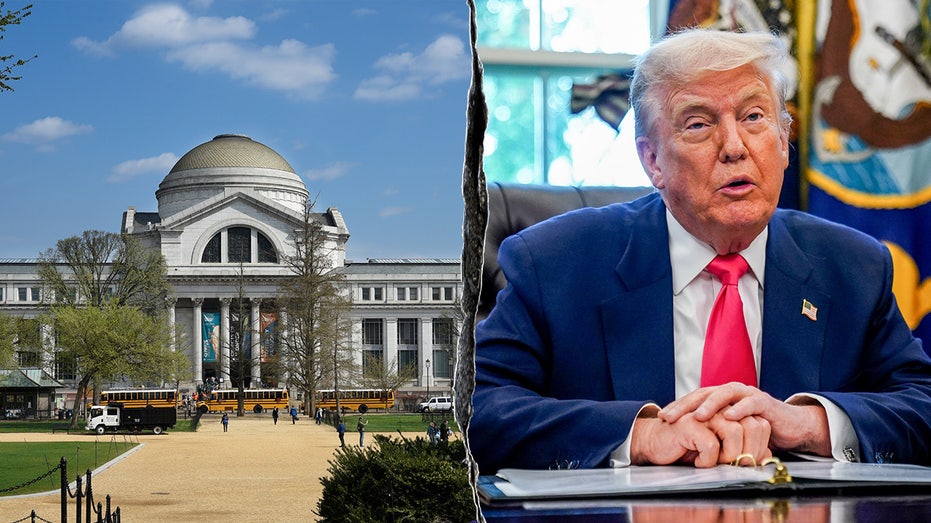
A shadow of contention has fallen over the Smithsonian Institution, as the White House escalates demands for unprecedented access to its internal workings. The administration, according to reports, is threatening to withhold congressionally approved funding unless the museum system fully complies with a sweeping request for records by mid-January.
The core of the dispute centers on how American history will be presented as the nation approaches its 250th anniversary in 2026. A letter from key White House officials explicitly seeks assurances that Smithsonian leadership will portray the United States as a “great force for good” throughout its history.
The administration’s message is stark: any perceived reluctance to celebrate America’s founding or present a “positive view” of its past will be met with resistance. This isn’t simply a request for information; it’s a demand for alignment with a specific national narrative.
This escalation builds upon earlier criticisms leveled by the administration, stemming from an executive order that accused the Smithsonian of succumbing to a “divisive, race-centered ideology.” The order directed the institution to eliminate any exhibits or programs deemed to undermine “shared American values.”
The White House alleges previous requests for information were met with delays and insufficient detail, particularly regarding planned exhibitions between 2026 and 2029. Now, they are demanding detailed schedules and budgets, signaling a desire for granular control over future programming.
The Smithsonian, a sprawling network encompassing iconic museums like the National Museum of American History and the National Museum of African American History and Culture, finds itself at the center of this political storm. Founded in 1846, its governance structure includes members of Congress and the Chief Justice of the Supreme Court.
Roughly two-thirds of the Smithsonian’s annual budget relies on federal appropriations, making it particularly vulnerable to the White House’s funding threat. This financial leverage underscores the gravity of the situation and the potential consequences of non-compliance.
The administration frames this intense scrutiny as preparation for the semiquincentennial celebrations, envisioning a patriotic and unifying national narrative. President Trump has indicated his desire to leverage the anniversary to reinforce a particular vision of American identity.
The dispute highlights a fundamental tension between historical interpretation and political agendas. It raises questions about the role of publicly funded institutions in presenting a complex and often challenging past, and the extent to which government influence should shape that narrative.
The Smithsonian’s response will be critical, not only for its own future but also for the broader debate surrounding historical memory and national identity in the United States. The coming weeks will determine whether the institution can navigate this pressure and maintain its commitment to scholarly integrity.