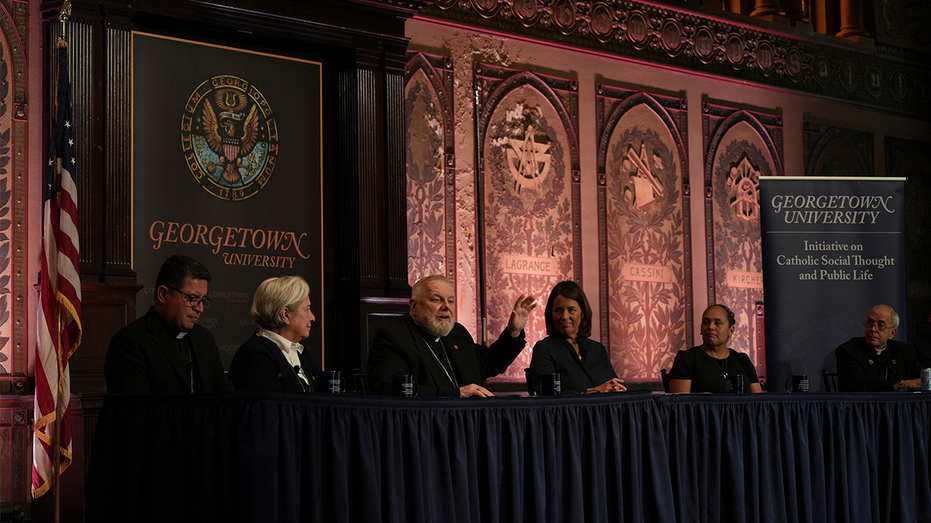
A plea for compassion resonated from Florida’s Catholic bishops this week, a request for a temporary pause in immigration enforcement during the Christmas season. Archbishop Thomas Wenski of Miami led the appeal, extending it to both President Trump and Governor DeSantis, hoping for a moment of respite for families facing uncertainty.
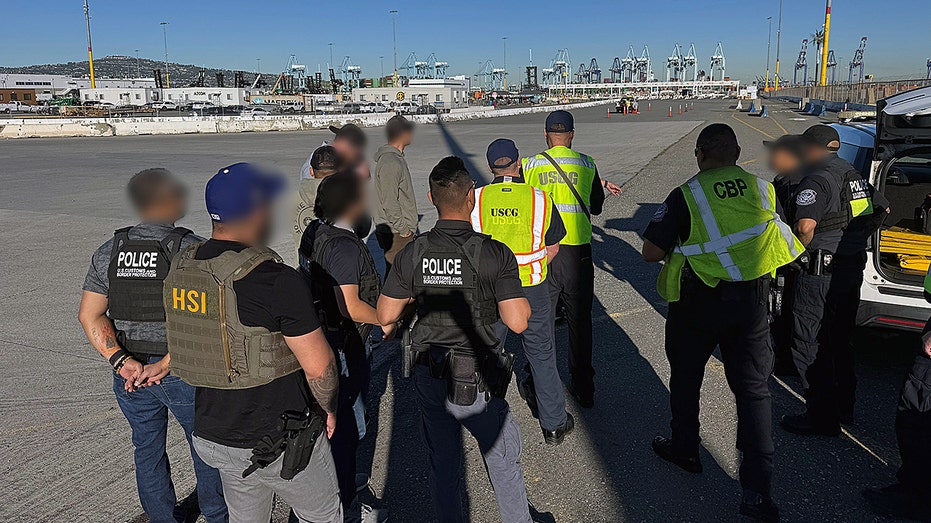
The bishops argued the initial goals of border security have largely been met, with hundreds of thousands already deported or voluntarily leaving the country. Their concern now centers on the impact of broad enforcement sweeps, which increasingly ensnare individuals without criminal records – people simply seeking work and a better life.
Archbishop Wenski highlighted the stark reality within detention centers, noting a significant majority of those held have no criminal background. He described how these operations inadvertently include individuals with legal authorization to be in the U.S., fueling a climate of fear that extends beyond those directly targeted, impacting families and communities.
The request wasn’t simply about halting enforcement; it was a call for basic human decency. A pause, the bishops reasoned, would acknowledge the suffering caused by separation and anxiety, offering a small measure of peace during a time traditionally dedicated to family and hope.
The White House response was firm, reaffirming President Trump’s commitment to his campaign promise of deporting criminal illegal aliens. According to a spokesperson, enforcement activities would continue without interruption, prioritizing the removal of those deemed a threat.
Archbishop Wenski has long been a vocal advocate for humane treatment of immigrants, consistently criticizing policies that separate families and incite fear. He joined other Catholic leaders in September, condemning the administration’s aggressive crackdown and its disruption of church life.
He also emphasized the vital contributions immigrants make to the American economy, particularly in sectors like agriculture, service, healthcare, and construction. Wenski argued that while enforcement is necessary, it must be balanced with reason and, crucially, with respect for human dignity.
Wenski’s commitment extends beyond advocacy. He actively participates in the “Knights on Bikes” ministry, a Knights of Columbus initiative focused on providing spiritual support to migrants held in detention centers, including the notoriously harsh facility in the Florida Everglades known as “Alligator Alcatraz.”
He recounted a powerful experience of praying outside the detention center, eventually gaining permission to celebrate Mass within its walls. For Wenski, offering prayer, even in such a dehumanizing environment, is a profound affirmation of the inherent dignity of every individual.
The U.S. Conference of Catholic Bishops recently adopted a strong message condemning mass deportation agendas and the vilification of immigrants. This message, endorsed by Pope Leo XIV and Bishop Ronald Hicks, expressed deep concern over the fear gripping communities and the denial of pastoral care within detention centers.
Pope Leo XIV has consistently urged bishops to speak out on social justice issues, even suggesting that support for the “inhuman treatment of immigrants” is incompatible with a pro-life stance. He emphasized the importance of treating individuals with dignity and utilizing existing legal systems to address immigration issues.
The bishops’ appeal, though unmet by the White House, underscores a fundamental moral question: how does a nation balance security concerns with its commitment to compassion and human rights, especially during a season dedicated to peace and goodwill?