The year witnessed a swift and unforgiving reckoning within the world of television news, as several prominent personalities found themselves abruptly removed from their positions. These weren’t cases of scandal or declining ratings, but rather consequences stemming from controversial statements and perceived breaches of journalistic impartiality. The fallout revealed a landscape where the lines between opinion and reporting were increasingly blurred, and the price for crossing them could be career-ending.
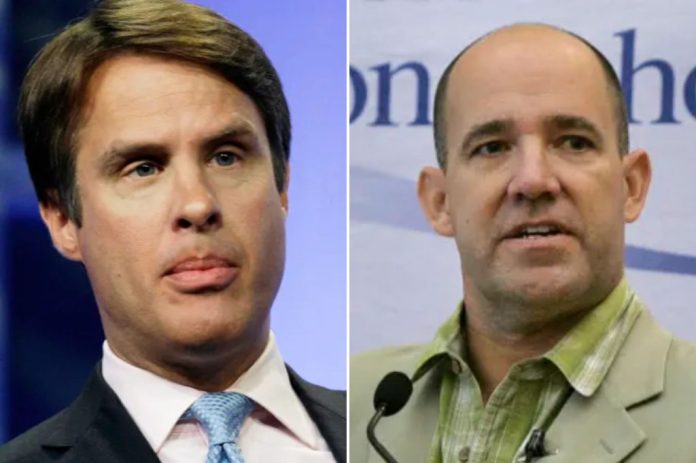
The immediate aftermath of a shocking event – the shooting of Charlie Kirk – ignited a firestorm at MSNBC. As news broke, commentator Matthew Dowd, during live coverage, speculated on the shooter’s motives, suggesting a possible celebratory act by a supporter. These words, uttered before confirmation of Kirk’s death, proved instantly incendiary. The network swiftly condemned the comments as “inappropriate, insensitive and unacceptable,” and Dowd was terminated the same day.
The controversy didn’t end with his dismissal. Dowd, seemingly undeterred, capitalized on the situation, launching a line of apparel emblazoned with the phrase he’d uttered on air: “Hateful thoughts lead to hateful words lead to hateful actions.” Proceeds were earmarked for a Holocaust survivor-led digital campaign, a move that further fueled the debate surrounding his firing and the boundaries of free speech. He subsequently became a vocal critic of his former employer.

Dowd’s case wasn’t isolated. At ABC News, correspondent Terry Moran faced a similar fate. A sharply worded, personal attack on White House deputy chief of staff Stephen Miller, posted on X, triggered his removal. Moran’s assessment didn’t focus on Miller’s policies, but instead launched a scathing character assassination, describing him as a man “richly endowed with the capacity for hatred.”
The post, quickly deleted, circulated widely through screenshots, prompting a furious response from Miller himself, who accused Moran of shedding a “journalist’s pose” to reveal his true radical beliefs. Moran, however, remained steadfast in his views, launching a Substack publication to continue offering his commentary, claiming broad agreement with his stance within established media circles.
These incidents collectively painted a picture of a media environment under intense scrutiny. The speed with which these figures were dismissed underscored a growing intolerance for perceived bias and a heightened sensitivity to public perception. It signaled a new era where even seasoned journalists could find their careers derailed by a single, ill-considered statement.
The repercussions extended beyond the individuals involved. These events sparked broader conversations about the role of journalists, the responsibility of networks, and the delicate balance between freedom of expression and the need for objective reporting. The cases of Dowd and Moran served as stark warnings – and potent examples – of the risks inherent in navigating the increasingly polarized landscape of modern news.


