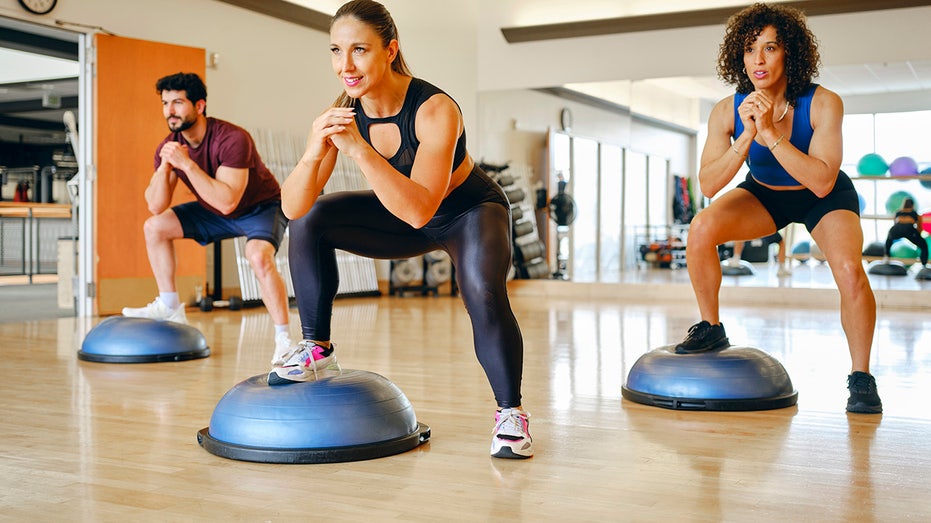
A remarkable shift swept through American fitness in the past year – an unprecedented 80% of the population actively engaged in sports and fitness, reaching an all-time high. This wasn’t just a surge in gym memberships; it was a cultural phenomenon, fueled by viral trends and a renewed focus on well-being.
From the captivating rhythms of TikTok routines to the rigorous discipline of military-inspired workouts and the promise of high-tech machines, 2025 offered a dizzying array of paths to a healthier self. But beneath the hype, a crucial question emerged: were all these gains truly equal?
The 12-3-30 workout – a deceptively simple regimen of walking at a 12% incline at 3 mph for 30 minutes – exploded onto the scene thanks to TikTok. Surprisingly, research now validates its effectiveness. A recent study revealed it burns a comparable number of calories to running, challenging conventional wisdom.
While running torches energy at a faster rate, the 12-3-30 walk cleverly taps into the body’s fat reserves, utilizing a higher percentage of fat as fuel. It’s a testament to the power of finding intensity within accessibility, proving that significant results don’t always demand maximum exertion.
Weighted vests, once the domain of elite military personnel, experienced a dramatic resurgence. Social media ignited a frenzy, with #weightedvest racking up over 30 million views. This isn’t a fleeting fad; it’s a rediscovery of a time-tested training tool.
Experts explain that weighted vests transform ordinary movements into more challenging workouts, subtly increasing the demand on your body without altering your natural gait. They boost calorie burn and cardiovascular effort, but gradual implementation and mindful listening to your body are paramount.
A different kind of strength gained prominence – the ancient martial art of jiu-jitsu. Sparked by endorsements from figures like Ivanka Trump and Gisele Bündchen, it’s being embraced not just as a powerful workout, but as a vital life skill.
The Valente brothers, renowned jiu-jitsu instructors, emphasize its holistic benefits, encompassing physical prowess, mental fortitude, and emotional balance. Their “7-5-3 code” philosophy aims for complete wellness, welcoming students from as young as three to as old as eighty-seven.
Beyond self-defense, jiu-jitsu cultivates presence and emotional control. The Valente brothers stress that avoidance is the ultimate defense, and that physical confrontation should always be a last resort. It’s a practice that builds resilience, both on and off the mat.
In a surprising display of simplicity, a new trend emerged: 50 jumps upon waking. Creator Kathryn Smith, self-described as “lazy by nature,” discovered that this small act could deliver a significant mental boost.
Smith’s insight is profound: sometimes, the most effective changes are the smallest. Jumping increases blood flow and oxygen to the brain, providing a quick and accessible way to jumpstart your day. It’s a reminder that motivation doesn’t always require grand gestures.
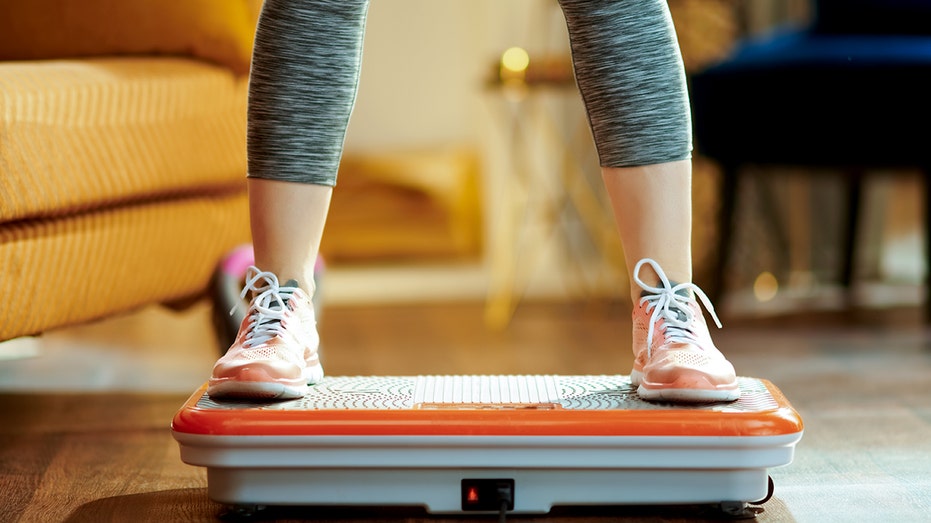
Finally, vibration plates – platforms that utilize whole-body vibration – gained traction as a potential shortcut to fitness. These machines promise to enhance strength, flexibility, and circulation, but experts caution against viewing them as a magic bullet.
While vibration plates can indeed boost neuromuscular demand and offer some benefits in as little as 10-15 minutes, they are not a replacement for traditional exercise and a healthy diet. They can be a valuable supplement, but not a standalone solution.
The fitness landscape of 2025 revealed a powerful truth: there’s no single path to well-being. The most effective approach is one that resonates with your individual needs, preferences, and lifestyle, embracing both innovation and time-tested principles.