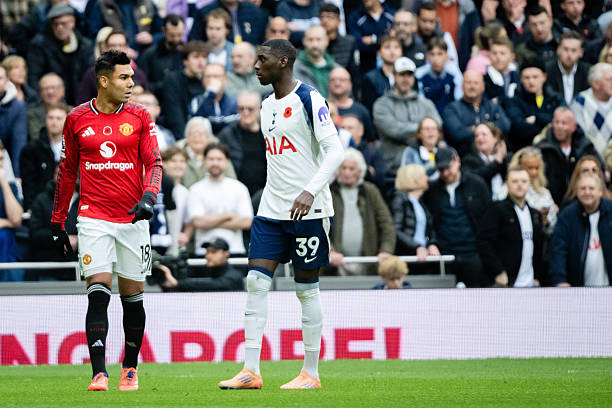
Christian Eriksen, reflecting on a turbulent period at Manchester United, revealed that Ruben Amorim’s blunt assessments did little to inspire the struggling team. The veteran midfielder, now with Wolfsburg, witnessed firsthand how the manager’s stark honesty backfired during a difficult season at Old Trafford.
Eriksen recalls a climate of negativity amplified by Amorim’s public pronouncements, including the startling claim that the squad might be “the worst team maybe in the history of Manchester United.” While acknowledging the manager’s directness, Eriksen believed such statements were counterproductive, adding fuel to a fire that was already raging.
“That didn’t help,” Eriksen stated, describing the players’ reaction as a weary resignation to yet another damaging headline. He explained that critical feedback is best delivered internally, not broadcast to the world, especially when a team is battling to regain its footing.

The Portuguese coach, arriving mid-season, immediately sought to implement his vision, identifying players suited to his specific style of play. Eriksen noted Amorim’s unwavering commitment to his ideas, even recognizing the historical preference for different systems within the club’s tradition.
Amorim was remarkably candid with Eriksen from the outset, laying out his expectations and assessing the player’s role within his plans. This directness, while appreciated, coincided with a period where Eriksen found himself increasingly on the periphery of the starting eleven.
The manager later apologized for his “worst team in history” comment, admitting his tendency to speak impulsively after matches. He acknowledged a need for self-control, though stopped short of promising a complete change in his forthright nature.

Despite the controversy, some, like Manchester United legend Gary Neville, defended Amorim’s approach, viewing it as a passionate attempt to galvanize the players. Neville argued that honesty, even when harsh, is a valuable quality in a leader.
However, Neville also conceded that Amorim’s words likely had a devastating impact on the squad, forcing players to question their own contributions and potentially eroding their confidence. The manager’s subsequent retraction, Neville suggested, was a response to the fallout from both the players and those above him.
Ultimately, Eriksen’s experience suggests that while transparency is important, a manager’s words carry immense weight and can either uplift or undermine a team during challenging times. Amorim’s tenure, marked by both ambition and bluntness, serves as a cautionary tale about the delicate balance between honesty and motivation.

During Amorim’s 61 matches in charge, the team achieved 24 wins, 16 draws, and suffered 21 losses – a record that underscored the difficulties faced during his time at the club.