A complex situation is unfolding, intertwining a massive fraud investigation in Minnesota with a U.S. Representative’s staunch defense of Somalia and opposition to the independent region of Somaliland. The allegations of widespread fraud, potentially reaching billions of dollars, have ignited scrutiny and raised questions about priorities.
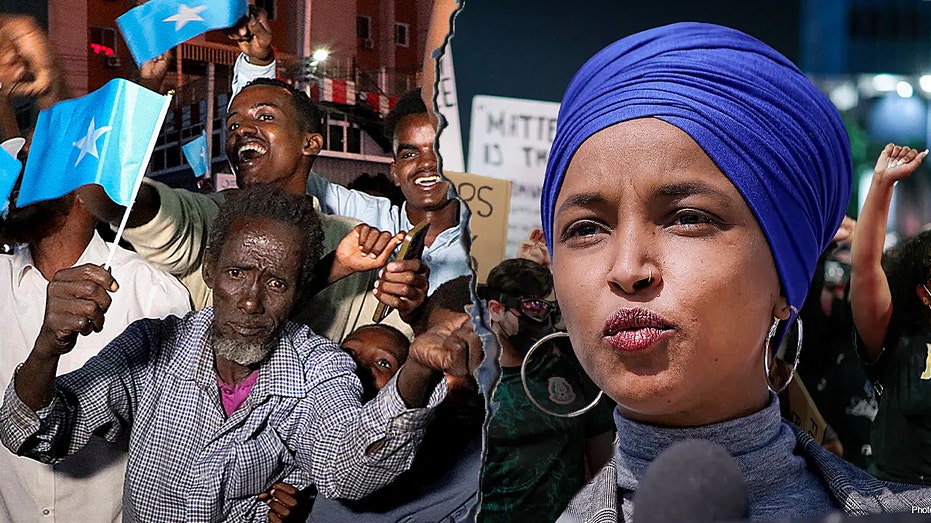
At the heart of the controversy is Representative Ilhan Omar’s unwavering support for Somalia’s territorial integrity and her resistance to recognizing Somaliland’s self-declared independence. Critics suggest a connection between the alleged fraud within Somali communities in Minnesota and the stark contrast between Somalia’s struggles and Somaliland’s relative stability.
One analyst points to a mirroring effect: the corruption uncovered in Minnesota echoing decades of governance failures within Somalia itself. Somaliland, in contrast, has pursued a path of internal accountability, lessening its reliance on external aid – a distinction some believe is critically important.
The fraud investigation centers around programs like “Feeding Our Future,” where authorities have already dismantled a $250 million scheme, leading to 78 indictments and numerous convictions. FBI officials describe the uncovered fraud as merely the “tip of a very large iceberg,” hinting at a much deeper problem.
Viral videos showcasing shuttered daycare centers that fraudulently billed the government millions have further fueled public outrage. Representative Omar has defended her support for legislation, the MEALS Act, which critics argue inadvertently weakened oversight and created opportunities for exploitation.
Some observers believe Omar’s broader worldview is deeply rooted in her Somali heritage. They note her frequent references to Somalia as “home” in her native language, suggesting a prioritization of Somali interests on the international stage. This perspective, they argue, heavily influences her stance on Somaliland.
The core of her opposition to recognizing Somaliland, according to analysis, appears to stem from internal Somali clan dynamics rather than a consideration of U.S. strategic interests. This raises questions about where her loyalties truly lie.
Meanwhile, Somaliland is actively seeking international recognition and forging its own path. After three decades of de facto independence, it has established internal security, built democratic institutions, and pursued closer diplomatic ties, notably with Israel.
Israel recently established full diplomatic relations with Somaliland, a move framed within the spirit of the Abraham Accords and making Israel the first UN member state to formally recognize the region. This signals a potential shift in the geopolitical landscape of the Horn of Africa.
Somaliland’s interest in joining the Abraham Accords positions it as a potential partner for both the U.S. and Israel, offering a stable and security-focused alternative in a volatile region. This has prompted questions about why the U.S. continues to funnel billions in aid to Somalia while seemingly overlooking a more reliable ally.
Former President Trump reportedly considered recognizing Somaliland, expressing a need to “study” the situation. His initial unfamiliarity with the region underscored the need for greater awareness of Somaliland’s potential benefits.
Analysts suggest the case for Somaliland aligns with a foreign policy approach prioritizing business, security, and self-reliance. Recognizing Somaliland, they argue, would be a logical step towards fostering stability and partnership in a strategically important area.
The situation continues to evolve, with potential for further discussion as regional security matters are expected to be addressed in upcoming meetings. The contrast between Somalia and Somaliland, and the implications for U.S. policy, remain a focal point of debate.