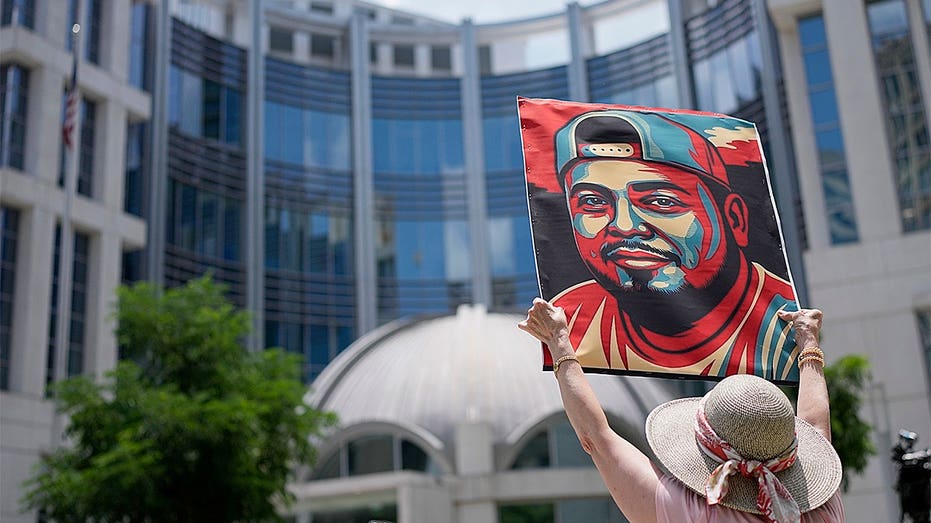
A federal judge has ordered the release of crucial documents, thrusting the case of Salvadoran migrant Kilmar Abrego Garcia into a new phase of intense scrutiny. The order compels the Justice Department to reveal internal records surrounding the decision to pursue criminal charges against Garcia while he was detained in El Salvador, setting the stage for a potentially explosive hearing next month in Nashville.
The judge’s directive, issued earlier this month and recently made public, demands all relevant documentation pertaining to the investigation and charges leveled against Garcia, stemming from a 2022 traffic stop. This development arrives amidst claims that, simultaneously, officials from a previous administration asserted their inability to return Garcia from Salvadoran custody to a separate federal court in Maryland.
While the order doesn’t yet force government witnesses to testify – including Deputy Attorney General Todd Blanche, a key figure in the defense’s allegations – it significantly strengthens the case presented by Garcia’s legal team. They contend Blanche spearheaded the prosecution, a claim his office vehemently denies.
At the heart of the dispute lies the assertion that the decision to prosecute Garcia was retaliatory, triggered by his success in a civil lawsuit filed in Maryland. The judge’s ruling acknowledges this central argument, noting evidence suggesting the prosecution wasn’t the act of a single individual, but potentially a coordinated effort with questionable motives.
Last October, the judge determined Garcia had demonstrated a “reasonable likelihood” of vindictive prosecution, shifting the burden of proof to the government. This prompted the demand for internal documents and potential witness testimony, requests initially met with resistance from the Justice Department, citing legal privileges.
The evidentiary hearing, scheduled for January 28th, promises a detailed examination of the government’s actions. The criminal trial date for Garcia has been temporarily removed from the calendar, likely a procedural step given the ongoing legal battles.
For nearly eleven months, Garcia’s case has been a focal point of legal and political debate. His arrest and subsequent deportation to El Salvador directly contradicted a 2019 order protecting him from removal, raising serious questions about due process and the handling of migrant cases.
This case continues to unfold, with the upcoming release of documents poised to reveal further details about the motivations and decision-making processes behind the prosecution of Kilmar Abrego Garcia.